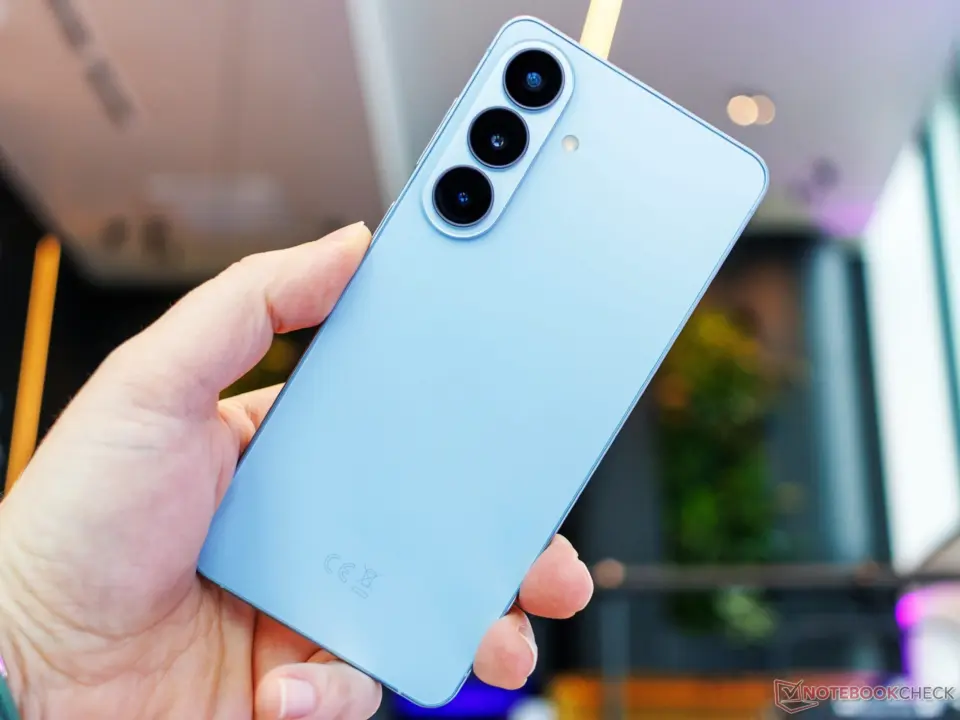
Samsung has not officially announced Galaxy S27 series but thanks to import-export records from nbd.ltd, there's some initial chipset information on the European versions. This is important for consumers to understand because it shows the different direction of chipsets being chosen for standard vs Pro versions. So that means certain performance expectations if you're coming from older devices.
Import records reveal mixed chipset strategy for European Galaxy S27 models
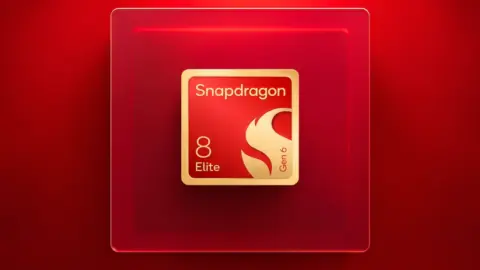
According to the records, both Galaxy S27 and Galaxy S27+ will have Samsung's next-gen Exynos 2700 chipset. However, Galaxy S27 Pro will come with Snapdragon 8 Elite Gen 6 (also known as SM8950). The high-end Galaxy S27 Ultra will have Snapdragon 8 Elite Extreme Gen 6 (SM8975).
Spec comparison
| Spec | Galaxy S27 | Galaxy S27+ | Galaxy S27 Pro | Galaxy S27 Ultra |
|---|---|---|---|---|
| Chipset | Exynos 2700 | Exynos 2700 | Snapdragon 8 Elite Gen 6 | Snapdragon 8 Elite Extreme Gen 6 |
| RAM | 12 GB | 12 GB | 12 GB | 12 GB |
| Storage | 256 GB | 256 GB | 256 GB | 256 GB |
| Display Size | 6.3 inches | 6.7 inches | 6.5 inches | 6.9 inches |
All of these four records from nbd.ltd show 12 GB RAM and 256 GB of storage. Display size also differs. For instance, Galaxy S27 will have a 6.3-inch screen while Galaxy S27+ has a 6.7-inch display.
Galaxy S27 Pro has a 6.5-inch display. Galaxy S27 Ultra's display is 6.9-inches.
Notice the Pro model will have a lower-tier chipset compared to the Ultra. This is similar to what Xiaomi did with its 18 series. We've been following the Galaxy S27 Pro and Ultra.
Earlier, there were reports on the privacy display features. These hardware leaks offer the first concrete details on the insides before Samsung officially makes them available.
Since Samsung hasn't even announced the Galaxy S27 series, everything is still in a preliminary stage. Take everything with a grain of salt before it gets official. Right now, only import-export data from nbd.ltd is the only information on specific chipset assignments and configuration.
Source: NotebookCheck

Discussion
0 comments