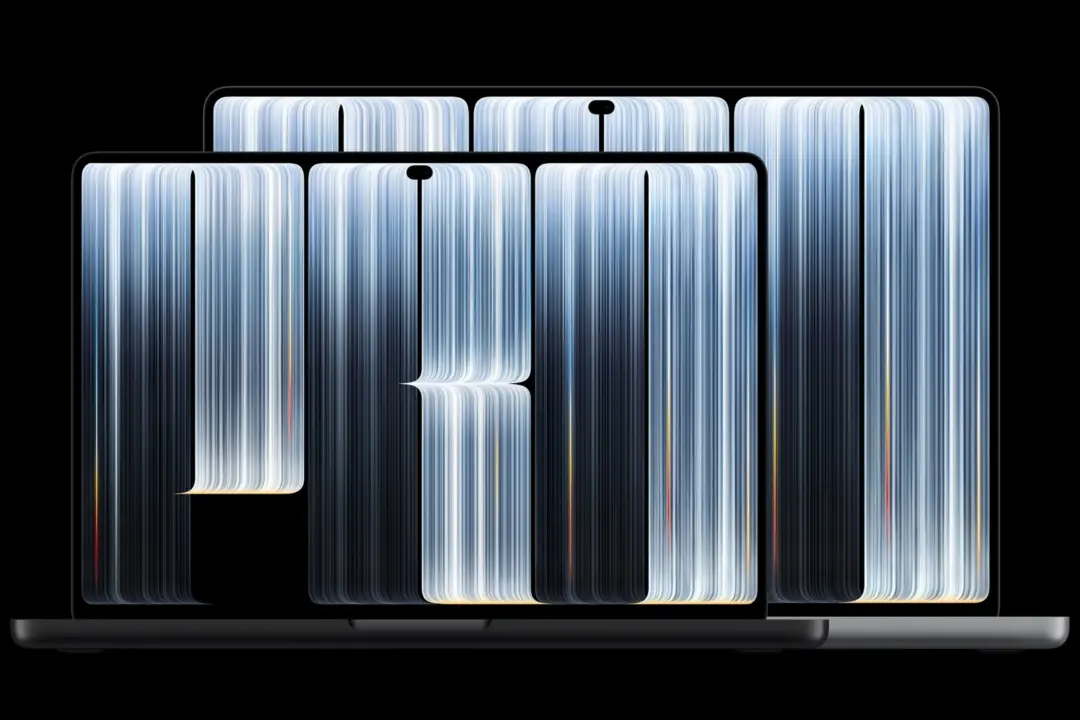
With Apple choosing to implement tandem OLED touchscreen display for the new MacBook Pro, it fundamentally changes the landscape of the premium laptop market. Consumers are going to see this as the norm for future displays that they're likely to experience. It changes the game because the expensive and limited supply of this type of technology sets a new standard for quality and cost of premium laptop displays.
Samsung Display supplies all panels for the new $2,899 MacBook Pro
The new 14-inch MacBook Pro has a 254-ppi PROLED XDR Display which is being used as a touchscreen for the first time ever for the MacBook Pro. Apple is using Samsung Display as the sole supplier of these OLED panels. Specifically, Samsung Display is producing these panels on their G8.6 A6 production line in Asan, South Korea.
Specifications
- Display Technology: Tandem OLED touchscreen (PROLED XDR Display)
- Display Resolution: 254-ppi
- Starting Price (14-inch): $2,899
- OLED Panel Supplier: Samsung Display
- Production Line: Samsung G8.6 A6 production line in Asan, South Korea
It's important to note that this new display technology is expensive. For example, the 14-inch model is priced at $2,899. This means that consumers who want to have traditional displays can still buy Mini-LED MacBook Pros which offer a more affordable alternative to the new OLED model.
TrendForce, an industry analysis firm, expects global OLED notebook shipments to increase more than 40 percent YoY for 2027. This will happen even though it's expected that the overall notebook market will be down for the 2nd year in a row, mainly due to Apple entering the OLED laptop market.
Although right now the adoption of OLED displays is being done with the MacBook Pro, there are other display companies that are getting ready for future Apple products. Companies like LG Display, BOE and TCL CSOT are all working to qualify their displays for the OLED MacBook Air. TrendForce estimates that will happen in 2029.
The new MacBook Pro with tandem OLED display is a signal that there's a significant change coming to laptop displays that will impact the market. Samsung Display is currently the only provider for this specific model. Other companies are preparing for future models like the MacBook Air.
Source: NotebookCheck

I am trying to decide if the 254 ppi resolution is sharp enough for text editing on a 14 inch screen or if it feels pixelated compared to standard Retina displays. Does anyone with a current MacBook Pro notice a difference when switching to this OLED touch interface for daily tasks?
The pixel density matches your current Retina MacBook Pro exactly so there is no drop in sharpness. The real change is how the driver handles touch events on the main display input stream which some users find distracting until they adjust their pointer speed settings.