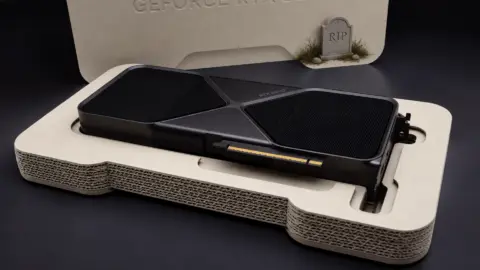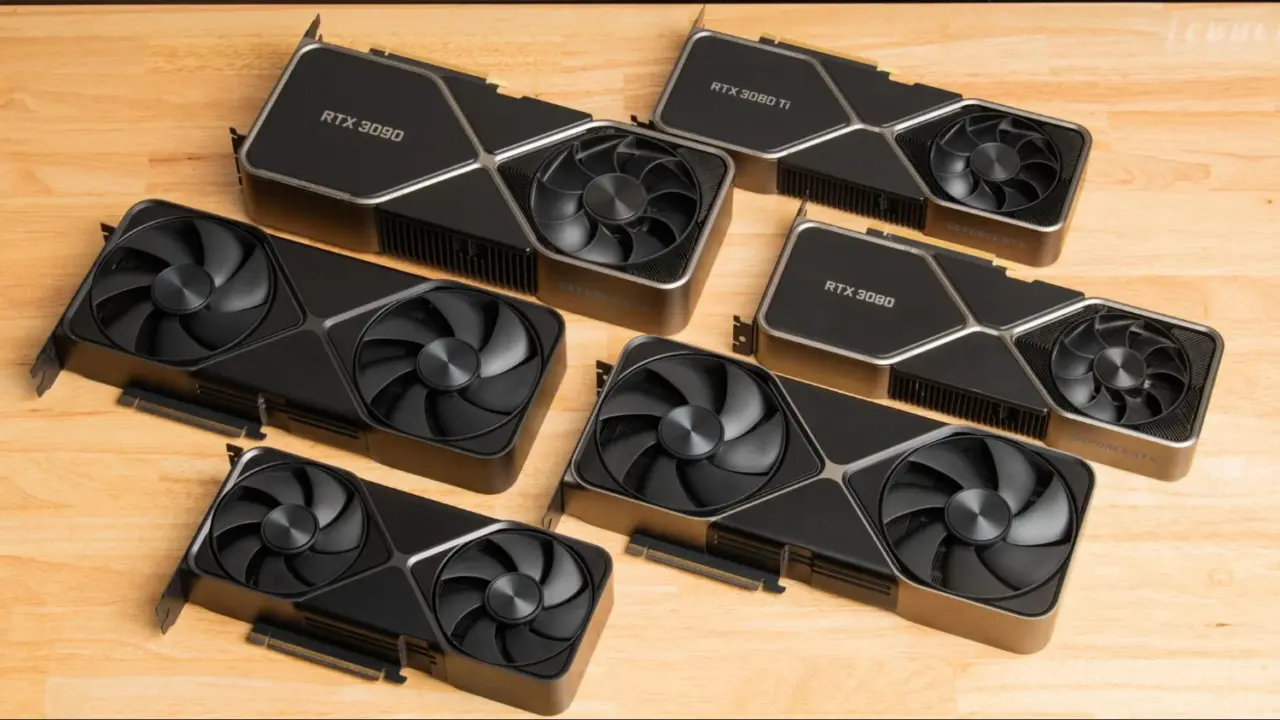
PC gamers are facing a steep reality check as graphics card prices surge well beyond their official launch costs. This market shift means builders must budget significantly more for standard components, fundamentally altering the cost of entry for high-end gaming rigs. The average price premium across the market now sits at 28 percent above manufacturer suggested retail price, a gap that directly impacts consumer wallets.
AI companies diverting GDDR7 memory supply drives steep price increases
NVIDIA leads this price escalation with its GeForce RTX 50 Series, where the flagship RTX 5090 commands a staggering 145 percent premium in the US market. The cheapest RTX 5090 model found in the US reaches approximately $4,900, compared to its $1,999 launch MSRP. This extreme markup highlights the severity of the supply constraints affecting the high-end segment specifically.
- Average GPU Price Premium: 28% above MSRP
- RTX 5090 US Price Premium: 145% above MSRP
- RTX 5090 Global Price Premium: 136% above MSRP
- RTX 5090 MSRP: $1,999
- RTX 5090 US Market Price: $4,900
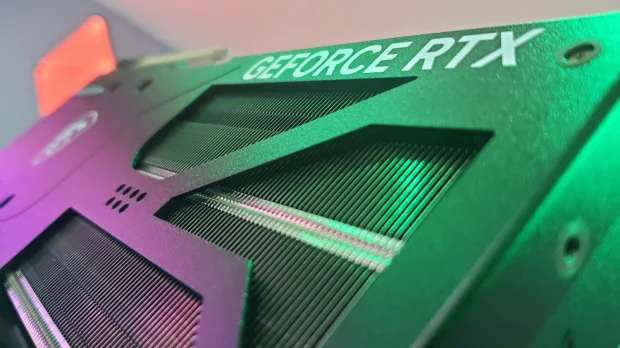
The primary driver behind these hikes is the diversion of GDDR7 memory supply toward AI-specific graphics cards purchased by artificial intelligence companies. This industrial demand has squeezed the availability of memory components for consumer-grade hardware across all major vendors. NVIDIA reported a 19 percent monthly price increase between July and August 2026, while AMD saw an 11 percent rise during the same period.
Mid-range options are not immune to these pressures, with the RTX 5060 Ti 16GB selling for $730, which is 70 percent above its $429 MSRP. The RTX 5080 also carries a 55 percent premium, priced at $1,550 against its $999 list price. AMD’s Radeon RX 9060 XT 16GB follows a similar trend, trading at $460 for a 28 percent global premium over its $349 MSRP.
Intel’s Arc B Series faces comparable inflation, with the Arc B580 priced at $310, representing a 25 percent increase over its $249 MSRP. Lower-tier NVIDIA cards like the RTX 5050 and RTX 5060 show smaller but still notable premiums, sitting at $300 and $450 respectively. These figures illustrate that price inflation is widespread across the entire product stack, from budget to enthusiast levels.
We've been tracking GeForce RTX 50 Series / Radeon RX 9000 Series / Arc B Series closely — see our earlier coverage on Mortal Shell 2 PC Performance. This context underscores how hardware costs are rising just as software demands for high-end GPUs also intensify. Buyers should expect these elevated prices to persist as long as AI infrastructure continues to compete for key memory resources.
Confirmed data from TechSpot and TweakTown shows that GPU prices are consistently trading above launch MSRP across multiple regions. The market reality is that consumers must pay a significant premium for new hardware, with the RTX 5090 leading the charge at nearly 2.5 times its original price. This trend defines the current PC hardware landscape for late 2026.
Source: TweakTown