2026 has become the year for 3:2 aspect ratio retro handhelds, giving players a focused way to play Game Boy Advance titles on modern hardware. This market shift matters because it offers a dedicated form factor for retro gaming enthusiasts who prioritize screen shape over general smartphone performance. Buyers can now choose from a wide range of devices that target specific emulation needs without paying for unnecessary features.
Linux and Android models offer distinct emulation tiers for GBA fans
These handhelds split into two main camps: Linux-based units and Android-based units. Linux devices rely on older chips like the Rockchip RK3326 or the Allwinner H700, while Android models use a variety of MediaTek and Snapdragon processors. The hardware choices directly dictate which games each device can run smoothly.
- Linux CPU Options: Rockchip RK3326, Allwinner H700
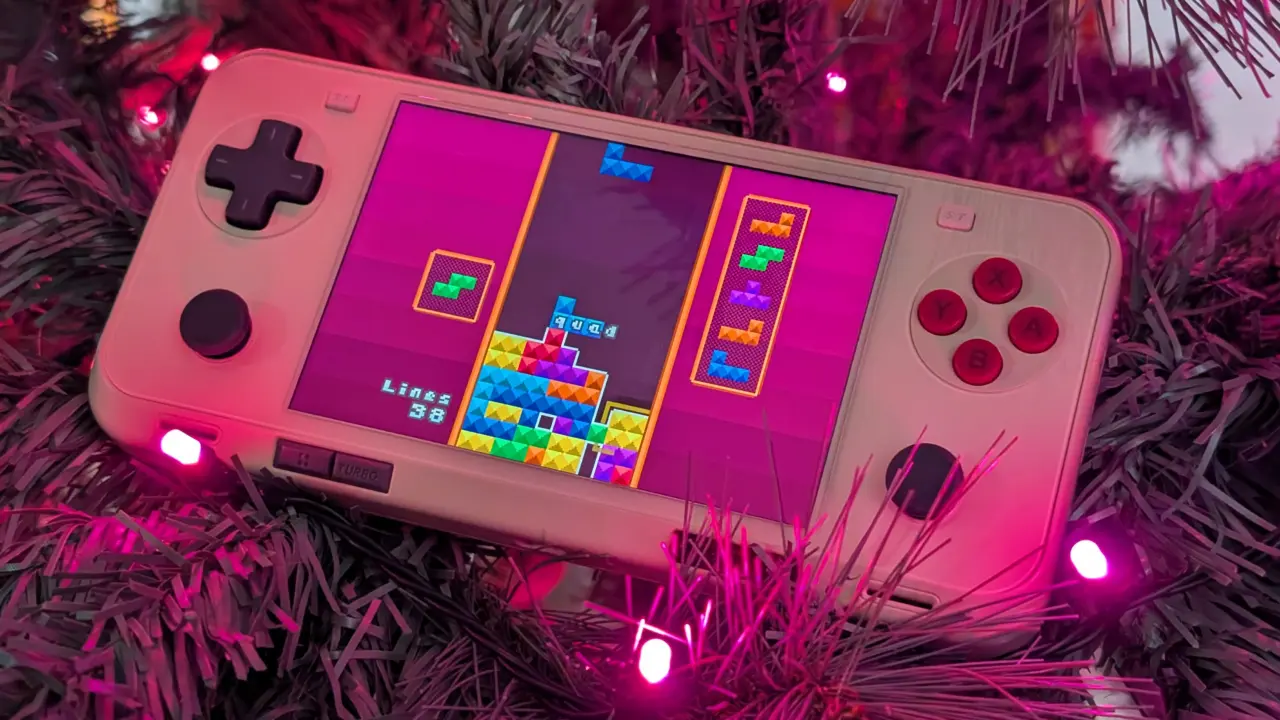
- Linux Screen Options: 3.5 inch 480×320, 3.4 inch 720×480
- Small Screen Android CPU Options: MediaTek Helio G85, Helio G99, Helio G90T, Snapdragon 865
- Small Screen Android Display: 3.5 inch 960×640 IPS
- Big Screen Android CPU Options: Helio G99, Unisoc D7400, MediaTek Dimensity G3X Gen 2
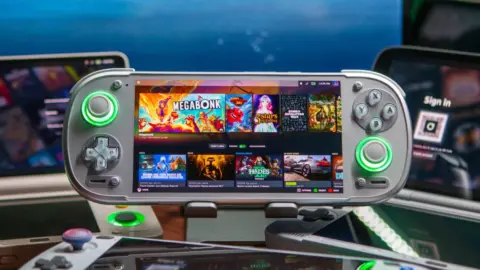
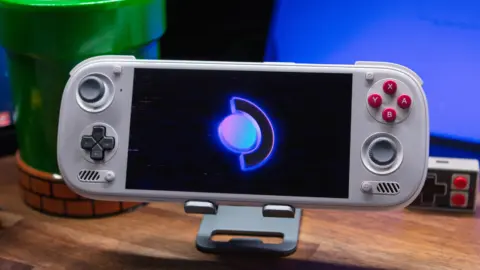
Screen sizes and resolutions vary significantly across these categories. Linux handhelds typically feature 3.5-inch displays with 480×320 or 720×480 resolutions. Android devices come in two sizes: small 3.5-inch panels with 960×640 resolution and larger 4.5 to 4.88-inch screens with 1620×1080 resolution. This hardware diversity allows users to pick a device that matches their preference for portability versus screen real estate.
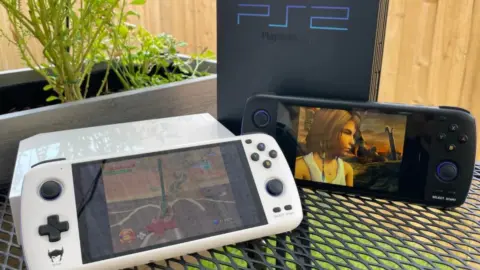
Performance capabilities scale from basic retro emulation to more demanding systems. Devices with the RK3326 chip handle lower-end Dreamcast, N64, and PSP games. The Allwinner H700 offers slightly better GBA scaling. Android devices with Snapdragon 865 or MediaTek G3X Gen 2 chips can tackle PS2 and GameCube emulation. This performance gap means budget buyers should stick to Linux or entry-level Android, while power users need the higher-end Snapdragon or G3X models.
Prices range from under $40 for basic Linux units to over $600 for top-tier Android devices. The Anbernic RG351P starts at around $38.78, while the high-end AYANEO Pocket ACE costs around $620. Most mid-range Android devices fall between $85 and $150. These prices reflect the hardware tier, with Linux units being the most affordable option for casual retro gamers.
The market includes both available units and upcoming releases. The AYANEO Pocket Micro 2 is an upcoming device featuring a Snapdragon 865 chip. Some high-performance models like the Pocket ACE are officially sold out, with used units starting at $350. This availability situation suggests high demand for the most powerful retro handhelds.
We have been tracking Retro Handhelds closely — see our earlier coverage on GammaOS Nano Brings PS3-Style XMB Interface. This ongoing coverage highlights the rapid evolution of the retro handheld market in 2026. The current lineup offers clear choices based on budget and performance needs.
Source: RetroHandhelds