GAMES Blood of Dawnwalker Xanthe Lantern Puzzle Solution GAMES Ikea Kallax Shelf Teased for Skyrim Merch Drop in UK and Ireland NINTENDO SWITCH 2 Maneater 2 Announced for 2027 Launch on Switch 2, PS5, and PC CONSOLES Square Enix TGS 2026 Lineup Features Dragon Quest VII and Kingdom Hearts IV PLAYSTATION 5 Konami Rhapsody in Scarlet Announced for PS5, Xbox Series, and PC GAMES Naughty Dog Confirms The Last of Us Franchise Is Not Done AMD NBA 2K27 DLSS 5 Benchmarks Show 60% Performance Hit on RTX 5090 GAMES FromSoftware Avoids Fixed Game Formula, Miyazaki Says Fresh Ideas Rule ACCESSORIES Sony GTA 6 DualSense Controllers Launch November 19 for $85 CONSOLES Final Fantasy Resonance Brings HD-2D to PS5, Xbox, Switch 2, PC NINTENDO SWITCH 2 Maneater 2 Announced for PS5, Xbox Series, Switch 2, and PC GAMES Arma Reforger Update 1.080.013 Fixes Crashes and Visual Glitches PLAYSTATION 5 GTA 6 Netflix Deep Dive Drives 33% PS5 and 34% Xbox Sales in UK PLAYSTATION 5 Konami’s Rev. NOiR RPG Confirmed for PlayStation 5 in 2027

LilyGo T-Deck Max Review: $110 E-Ink Smartphone with LoRa and GPS

Owen Carter 1 min read

Discover the LilyGo T-Deck Max, a $110 e-ink smartphone featuring an ESP32-S3 board, LoRa connectivity, GPS, and optional 4G. Ideal for developers and tinkerers.

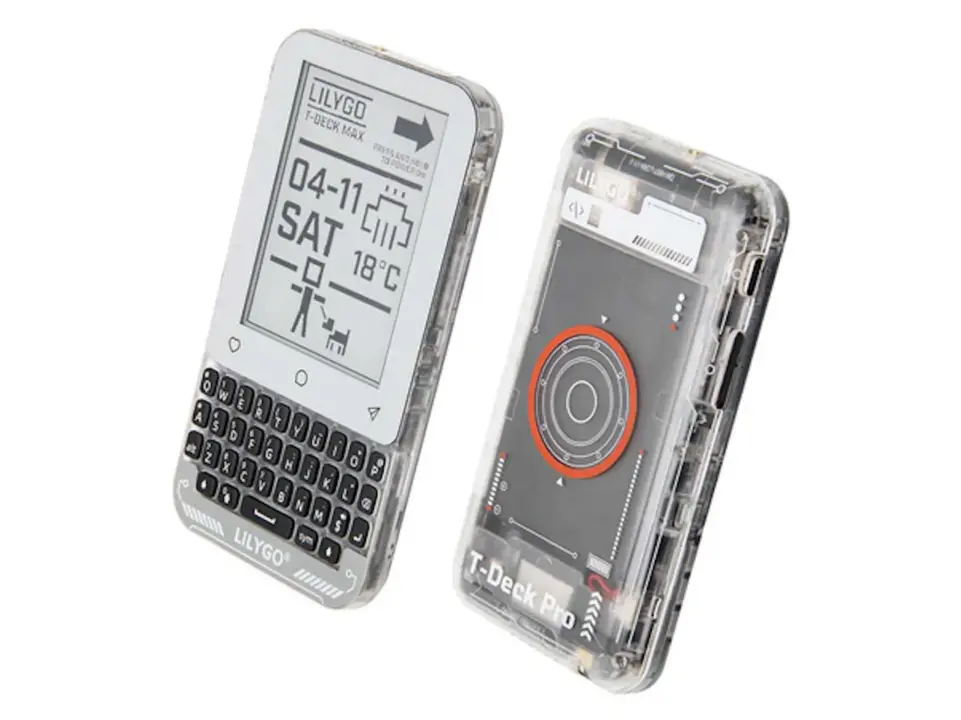
LilyGo has introduced the T-Deck Max, a mobile device that combines e-ink display technology with cellular connectivity options. The manufacturer lists the product at 110 USD (about $110).

Affordable e-ink smartphone features ESP32-S3, LoRa, and optional 4G for tinkerers

The hardware centers on an ESP32-S3 main board and features a 3.1-inch e-ink panel with a resolution of 320 x 240 pixels. It includes a built-in keyboard, microphone, speaker, and a microSD card slot for storage expansion.

Connectivity options prioritize LoRa for independent data transmission alongside an included GPS module. A 4G connection is available as an optional add-on to the core hardware configuration.

The device does not run Android and appears aimed at tinkerers rather than general consumers. Users can program the system using Arduino or PlatformIO IDE environments instead of standard mobile operating systems.

Source: T-Deck Max, NotebookCheck