Lenovo is shifting its supply chain strategy by integrating Chinese-made YMTC SSDs into its global laptop lineup, a move driven by the scarcity and rising costs of NAND Flash from traditional suppliers like Samsung and Western Digital. This change matters to buyers because it signals that domestic Chinese storage components are now entering the mainstream global market, potentially altering the competitive landscape for PC hardware. We are seeing a tangible shift in how major OEMs source critical components under pressure from market volatility.
YMTC drive speeds fall below productivity laptop averages
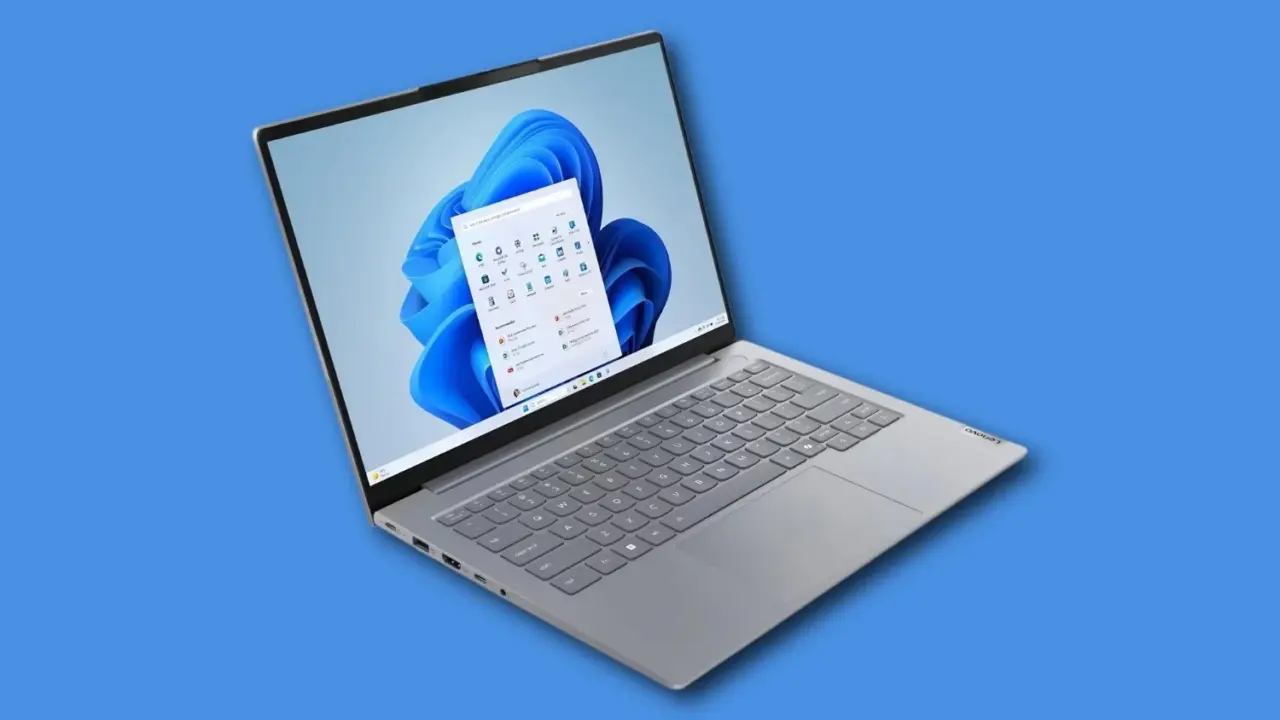
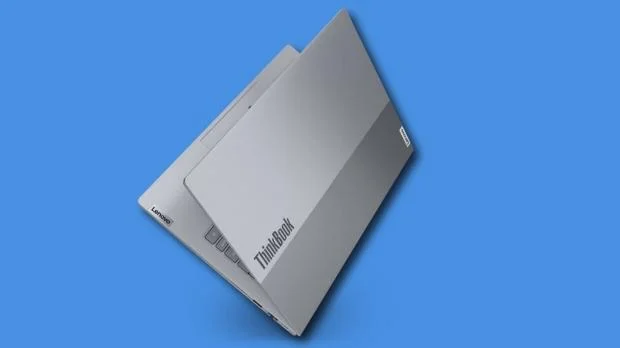
The specific device at the center of this sourcing update is the Lenovo ThinkBook 14 G9 IPL. Lenovo has confirmed that it is now shipping laptops equipped with YMTC storage on a global scale. This represents a significant step for YMTC, as Lenovo stands as the largest PC OEM by volume, giving these drives access to a much wider audience than previously seen.
Specifications
- SSD Model: YMTC 512GB M.2 PCIe 4.0 (2242 form factor)
- Read Speed: 3,950 MB/s
- Write Speed: 2,514 MB/s
Inside the ThinkBook 14 G9 IPL, the storage configuration consists of a 512GB M.2 PCIe 4.0 SSD in the 2242 form factor. Performance testing reveals read and write speeds of 3,950 MB/s and 2,514 MB/s, respectively. These figures define the baseline performance expectations for this specific hardware configuration.
Independent testing by Notebook Check indicates that these read and write speeds fall below the average for SSD storage in productivity or office laptops. This performance gap suggests that while the supply chain shift is significant, the user experience regarding storage speed may be noticeably slower compared to higher-end alternatives. Buyers prioritizing maximum throughput should be aware of this potential bottleneck.
This transition positions YMTC to reach the wider global market at scale in 2026. The integration of these drives into Lenovo's global inventory marks a concrete step toward normalizing Chinese-made storage in international consumer electronics. We can expect this sourcing model to influence other OEM strategies as NAND Flash market conditions continue to evolve.
Source: TweakTown