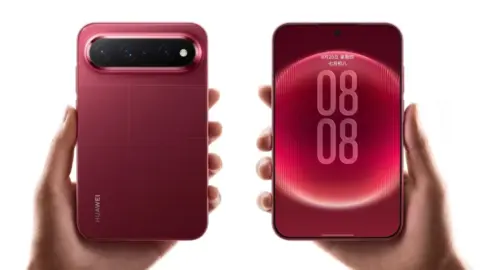
Huawei and Apple expanded their share of China’s smartphone market in the second quarter of 2026, bucking a broader industry downturn. This growth matters because it shows that premium brands can thrive even when component costs rise and overall demand softens. Buyers in the region now face a tighter field of high-end options as smaller manufacturers retreat from volume competition.
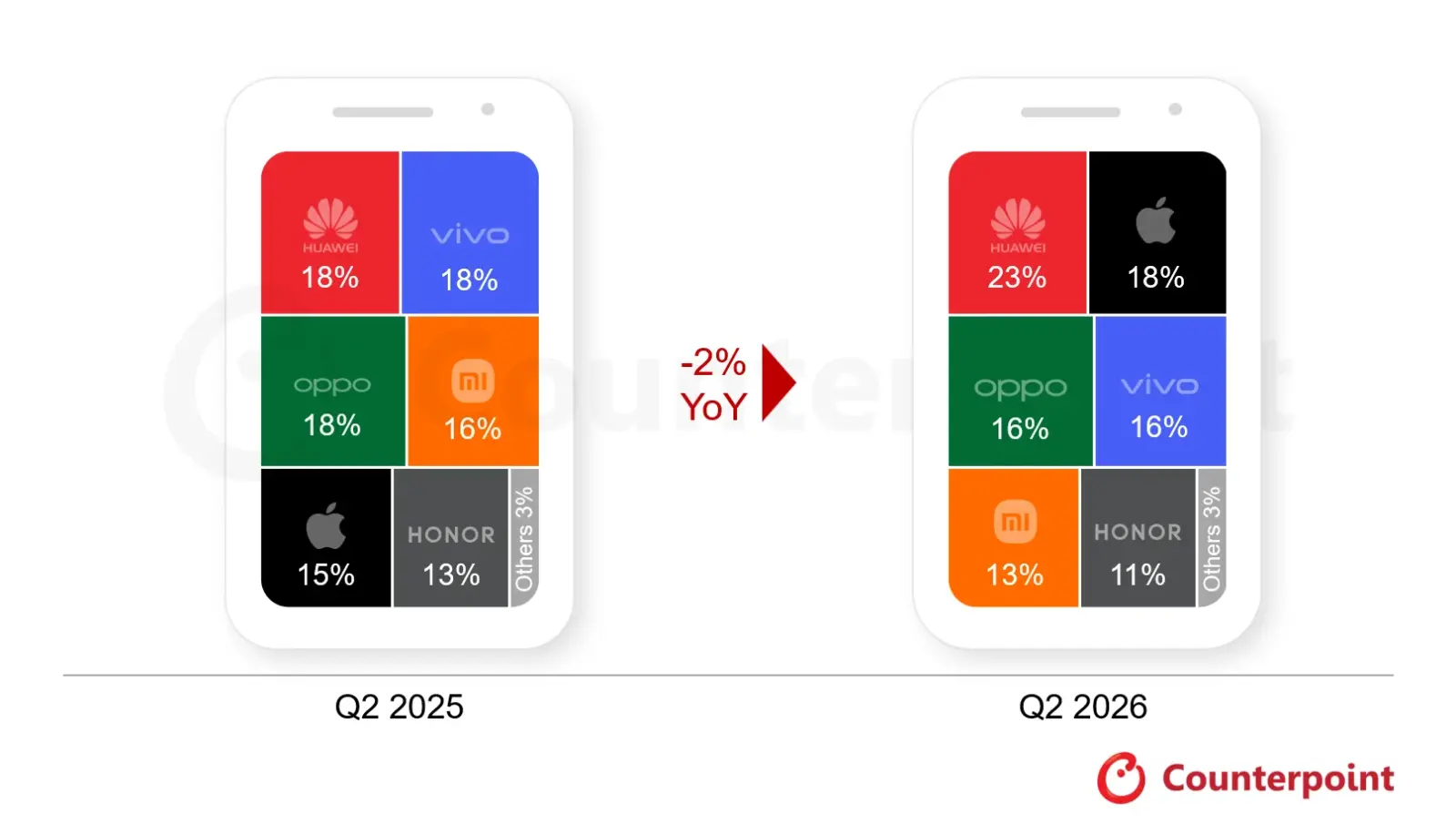
Huawei and Apple expand share while competitors scale back production
Counterpoint Research reported that Huawei captured 23 percent of the Chinese market during this period. The company achieved this lead while growing its shipment volume by 24 percent compared to the same quarter last year. Apple matched Huawei’s growth rate with a 23 percent year-over-year increase in Chinese shipments.
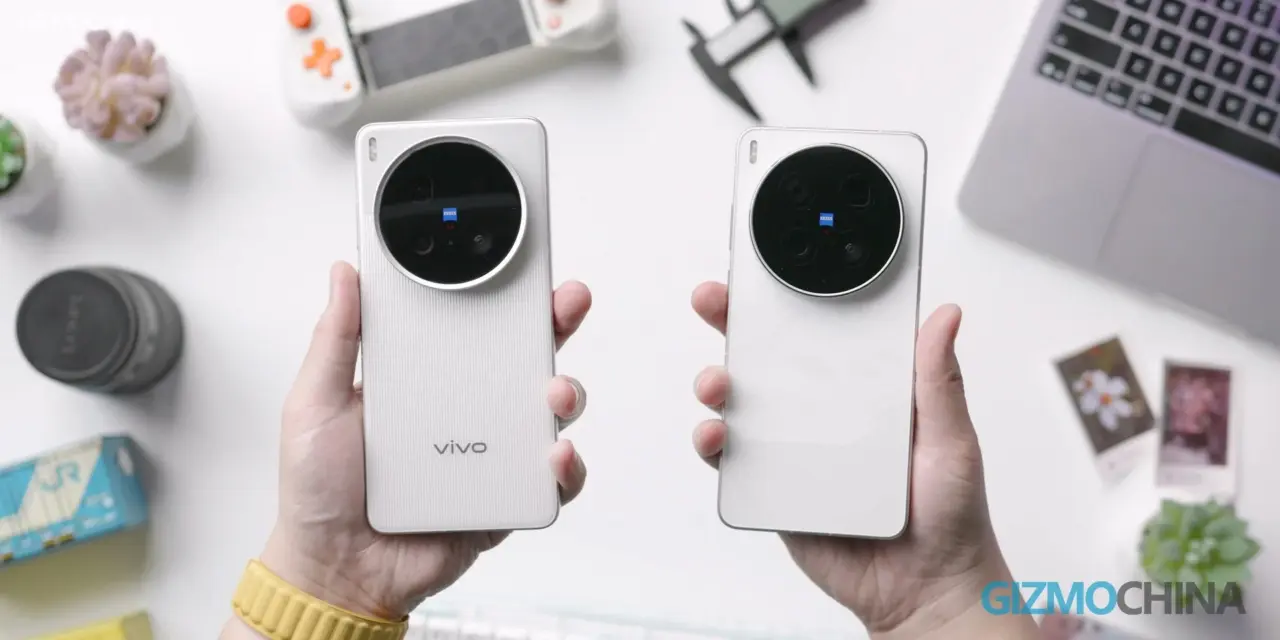
The wider market contracted by 2 percent year-over-year as manufacturers struggled with rising memory and storage prices. High component costs forced original equipment manufacturers to prioritize profit margins over market share expansion. Chinese Android vendors including Oppo, Vivo, and Xiaomi responded by scaling back their low-end production lines.
India’s smartphone sector faced steeper challenges with a 10 percent drop in shipments during the same quarter. Average selling prices in India jumped 15 percent as vendors passed inflation costs to consumers. We looked at Smartphone closely — see our earlier coverage on Samsung Tops US Smartphone Satisfaction Rankings,.
Huawei and Apple demonstrated that brand loyalty and premium positioning can offset market-wide declines. Their ability to grow shipments while competitors cut production highlights a shift toward higher-margin strategies in the region.
Source: GIZMOCHINA