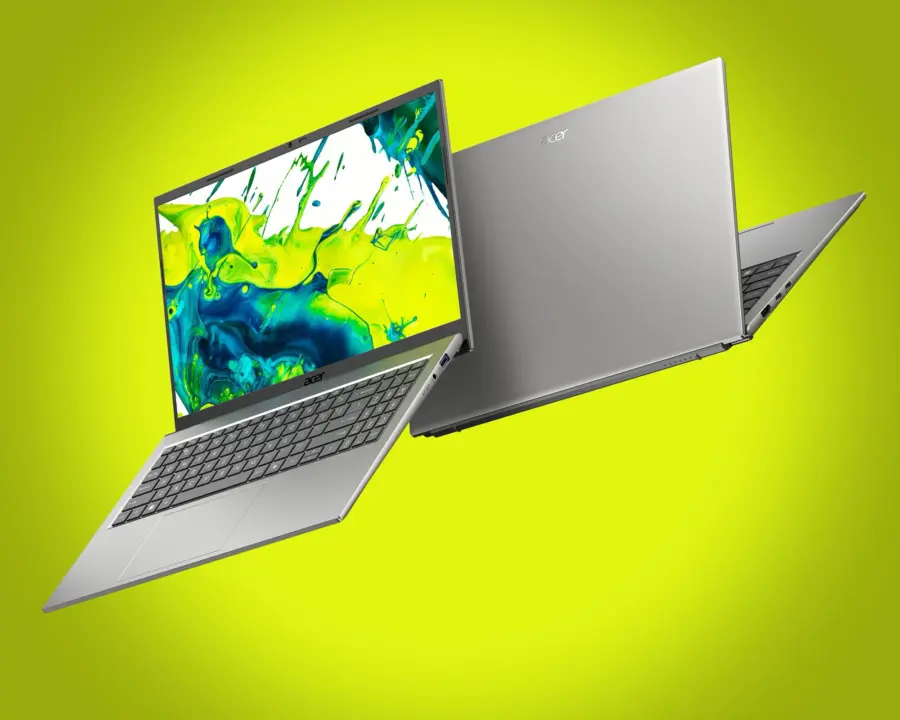
Acer has introduced the Aspire Go 15, marking a notable shift in the budget laptop market by adopting Qualcomm's Snapdragon C platform. The release highlights a shift toward affordable laptops using Qualcomm Snapdragon C processors to compete with Intel and AMD in the budget market.
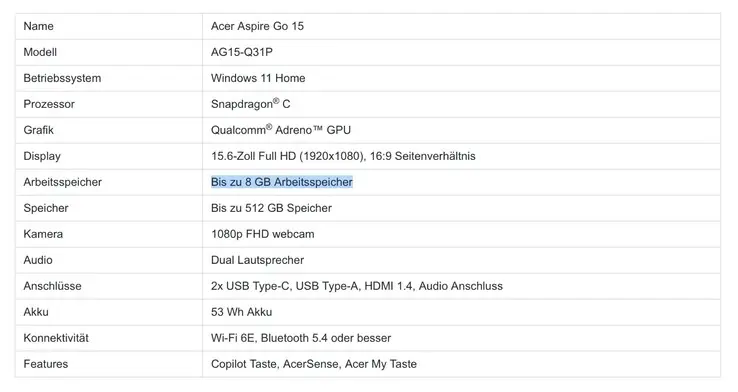
Qualcomm Snapdragon C processor enables affordable Windows devices with up to 8 GB RAM and 512 GB SSD storage options.
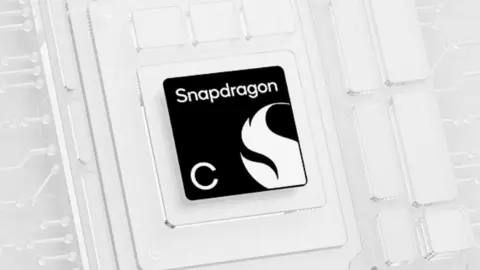
The Aspire Go 15 is built around the Qualcomm Snapdragon C processor, designed specifically for affordable Windows devices. The Aspire Go 15 uses Qualcomm Snapdragon C hardware instead of traditional x86 processors to provide efficient performance for everyday tasks.
Key specifications include support for up to 8 GB of RAM and storage options reaching 512 GB SSD capacity. These configurations aim to balance performance with cost constraints, particularly as the ongoing DRAM crisis forces manufacturers to reconsider memory allocations in budget devices.
Secondary details highlight compatibility with Windows 11, which officially supports systems equipped with as little as 4 GB of RAM and 64 GB of storage. Windows 11 supports devices with as little as 4 GB of RAM and 64 GB of storage, allowing Acer to configure the laptop for basic usage needs.
Pricing information has not been disclosed at this time, leaving availability timelines uncertain. Industry analysts suggest that the Snapdragon C platform could enable starting prices around $300, though final retail figures depend on component sourcing and regional market conditions.
Previous budget Windows laptops were limited by older hardware, but new designs aim to improve user experience within strict cost constraints. The Acer Aspire Go 15 uses the Snapdragon C platform to provide a cost-effective option with up to 8 GB of RAM and 512 GB of storage.
Source attribution indicates that Acer has hinted at broader cost-cutting measures across its product line in response to supply chain pressures. Manufacturers are adjusting memory configurations in response to market pressures, as indicated by the DRAM crisis affecting component pricing.
Source: NotebookCheck