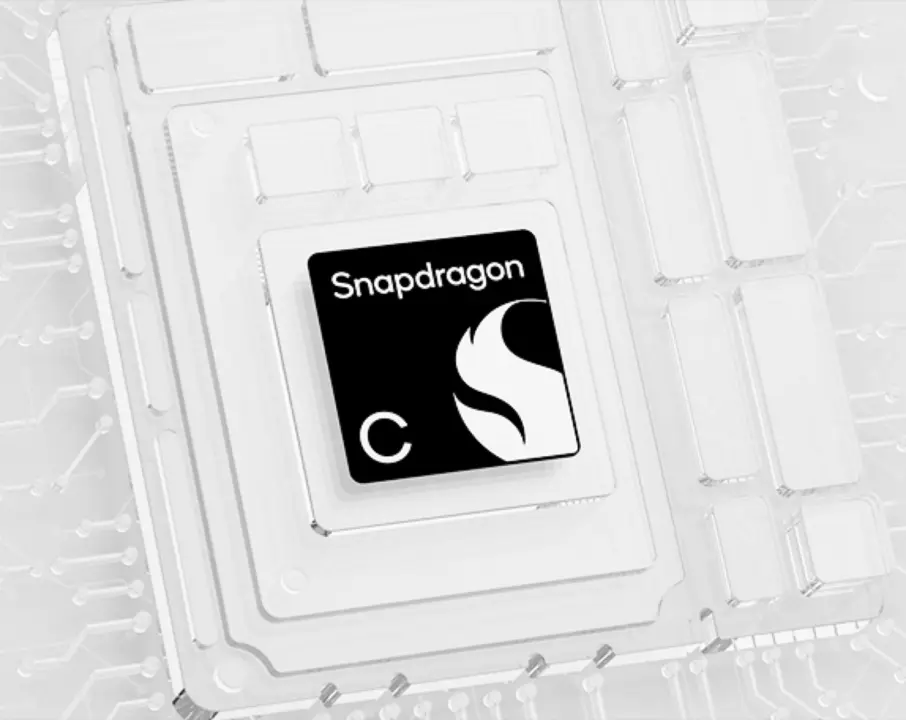
Qualcomm has introduced the Snapdragon C platform, a new ARM-based processor designed to power entry-level Windows laptops. The chip targets budget-conscious consumers, including students and families, aiming to deliver reliable performance for everyday computing tasks. This announcement marks Qualcomm's push into the affordable laptop segment with its own silicon.
New ARM processor aims to power affordable devices for students and families
The Snapdragon C is an ARM architecture processor that replaces traditional x86 CPUs in these new devices. It integrates a dedicated AI accelerator designed to handle machine learning tasks efficiently. The platform supports Windows on ARM, allowing compatibility with existing software ecosystems while offering improved power efficiency compared to older architectures.
Initial configurations feature 8 GB of RAM and a 512 GB SSD storage drive. These specifications are intended to provide sufficient multitasking capability and storage for standard office applications and media consumption. The inclusion of an AI accelerator suggests potential enhancements in voice processing and background task management, though specific performance metrics remain undisclosed.
Qualcomm has indicated that the starting price for devices equipped with this chip will be around 300 USD. However, actual retail prices may exceed this figure due to current DRAM market conditions and rising memory costs. The company notes that laptops with higher RAM configurations could see significantly steeper pricing increases.
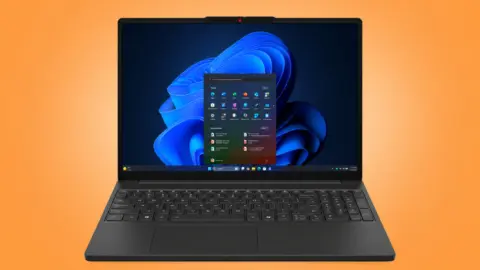
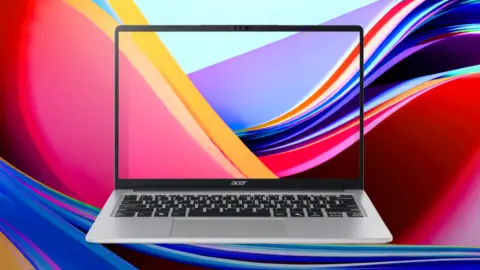
The first Windows laptops powered by the Snapdragon C are expected to debut at Computex next week. Acer has confirmed that its Aspire Go 15 model will be among the initial devices available, featuring the specified 8 GB RAM and 512 GB SSD configuration. This launch strategy aims to establish a foothold in the budget laptop market with tangible hardware examples.
Uncertainty surrounds the chip's ability to support Microsoft Copilot+ features due to a lack of disclosed NPU performance data. Without concrete benchmarks for the AI accelerator, it remains unclear whether the platform meets the requirements for advanced Windows AI capabilities. This ambiguity leaves questions about the device's suitability for users relying on cloud-based productivity tools.
Source: Qualcomm, NotebookCheck