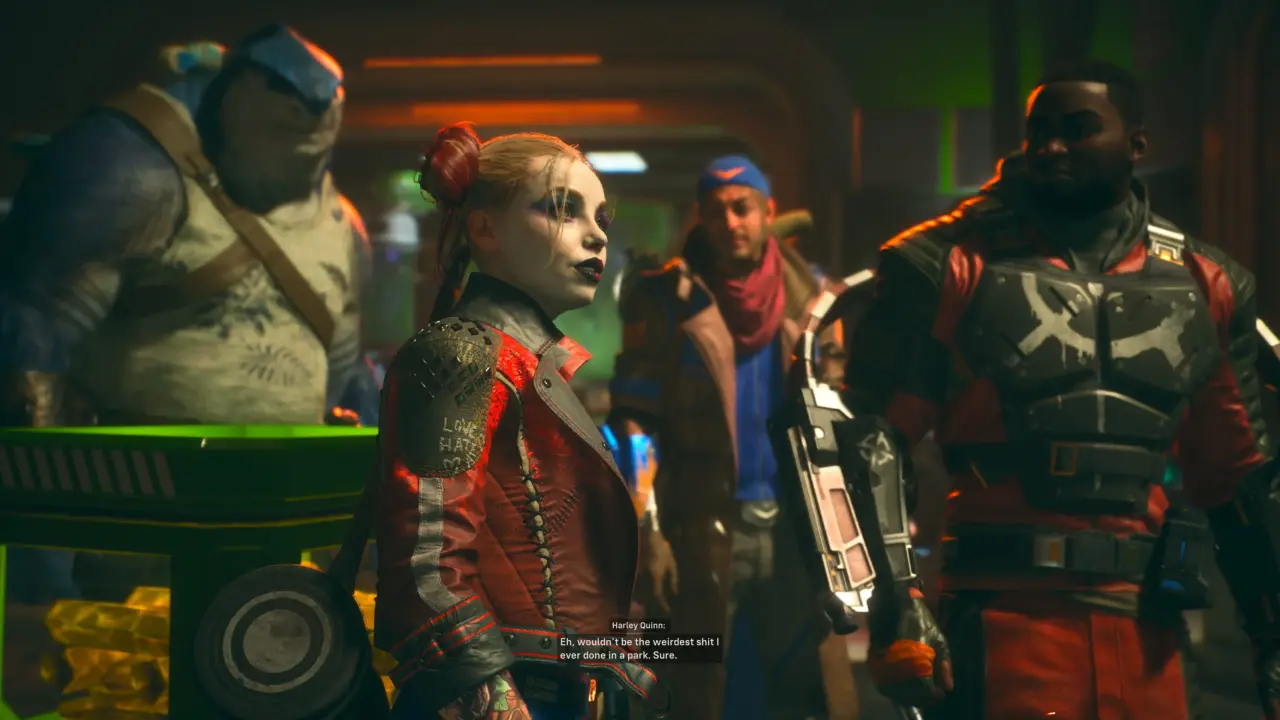
The development of Suicide Squad: Kill the Justice League left its director feeling disconnected from the creative process, according to former Rocksteady Studios director Axel Rydby. Rydby stated that corporate mandates from Warner Bros. shifted the focus away from traditional game design toward aggressive monetization strategies. This commentary highlights the tension between artistic intent and the financial pressures of modern live-service models. Gamers interested in the behind-the-scenes dynamics of major studio productions should note how executive decisions can alter a project's core identity.
Former Rocksteady director Axel Rydby cites corporate mandates for leaving the studio
Rydby, who served as the director for the title, described his experience at Rocksteady as increasingly bureaucratic during the final stages of development. He attributed this shift to pressure from Warner Bros. executives who prioritized profit and investment recoupment over creative vision. The studio reportedly pushed for a live-service structure to ensure long-term revenue streams, a direction that conflicted with Rydby's design philosophy. This internal conflict ultimately led to his departure from the studio after the game's release.
"That’s when I started feeling like I wasn’t making games anymore,” Rydby shared. “I was following a spreadsheet, some elusive marketing-analysis spreadsheet that no one could present clearly. I kind of felt like this isn’t the gaming industry I wanted to work in.” These remarks underscore the specific nature of the creative friction, citing a lack of clarity in marketing analysis as a primary driver of his dissatisfaction. The direct quote provides a clear window into the operational challenges faced by the development team under corporate guidance.
Following his exit from Rocksteady, Rydby joined former colleague Johnny Armstrong to launch a Kickstarter campaign for an independent project titled Secret of Circadia. This move signals a return to smaller-scale, creator-driven development after his tenure on a major AAA title. Meanwhile, Rocksteady is reportedly developing a new single-player Batman game and hiring staff for another live-service project. These ongoing efforts suggest the studio continues to balance its portfolio between narrative-driven experiences and service-oriented games.
Rydby's departure and subsequent indie venture mark a clear break from the corporate structure of Rocksteady Studios. The studio's current focus on a new Batman title and a new live-service game indicates a continued commitment to both single-player and recurring-revenue models. Rydby's comments provide context for the creative direction of Suicide Squad and the broader industry trends influencing AAA development. The situation illustrates the ongoing challenges developers face when aligning creative goals with corporate financial objectives.
Source: VideoGameChronicles