Memory costs are climbing again, and buyers planning new PC builds or upgrades will feel the pinch immediately. Samsung is negotiating a DRAM price increase of up to 20% for the third quarter of 2026. This latest hike follows massive jumps in the first half of the year, meaning hardware budgets must stretch further than expected. Consumers should expect higher prices for laptops, desktops, and smartphones using standard RAM modules.
Memory costs climb as AI demand diverts production capacity
The price adjustments target standard dynamic random-access memory (DRAM) chips used across consumer electronics. Samsung leads these negotiations, with SK Hynix also participating in the industry-wide increase. The supply shortage stems from high-bandwidth memory (HBM) demand for AI data centers, which diverts production capacity away from standard DRAM. This structural shift limits the availability of memory for general computing devices.
- Q3 2026 DRAM Price Increase: up to 20%
- Q1 2026 DRAM Price Increase: over 90%
- Q2 2026 DRAM Price Increase: 50%
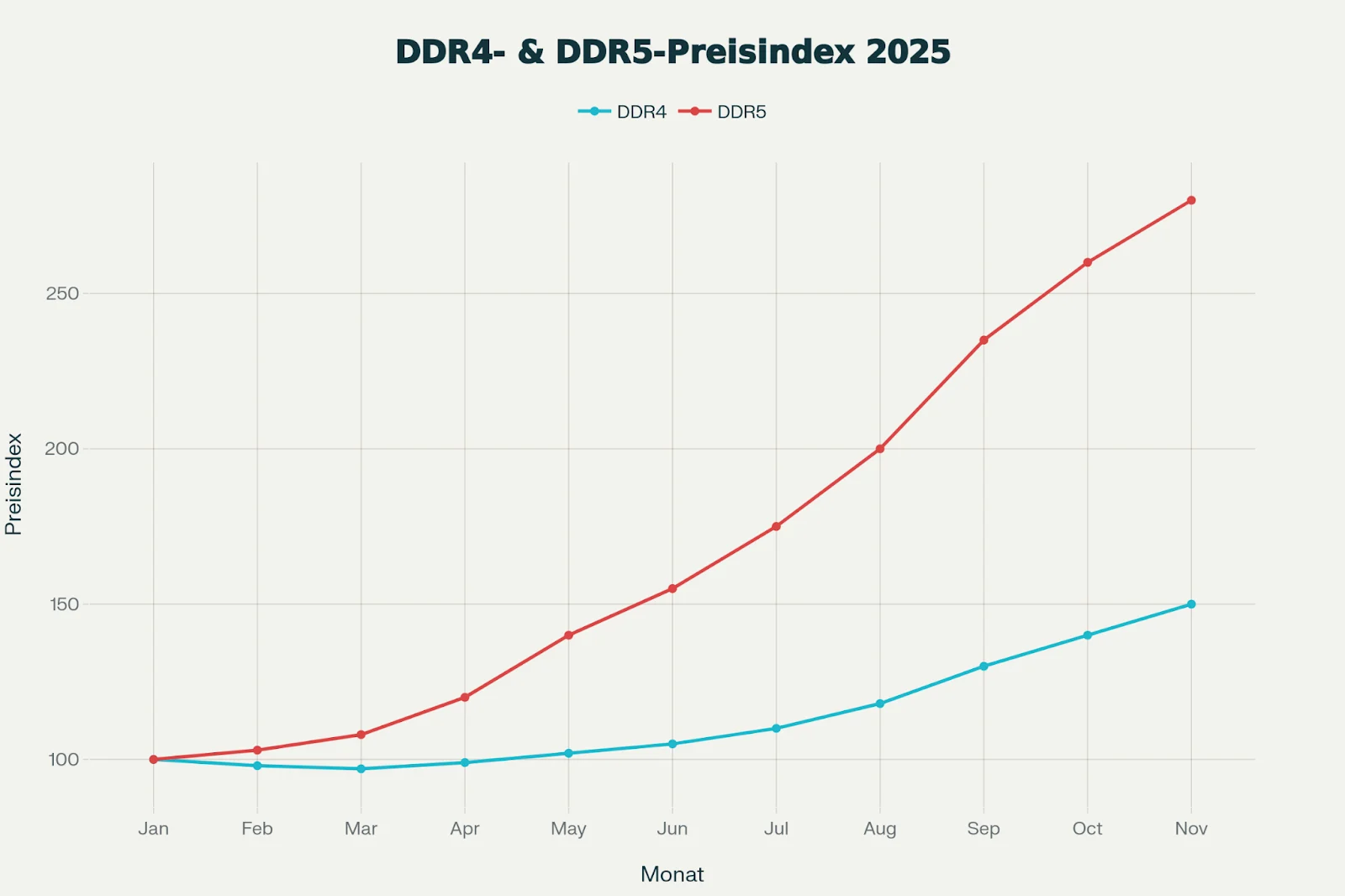
The pricing trajectory shows a steep upward curve over the past two quarters. Samsung secured a DRAM price increase of over 90% in the first quarter of 2026. A further 50% increase followed in the second quarter. The upcoming third-quarter hike of up to 20% adds to this cumulative cost burden. These figures reflect supplier strategies to recover margins amid tight supply.
Lenovo has warned that elevated memory prices may persist for several years, possibly until 2030. This prediction suggests that pre-2025 price levels are unlikely to return in the near term. Apple has already passed similar chip cost increases to consumers through higher prices for Macs and iPhones. Smartphone sales could drop by double digits as devices become less affordable for average buyers.
We tracked these pricing trends while monitoring the broader impact of AI-driven memory demand on consumer hardware. The combination of supplier negotiations and supply constraints creates a challenging environment for budget-conscious builders. Hardware costs will remain elevated as long as AI data center demand dominates production capacity. Buyers should anticipate higher prices for any device containing standard DRAM in the coming year.
Source: GIZMOCHINA