NVIDIA is refining how games render light with an updated version of DLSS 5 that gives developers direct control over AI-generated visuals. This shift matters because it aims to balance photorealism with artistic direction, addressing previous concerns about automated rendering styles. Gamers and creators should care because the update targets complex lighting effects that typically strain hardware resources.
New tools let studios adjust lighting intensity
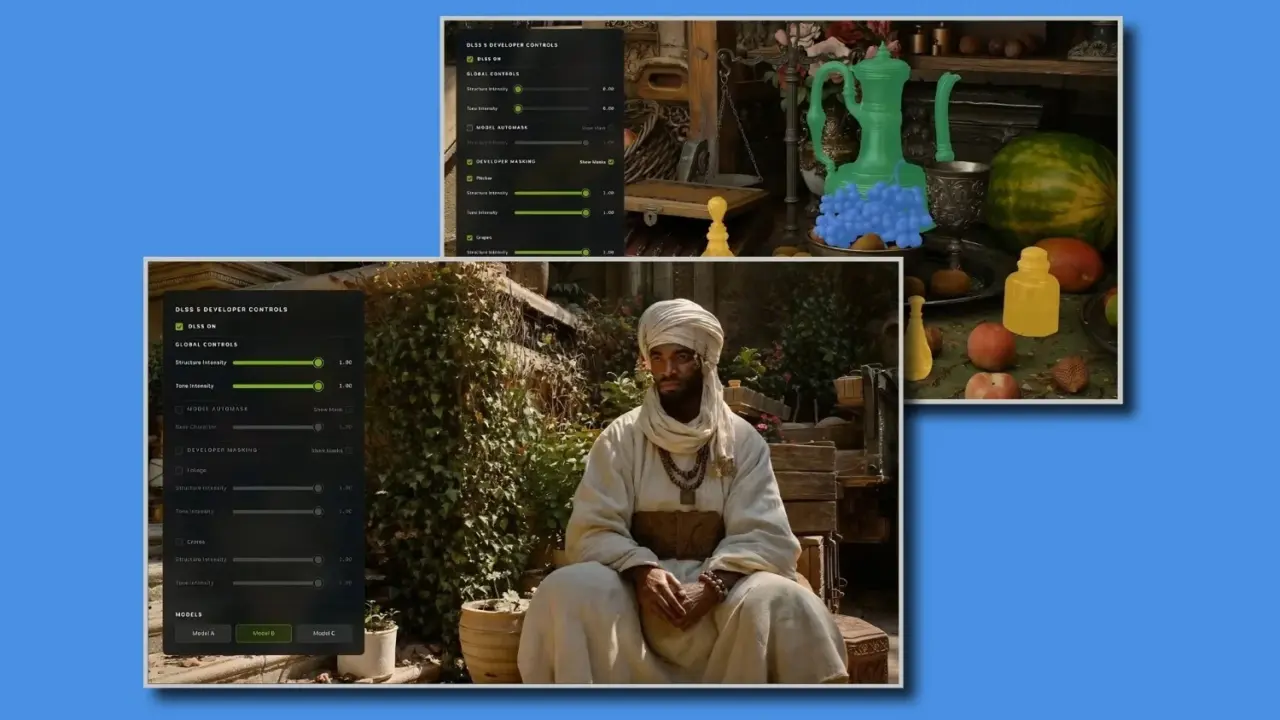
The software update targets the RTX Blackwell platform and introduces three real-time models for developers to use. NVIDIA calls these options Model A, Model B, and Model C, allowing studios to select the intensity level that fits their specific needs. This structure replaces a one-size-fits-all approach with granular tools for managing visual fidelity.
- Developer Control Models: Model A, Model B, Model C
- Customization Sliders: Structural Intensity, Tone Intensity
- Target Lighting Effects: Sub-surface scattering, global illumination
- Hardware Platform: RTX Blackwell
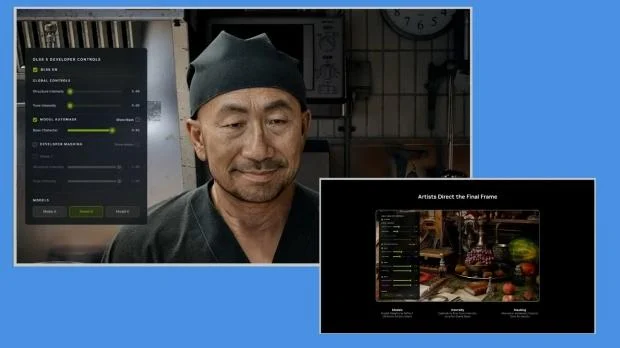
Developers can adjust two main sliders to fine-tune the output: Structural Intensity and Tone Intensity. These controls help manage how the system handles complex lighting scenarios like sub-surface scattering and global illumination. The tools also include masking capabilities to isolate specific areas of a scene for targeted adjustments.
NVIDIA states that the update allows developers to preserve artistic intent while offsetting the heavy work required for full path-traced scenes. The company showcased these developer tools at SIGGRAPH 2026 to demonstrate the new capabilities. The goal is to deliver photorealistic lighting without sacrificing the creative vision of the game designers.
DLSS 5 is currently on track for a global release in Fall 2026. We looked at the last DLSS 5 update earlier while tracking NVIDIA launches, and the focus on balance remains consistent. The final release will bring these developer-focused controls to the broader gaming community.
Source: TweakTown