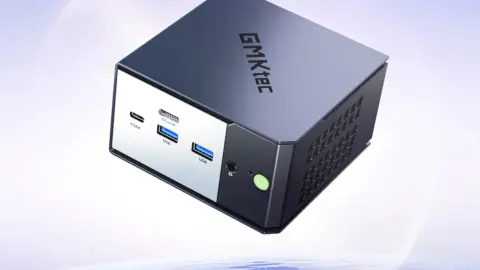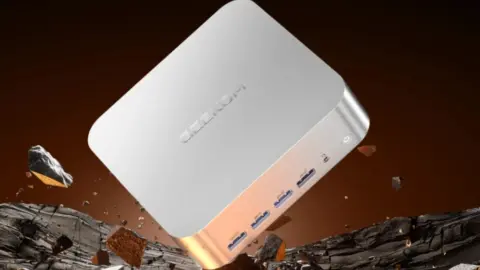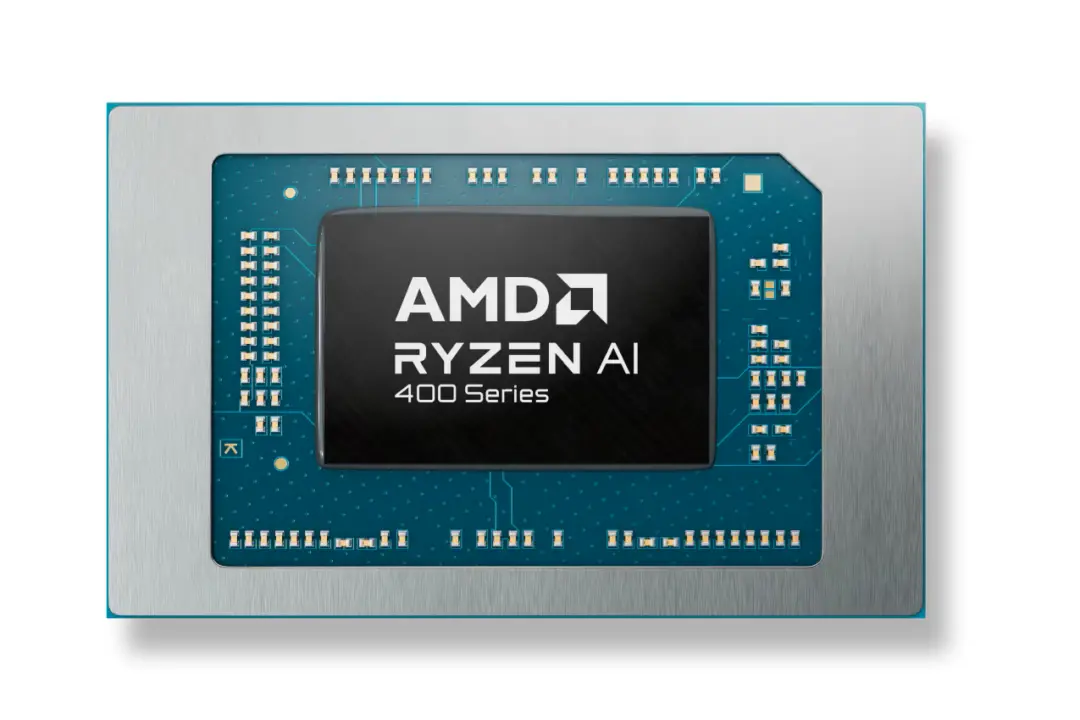
AMD has released the Ryzen AI 9 HX 470 processor in laptops and mini PCs, but the upgrade offers little practical benefit for most buyers. The new chip delivers only about 7 percent better performance than the previous generation Ryzen AI 9 HX 370. This marginal gain means current owners of the older chip will notice almost no difference in daily tasks or gaming. Users looking to upgrade solely for speed will likely find the investment difficult to justify given the minimal real-world improvements.
Mini PC benchmarks reveal negligible performance gains
The Ryzen AI 9 HX 470 shares the same internal architecture as its predecessor, including identical Radeon 890M integrated graphics. Benchmarks from the Bosgame VTA-439 mini PC show the chip scoring 23,997 points in Cinebench R23 multi-core tests. Single-core performance reached 2,091 points in the same benchmark suite. Geekbench 6.7 results place the multi-core score at 15,842 points and the single-core score at 3,000 points. These numbers confirm the processor relies on the same core design as the HX 370.
Specifications
- Integrated Graphics: Radeon 890M
- Benchmark Performance (Cinebench R23 Multi Core): 23997 Points
- Benchmark Performance (Cinebench R23 Single Core): 2091 Points
- Benchmark Performance (Geekbench 6.7 Multi-Core): 15842 Points
- Benchmark Performance (Geekbench 6.7 Single-Core): 3000 Points
The primary distinction between the two chips lies in their thermal management requirements rather than raw computational power. Gaming laptops equipped with the older HX 370 often perform within 1 percent of the new HX 470. This near-parity occurs because larger laptop chassis provide superior cooling solutions compared to compact mini PCs. The larger cooling systems allow the older chip to sustain higher clock speeds for longer periods. Consequently, the HX 470 does not deliver a significant advantage in sustained workloads.
Industry analysis describes the HX 470 as a minor refresh that functions largely as a rebrand of the HX 370. The performance features remain unchanged, making the new chip a holdover in terms of technical innovation. Any advantages provided by the newer processor will be hardly noticeable to the vast majority of users. Buyers should prioritize cooling efficiency and system design over the specific processor model when choosing between these options.
Source: NotebookCheck