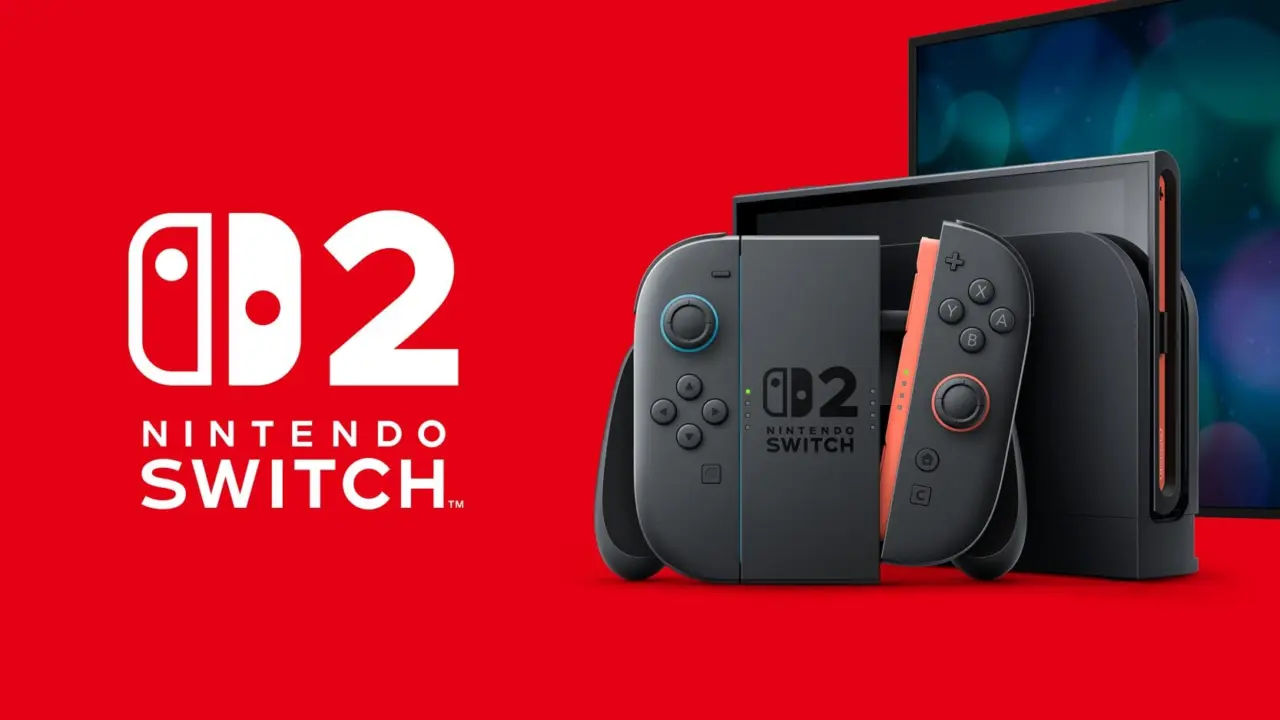
Nintendo is restricting sales of the Nintendo Switch 2 multilingual version in Japan after suspecting users of hoarding stock for resale. The company now enforces a strict purchase limit that requires buyers to log at least 50 hours of gameplay by May 31. This policy change targets the cheaper regional variant that attracts international scalpers due to favorable exchange rates.
Strict purchase limits and playtime verification implemented to stop bulk buying
The multilingual Switch 2 model costs ¥59,980 JPY in Japan, which translates to roughly $374 USD. Domestic-only versions remain more expensive at ¥69,980 JPY or approximately $437 USD. Nintendo identified this price gap as the primary driver for bulk purchasing and unauthorized resale activity.
The new purchase restrictions apply only to the multilingual hardware configuration sold through the official Nintendo Store in Japan. Buyers must meet a 50-hour playtime threshold before they can place another order. The company temporarily suspended all sales of this model while it verified customer accounts and flagged suspicious orders.
Nintendo states that the updated policy aims to distribute stock more evenly among genuine players rather than resellers. Nintendo did not clarify whether permanently banned accounts would remain restricted or if temporary holds would be lifted once verification was completed. The new purchase requirements align with standard industry practices for managing limited inventory and preventing resale during popular product releases.
The multilingual Switch 2 costs ¥59,980 JPY in Japan, while the domestic-only version stays at ¥69,980 JPY. The US price increases from $449 to $499 starting September 1, and European retail pricing rises to €499. Price increases in other regions appear to be separate from the specific restrictions implemented in Japan due to local pricing arbitrage concerns.
The company has experienced comparable inventory challenges in past product cycles due to high market interest and constrained production capacity. The company now uses playtime verification as a technical barrier that separates casual buyers from professional resellers. This method shifts responsibility onto users to prove legitimate engagement with their hardware purchases.
Source: VideoGameChronicles