PC HARDWARE Dell monitor prices to rise 3-5% in October 2026 as cost absorption ends INTEL Intel Core i5-4670K hits 6.3GHz, breaks Cinebench R11.5 record held since 2014 AMD Modern Warfare 4 Switch 2 version uses NVIDIA DLSS for cleaner edges and sharper textures PHONES Poco X8s listed at $313 with 6,330 mAh battery and IP68 rating PHONES Samsung Galaxy F70 5G launches in India for $210 with 90Hz AMOLED display and 4 years of OS updates GAMES Lucasfilm seeks new developer for Star Wars Battlefront 3 as EA DICE and Bungie emerge as frontrunners STEAM Steam Next Fest features over 8,000 game demos, more than doubling last year’s count GAMES Hideo Kojima to appear as braindance director in Cyberpunk: Edgerunners season 2 GAMES GTA 6 devs tried ‘a million’ weapon wheel alternatives as struggles with RDR2 realism led some to quit AMD AMD Gainsborough APU Leaked With 2,400 MHz iGPU and 24 GB of DDR5-9600 GAMES Whispers in the Fog Gameplay Teaser Reveals First-Person Psychological Horror Mechanics GAMES Unofficial Tekken 6 PC Port Adds Rollback Netcode and 4K Graphics STEAM Fish Them All! demo launches on Steam Next Fest with 100 million fish goal and UFO automation STEAM Indie dev threatens $200 Steam item ransom for AI clone of Dragon’s Chronicles

Samsung Patents Two Rollable Phone Designs With Unique Extension Mechanisms

NicoGG 1 min read

Samsung has patented two rollable smartphone concepts featuring sliding and hidden display mechanisms with sensors for dynamic interface adjustment.

Samsung has filed patents for two distinct rollable smartphone designs. These concepts explore ways to expand screen size without permanently increasing the device footprint.
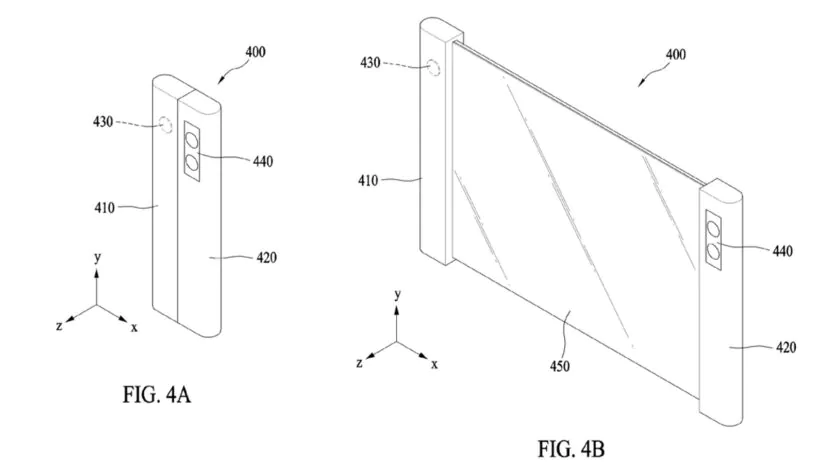
Samsung Galaxy Z Rollable patent concept showing horizontal extension mechanism

Samsung patents two distinct rollable smartphone designs that explore expanding screen size without permanently increasing the device footprint.

One patent describes a horizontal extension mechanism that pulls outward like a sliding drawer. The second concept conceals the flexible display entirely within the chassis until the user extends it.

Both designs integrate sensors to measure how far the screen extends and how fast users pull it. This data allows the software interface to adjust dynamically based on the current screen size.

Samsung aims to solve common durability issues associated with flexible screens, such as scratches and impact damage. The company files numerous hardware concepts annually, and many never reach production. Rollable phones face specific engineering hurdles involving moving parts, battery placement, and long-term reliability.

Source: GIZMOCHINA