Microsoft has officially elevated Windows on Arm to a first-class platform for any workload, a move that signals the company is no longer treating the architecture as a niche experiment. This designation matters because it tells developers and buyers that the ecosystem has reached a maturity threshold where broad compatibility is the baseline expectation rather than a future goal. For users considering Arm-based laptops, this shift suggests that software limitations, once the primary barrier to adoption, are now officially addressed at the platform level.
Microsoft elevates Windows on Arm status as app compatibility hits 7,000
The core of this announcement centers on Windows 11 running on Arm processors, where Microsoft claims significant gains in both application compatibility and runtime performance. The company highlights that enhanced emulation capabilities now allow apps not natively built for Arm to run with better efficiency than before. This technical improvement aims to bridge the gap between native Arm software and the vast library of legacy x86 applications that dominate the desktop market.
A key metric supporting this status is the current count of applications that have achieved "compatible" status, which now exceeds 7,000. Microsoft cites improved performance for these applications as a direct result of the updated emulation and compatibility layers. These figures represent the tangible progress the company is using to justify the first-class designation, moving the platform from theoretical potential to measurable utility.
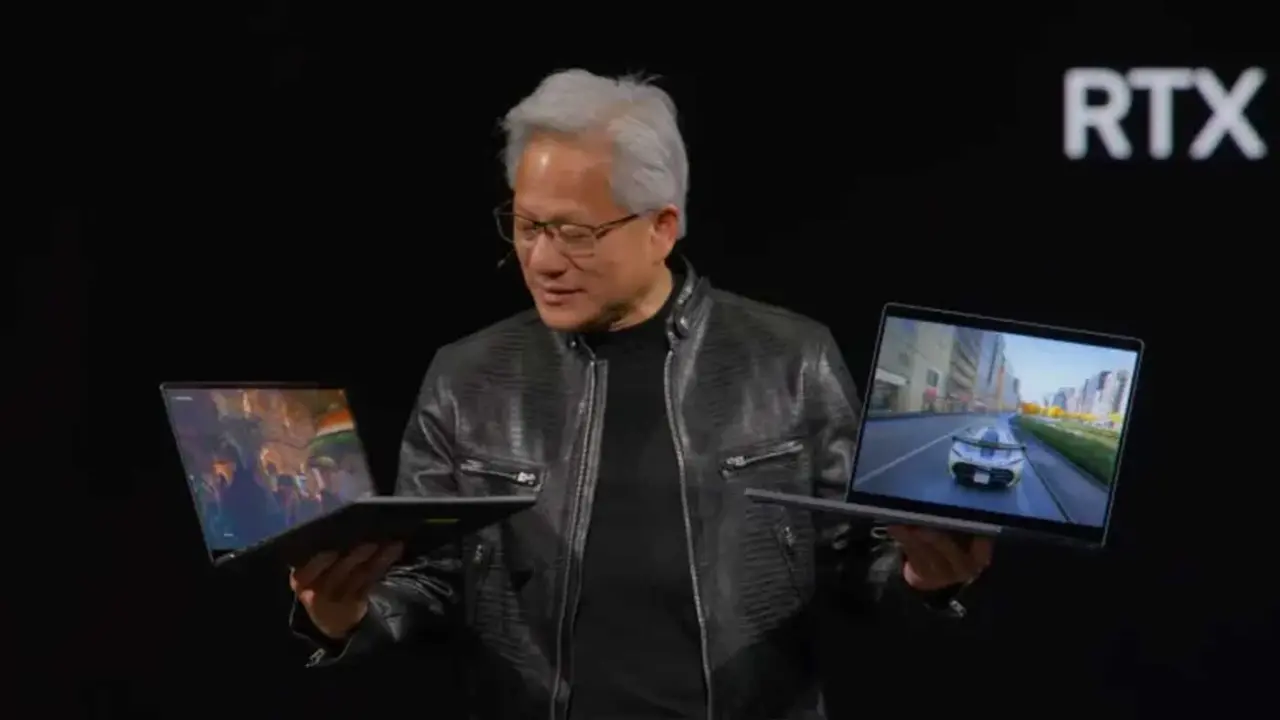
Despite these numbers, the actual user experience for those 7,000 compatible apps remains a point of scrutiny, as proper optimization varies widely. Whether these applications provide a clean, x86-comparable experience is a separate issue from their mere compatibility status. The hardware ecosystem supporting this software push includes RTX Spark laptops from Microsoft, ASUS, Dell, HP, Lenovo, and MSI, which are scheduled to release in the Fall.
Market demand is driving the current wave of silicon and OEM investment, according to Microsoft executive Klaus Diaconu, who notes that the industry is responding to the platform's growing credibility. This alignment between software milestones and hardware releases creates a cohesive push into the consumer market later this year. The confirmation of these Fall releases ties the software announcement directly to tangible products available to buyers.
Source: TweakTown