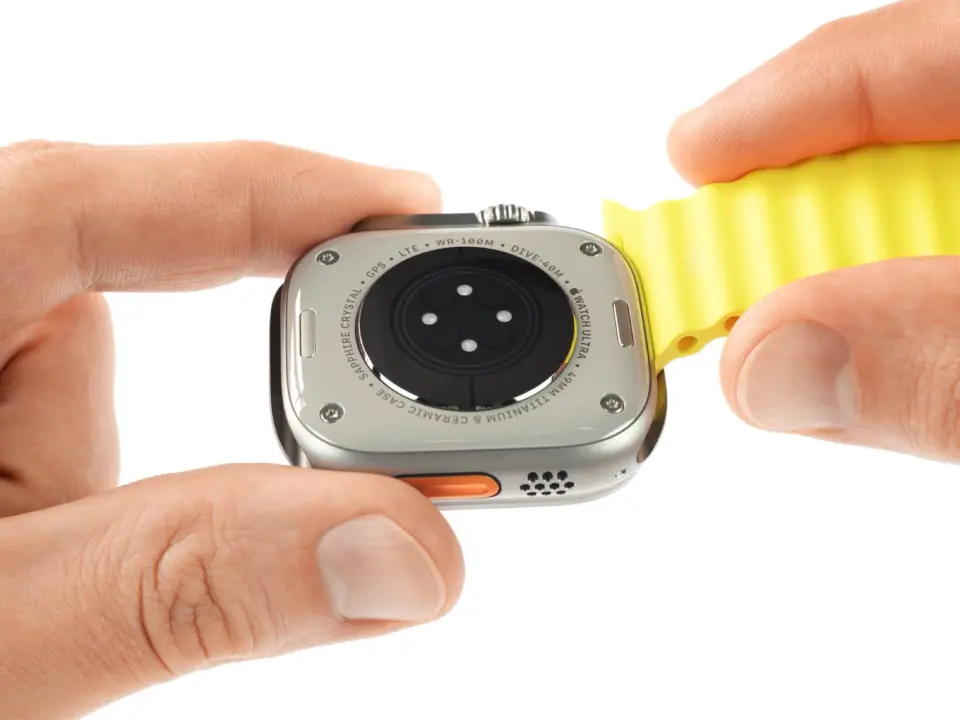
The European Commission has carved out a specific exception to its 'Right to Repair' regulation for wearable devices like the Apple Watch. This change means manufacturers no longer need to design these wearables for easy battery replacement by users. Buyers who prefer to swap their own watch batteries will lose that option, but the rule aims to prevent safety hazards from improper opening.
EU relaxes repair rules for wearables citing safety risks
The exemption explicitly covers electric toys and wearable technology, including smartwatches, fitness trackers, and smart glasses. Products such as the Apple Watch, Google Fitbit Air, and Meta Ray-Ban Smart Glasses fall under this new allowance. The commission cites safety risks associated with opening these small devices as the primary justification for the exemption.
Smartphones and tablets remain subject to stricter rules under the same regulation. Starting February 18, 2027, these devices must still feature batteries that users can replace without special tools. Manufacturers will also need to make replacement batteries available for at least five years after a device's release.
We looked at the last Apple Watch update earlier while tracking sensor upgrades and stability themes. The current regulatory shift focuses entirely on physical repairability rather than software features or hardware performance. This distinction keeps the repair debate separate from recent firmware improvements.
The European Commission confirmed that the exemption applies specifically to portable devices where opening poses a safety risk. The rule change takes effect immediately for the listed wearable categories. Smartphones and tablets will continue to face the original battery replacement requirements through the 2027 deadline.

Source: NotebookCheck