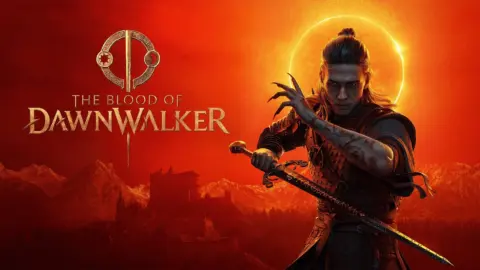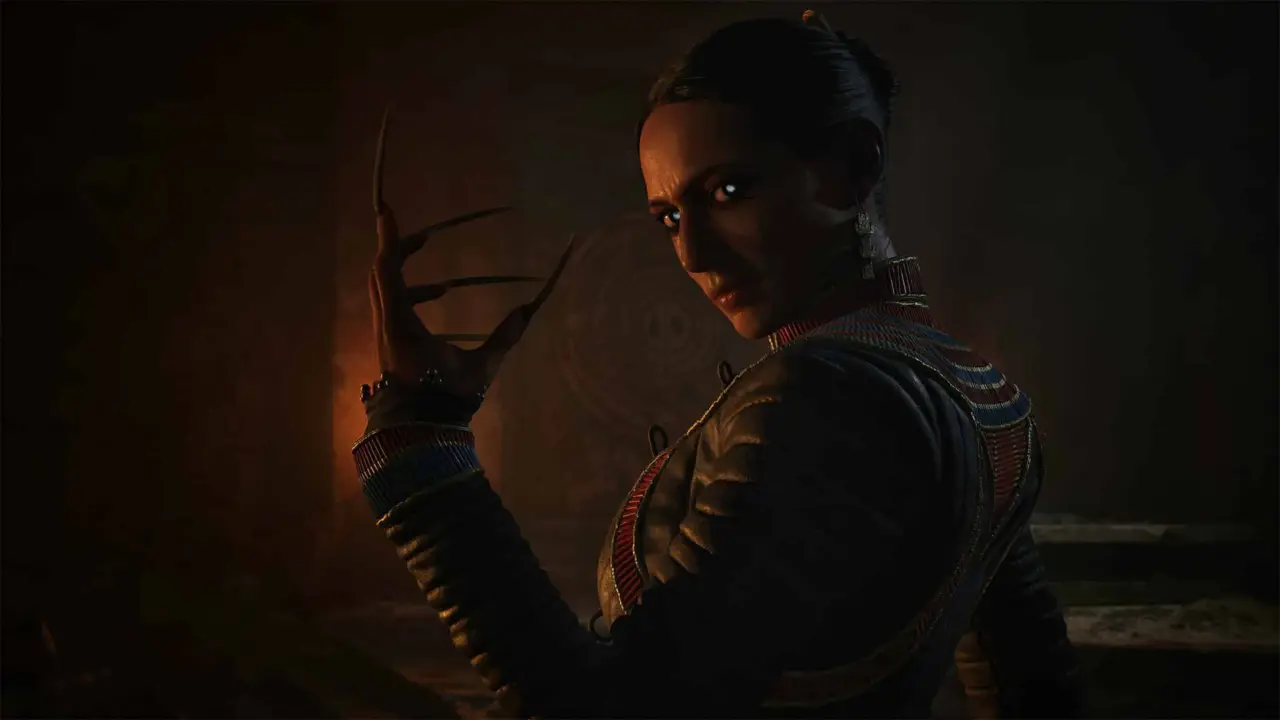
Rebel Wolves is shifting the conversation around its upcoming action RPG, The Blood of Dawnwalker, by declaring that commercial sales will not dictate the studio's creative direction. This stance matters to players who worry that market pressures might compromise the depth and ambition of the game's narrative and mechanics. The studio prioritizes artistic vision and fan reception over financial metrics, a philosophy that directly impacts how the final product is crafted.
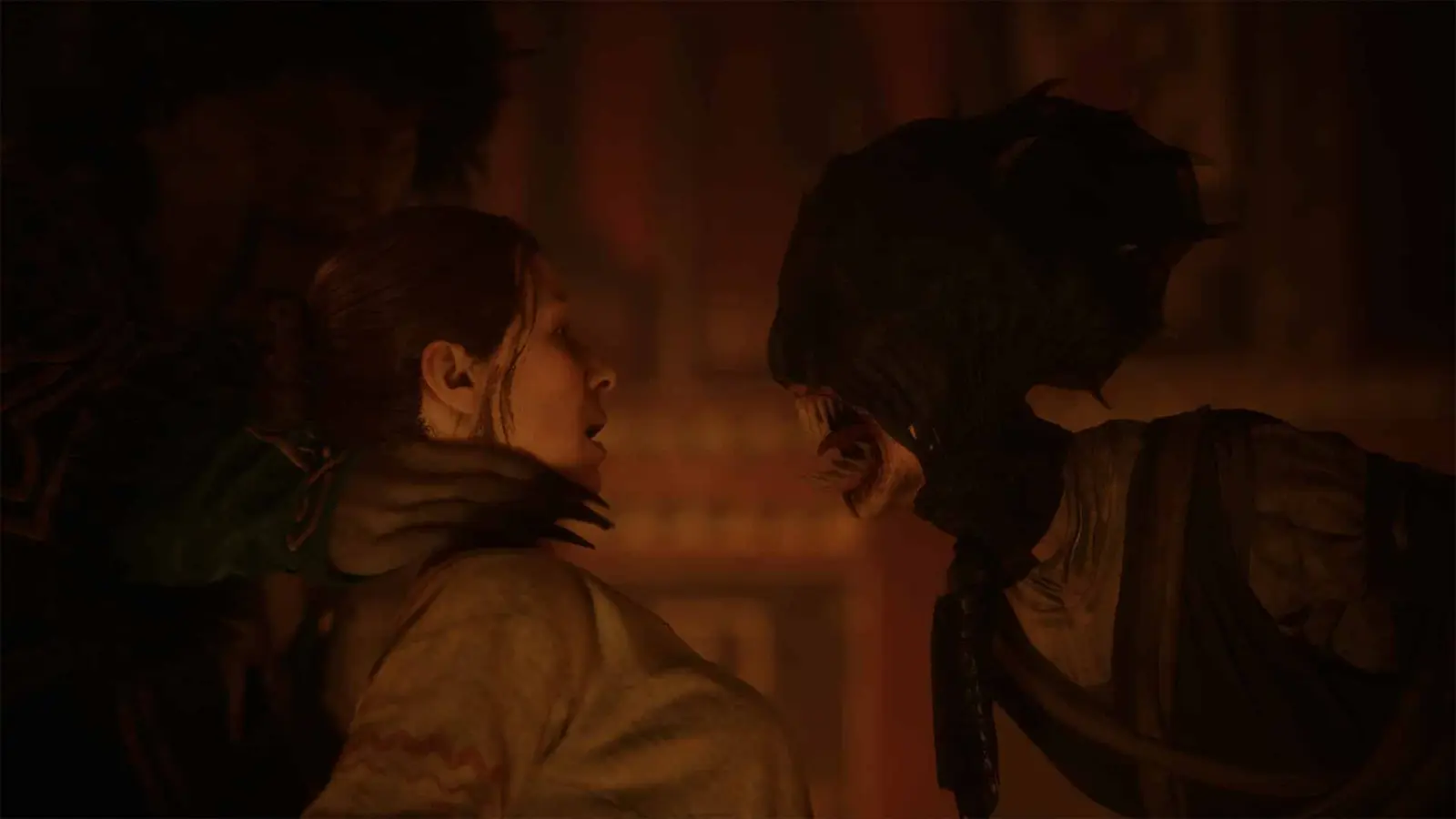
Rebel Wolves confirms September 3 launch and artistic priorities
The game, developed by Rebel Wolves, is scheduled for a global release on September 3 across PS5, Xbox Series X|S, and PC platforms. Game Director Konrad Tomaszkiewicz argues that designing a title specifically to chase sales figures is a recipe for failure. The team intends to measure the project's success through fan energy and potential industry awards rather than unit counts.
Technical decisions reflect this artistic priority, as the studio has confirmed the game will not include Denuvo DRM or mini-games. These exclusions suggest a focus on a streamlined, uninterrupted player experience without third-party protections or filler content. The developers have also outlined plans for smaller, free downloadable content packs to support the game after launch.
The narrative structure features multiple epilogues where player choices carry over into planned sequels, reinforcing the long-term impact of in-game decisions. This design choice ties the current release into a broader story arc, rewarding players for their specific engagement with the world. We've been tracking The Blood of Dawnwalker closely — see our earlier coverage on The Blood of Dawnwalker Drops Denuvo.
Rebel Wolves is committing to a release model that emphasizes creative integrity and community feedback over traditional sales targets. The September 3 launch date is confirmed for all major current-generation consoles and PC. Players can expect a complete experience without Denuvo, mini-games, or paid post-launch expansions that fragment the core narrative.
Source: MP1ST