
Target is quietly reshaping how gamers buy games in physical stores, and the change is already sparking backlash from collectors and enthusiasts. A viral image circulating on Reddit shows a retail display where traditional plastic game cases have been swapped for small digital download code cards. This shift matters because it signals a potential end to the era of holding physical copies of next-generation games on store shelves. For players who value ownership and resale rights, the move suggests a future where digital distribution dominates even brick-and-mortar retail.
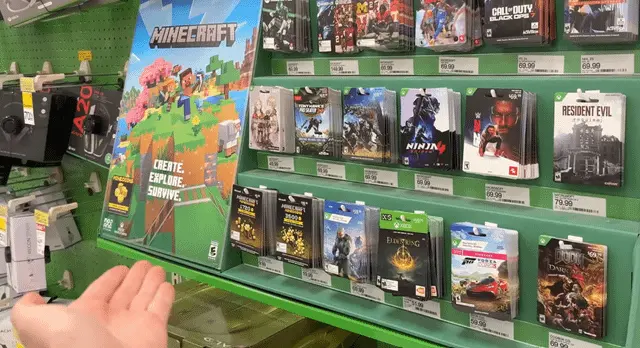
Viral photo shows Target swapping plastic cases for download cards
The image appears to depict a gaming section at a Target location in the United States, although this location has not been independently verified. The person who shared the photo described the scene as "A look at the future of gaming sections…." The display features rows of code cards arranged where console game boxes typically sit. This visual change highlights how retailers are adapting to Sony's announced move away from physical media for upcoming titles.
The core of the controversy lies in the replacement of tangible game cases with intangible digital codes. These code cards allow customers to redeem games online rather than inserting a disc or cartridge into their console. The image shows these cards displayed in a manner that mimics traditional shelf organization, but without the physical media itself. This arrangement raises questions about the long-term viability of dedicated gaming sections in electronics retailers that rely on physical inventory.
Target has been selling download code cards for some time, prior to Sony's broader industry shift toward digital-only releases. However, the prominence of these cards in the viral image suggests a strategic push to prioritize digital sales over physical stock. Reddit users reacted strongly to the sight, with comments ranging from "hurts my soul" to "hurts my eyes." The negative sentiment reflects a broader concern among gamers about the loss of physical media as a standard retail product.
The shift to digital codes in physical stores marks a significant step toward a fully digital gaming ecosystem. While Target continues to sell these codes, the visual replacement of game cases indicates a strategic pivot in how games are merchandised. Gamers who rely on physical copies may find fewer options available in major retail chains in the near future. This trend underscores the growing influence of digital distribution on traditional retail practices.
Source: NotebookCheck