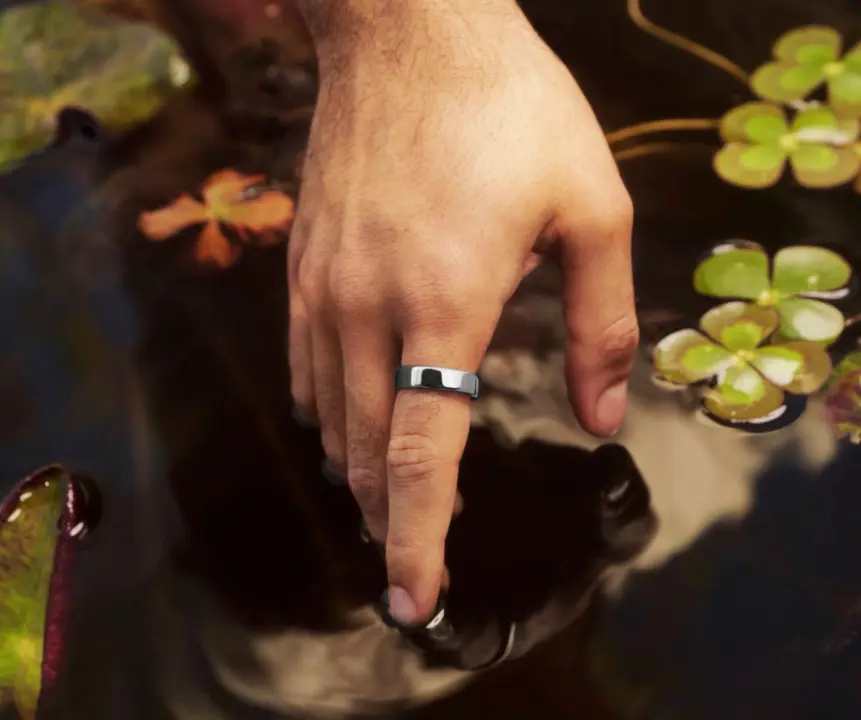
Samsung has officially confirmed that a second-generation Galaxy Ring is currently in development, ending speculation about the future of its wearable lineup. This announcement matters to buyers because the original device is now two years old, leaving users waiting for meaningful updates in a market where competitors like the Oura Ring 5 continue to release new hardware. The confirmation provides a clear timeline for when existing Galaxy Ring owners might see a successor that addresses current limitations in battery life and sensor accuracy.
Second-generation wearable targets longer battery and improved sensors
The upcoming device will likely focus on refining the user experience rather than introducing radical hardware changes. Samsung Senior Vice President Dr. Hon Pak stated that the hardware itself will not be the decisive factor for the new model. He explained that most smart rings on the market already possess comparable sensors, so the real differentiation will come from improved software and artificial intelligence analysis of health data.
Rumors suggest that the Galaxy Ring 2 will feature a thinner and lighter form factor to improve daily comfort. The battery life is expected to extend from the current one-week mark to nine or ten days on a single charge. Additionally, the sensors are rumored to be redesigned to measure skin temperature more accurately and to enable new features for monitoring cardiovascular health.
There are also hints that the second-generation ring could be compatible with the Apple iPhone for the first time. Dr. Hon Pak did not confirm this specific compatibility, leaving it as an unverified possibility for users of competing ecosystems. Such compatibility could significantly expand the potential customer base beyond existing Samsung Galaxy smartphone owners.
Samsung is positioning the Galaxy Ring 2 as a software-driven evolution of its initial wearable attempt. Samsung executives have stated that software and AI analysis are the key differentiators, rather than hardware specifications alone. Buyers interested in long-term heart health tracking and extended battery performance should watch for official launch details later this year.
Source: NotebookCheck