Valve's original Steam Controller Puck has long been a niche accessory, but a new open-source firmware project called OpenPuck changes how users interact with that hardware. This development matters because it removes the dependency on Valve's proprietary ecosystem, allowing gamers to use their controllers on platforms that do not natively support the device. We can now build a functional replacement using off-the-shelf components instead of waiting for official hardware updates.
DIY firmware bypasses Steam client for broader device compatibility
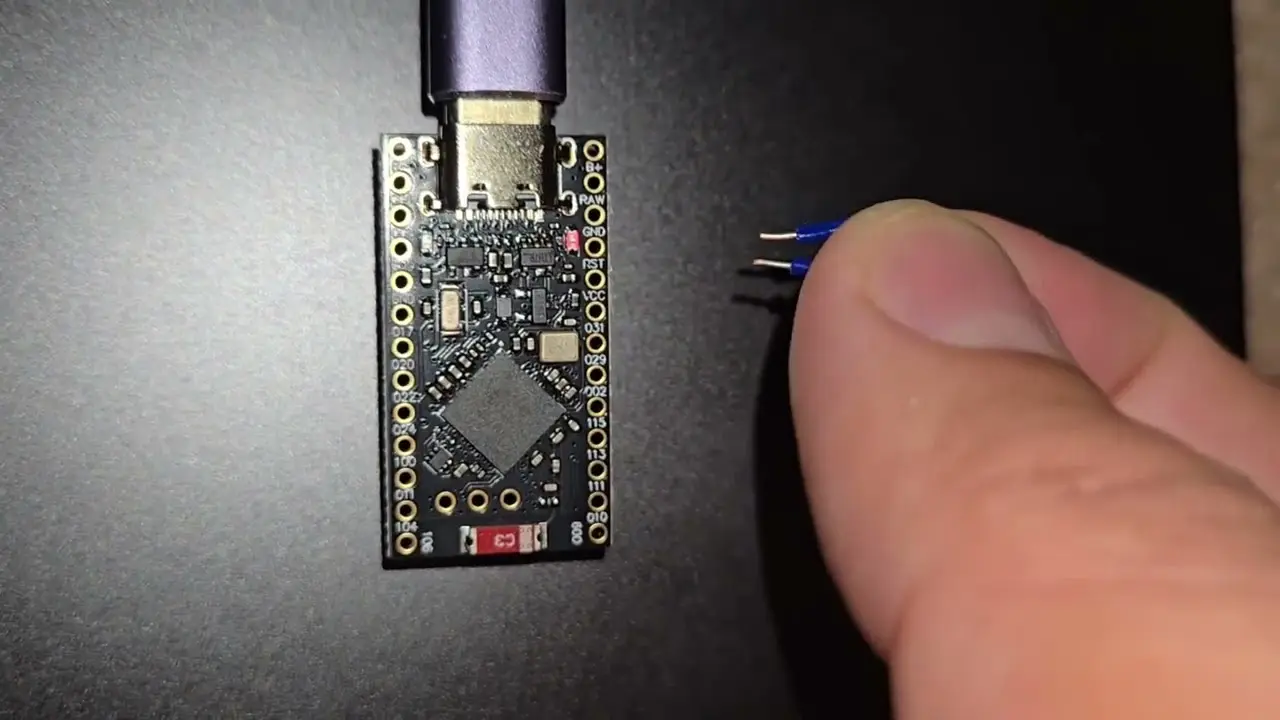
The OpenPuck project functions as a firmware replacement for the original Puck, enabling the Steam Controller to communicate with various systems without the Steam client. The core of this modification relies on the NRF52840 Bluetooth Microcontroller, which replicates the specific wireless behavior of Valve's official hardware. This setup allows the controller to establish a stable connection using the same proprietary 2.4GHz protocol found in the original puck.
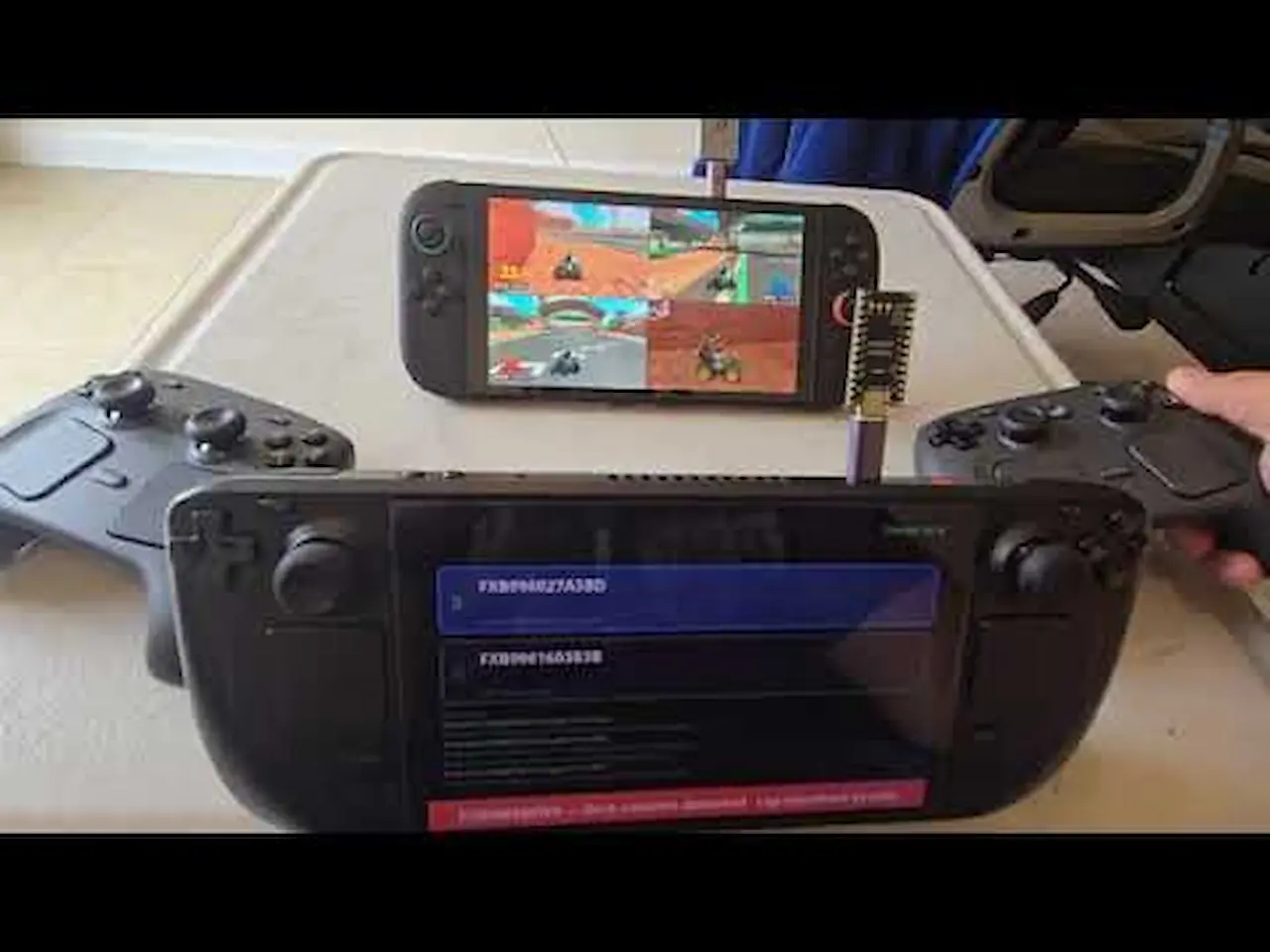
Technical implementation focuses on bypassing the usual software requirements that typically gate access to the controller's full feature set. Users can operate the Steam Controller completely without Steam Input, meaning the Steam application does not need to be running or even installed on the host machine. The firmware allows the controller to operate as a standard human interface device without requiring the Steam client.
Beyond PC gaming, the firmware adds versatility by allowing the controller to be detected as a Nintendo Switch Pro Controller when connected to a Switch. The device can also be detected as a Nintendo Switch Pro Controller when connected to a Switch. The DIY version differs from the official puck in that it lacks metal contacts for wireless charging, requiring users to manage power manually.
The development process behind OpenPuck involves significant assistance from artificial intelligence, with the developer admitting that almost the entire codebase was generated with the help of AI LLMs like Claude. The developer admitted that the project's code was largely generated with the help of AI language models. The project remains a community-driven effort rather than an official Valve product.
Source: SteamDeckHQ