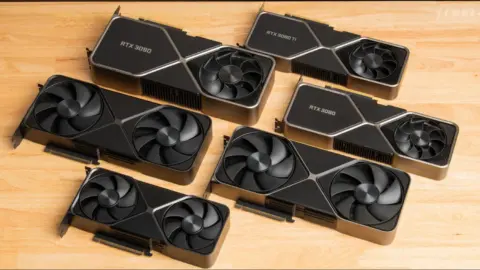
Nvidia is preparing another round of price hikes for its GeForce RTX graphics cards, and this increase hits every model in the lineup. The company plans to raise the cost of GPU packages by 20 to 30 percent, marking the third significant price jump since January. This shift matters to PC builders because it directly raises the cost of high-end gaming rigs and professional workstations. Buyers looking to upgrade their systems should expect to pay more for the latest hardware than they did just a few months ago.
Broad component cost increase affects all graphics card tiers
The price increase targets the core components of the graphics cards, specifically the GPU chips and memory modules. Unlike the earlier hike in May that only affected the flagship GeForce RTX 5090, this latest adjustment is expected to apply to all models. This broad scope means that even mid-range or lower-tier RTX cards will likely see their costs rise alongside the high-end variants. The move signals a sustained pressure on component costs rather than a temporary spike for a single product.
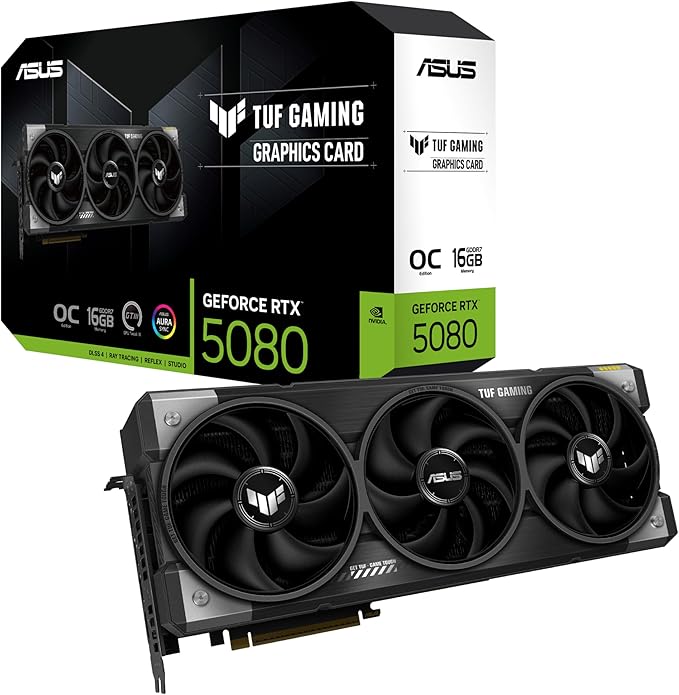
Market signals already reflect these rising costs, with board partners adjusting their prices ahead of official announcements. The Asus TUF Gaming GeForce RTX 5080, for example, saw its price jump from $1,199 to $1,595 on Amazon. This specific increase illustrates the scale of the potential 20 to 30 percent hike that Nvidia is implementing across its portfolio. Such sharp rises in individual model prices suggest that the new GPU package costs are being passed down to consumers quickly.
This pricing environment is not unique to Nvidia, as AMD and Intel have also raised their GPU and graphics memory prices this year. The underlying driver is a broader DRAM crisis that is expected to persist until 2028, creating a long-term headwind for hardware costs. This extended timeline suggests that the medium-term outlook for PC component pricing remains firmly upward. Consumers should anticipate that these elevated prices will likely stay in place for several years rather than correcting soon.
Nvidia has not yet officially confirmed the exact details of this price increase in public statements. The report originates from Taiwan’s Economic Daily News, which attributes the expected 20 to 30 percent hike to industry sources. While the specific figures are still unconfirmed by the vendor, the pattern of previous hikes and current market signals makes the trend clear. The industry is currently bracing for higher costs as these adjustments move from rumor to retail reality.
Source: NotebookCheck