SOFTWARE AND UPDATES Google Removes Lord of the Rings Extended Editions from Play Store GAMES Final Fantasy 9 remake stalled, Square Enix pivots to FF7 Revelation ANDROID Redmi Note 17 Pro Max Leak Reveals Snapdragon 6 Gen 5 Chipset NINTENDO Oblivion Remastered Hits Switch 2 This Week Alongside Duskfade ACCESSORIES Epomaker GX1 Gaming Headset Launches with 70-Hour Battery for $45 ANDROID iQOO Neo 11 Ultra and Z11S Launch Aug 18 With Massive Batteries INTEL Purism Librem 16 Launches with Hardware Privacy Sliders for $2,899 GAMES Beast of Reincarnation Patch 1.005 Switches Default to Performance Mode ACCESSORIES Abxylute M6 and M5 Telescopic Controllers Bring Magsafe Gaming to Kickstarter GAMES Kingdom Come: Deliverance 2 Co-Op Mod Adds Multiplayer to Single-Player RPG GAME PERFORMANCE Fallout 4 Mod Fixes Traversal Stutters by Batching Resource Queues INTEL Lenovo ThinkCentre Neo 50q Gen 7 Lists With Intel Wildcat Lake and 32GB RAM AMD AMD Launches Ryzen 5 439 and Ryzen 7 449 Laptop CPUs Without NPUs GEFORCE RTX Gigabyte Aorus RTX 5060 Ti AI Box turns thin laptops into 1440p rigs

Kaspersky Warns Steam Users of Wallpaper Engine Malware Campaign

NicoGG 1 min read

Kaspersky warns Steam users about a malware campaign using malicious Wallpaper Engine files to steal accounts, primarily targeting users in China and Russia.

Kaspersky Warns Steam Users of Wallpaper Engine Malware Campaign
SOFTWARE AND UPDATES

Hackers have embedded malicious code into custom wallpapers within 's Wallpaper Engine, compromising user accounts and sensitive data. The campaign has been active since late 2025 according to researchers at Kaspersky. Attackers primarily targeted users in China and Russia through the application.

Security researchers uncover hidden code in user-uploaded desktop backgrounds that can steal accounts and sensitive data.

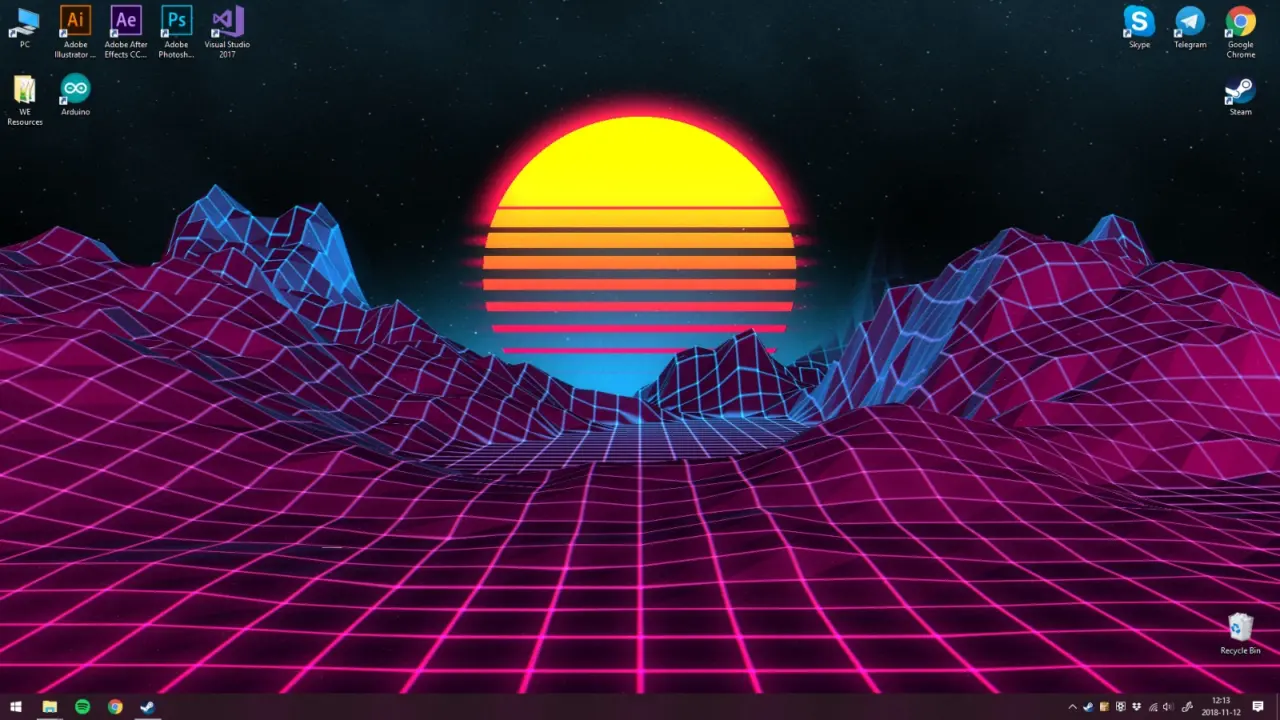
Valve distributes Wallpaper Engine on as a tool for displaying animated desktop backgrounds. Users upload their own creations to a shared community workshop, which allows others to browse and install them directly. The app runs these files locally on the PC, granting the software access to system resources during playback.

Malicious wallpapers in this campaign contained hidden code that executed applications after installation. Infected files could steal Steam accounts and other sensitive information from affected machines. Kaspersky researchers identified the threat by analyzing suspicious user-uploaded content within the app ecosystem.

Security experts recommend verifying the reputation of wallpaper creators before installing their work. Users should also maintain active security software to detect unauthorized activity on their systems. The campaign highlights risks associated with running unverified community content on personal computers.

Source: DEXERTO