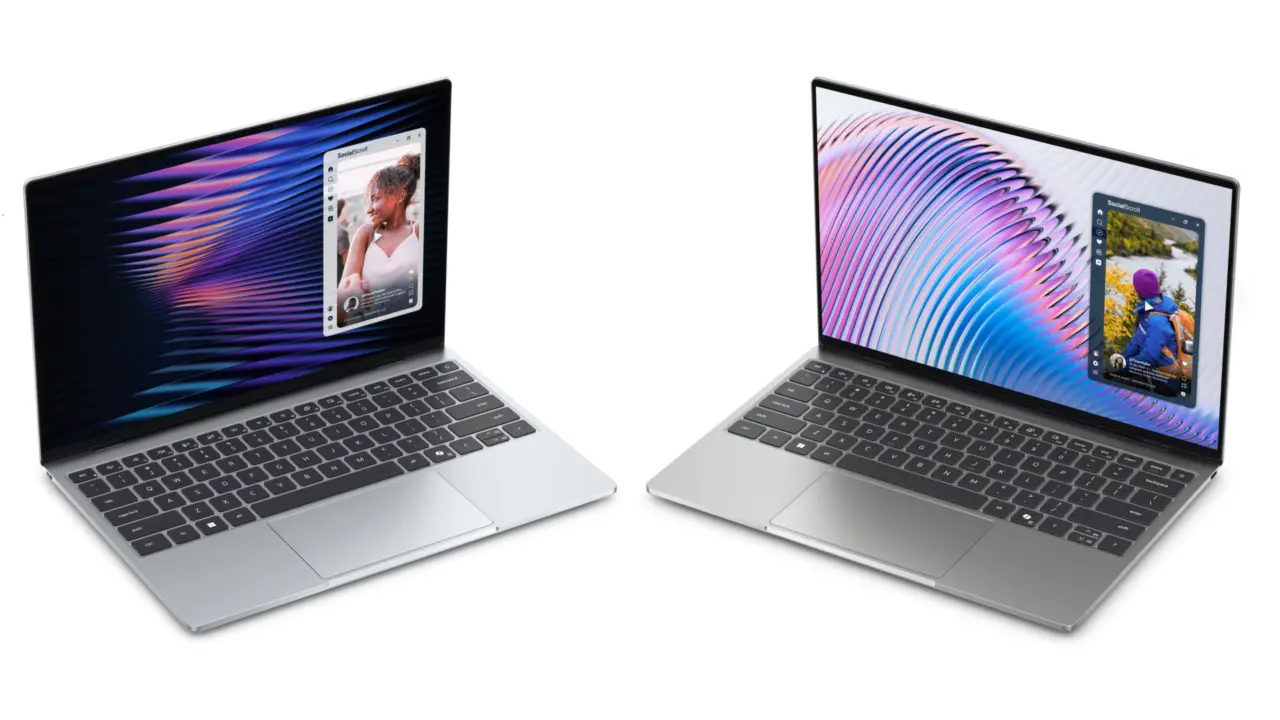
Dell has leaked details for the next-generation XPS 13 laptop, revealing a design that prioritizes thinness and efficiency over raw power. The model, identified by code DX13260, introduces a new processor lineup from Intel while maintaining the compact form factor that defined its predecessors. The device is positioned as a practical choice for individuals seeking dependable everyday computing while maintaining easy transportability.

Leaked specifications reveal a compact design with Wildcat Lake processors and affordable pricing for the next-generation laptop.
The device features a 13.4-inch InfinityEdge touchscreen with a resolution of 2,560 x 1,600 pixels. It supports a variable refresh rate ranging from 30 to 120 Hz and delivers 500 nits of brightness across 100% of the DCI-P3 color gamut. The chassis measures just 12.7 mm thick and weighs approximately 1 kg, making it suitable for frequent travel.
Specifications
- Display Size: 13.4-inch touchscreen
- Processor (Base): Intel Core 5 320 (Wildcat Lake)
- Processor (High-End): Intel Core Ultra 7 355 (Panther Lake family)
- RAM: 8 GB / 16 GB / 32 GB
- Storage: 256 GB / 512 GB / 1 TB PCIe Gen 4 SSDs
Under the hood, the base configuration uses an Intel Core 5 320 processor from the Wildcat Lake family. Higher-end models will offer the Intel Core Ultra 7 355 from the Panther Lake lineup. These chips provide neural processing unit performance ranging from 16 TOPS to 49 TOPS depending on the selected SKU.
Memory options include 8 GB, 16 GB, or 32 GB of RAM. Storage configurations start at 256 GB and scale up to a 1 TB PCIe Gen 4 SSD. Connectivity varies by tier; Thunderbolt 4 is reserved for higher-priced models, while all units support Wi-Fi 7 and Bluetooth 6.
Pricing begins at $599 USD for the education sector in the USA, with regular starting prices set at $699. Dell claims the system can deliver up to 17 hours of runtime during video streaming tasks. European availability remains pending as details are still being finalized by the manufacturer.
This model extends the established series of compact notebooks from the manufacturer, prioritizing minimal weight and energy-efficient components. Earlier versions utilized older processor lines, whereas the current design incorporates updated silicon architectures focused on improved energy conservation.
Source: NotebookCheck