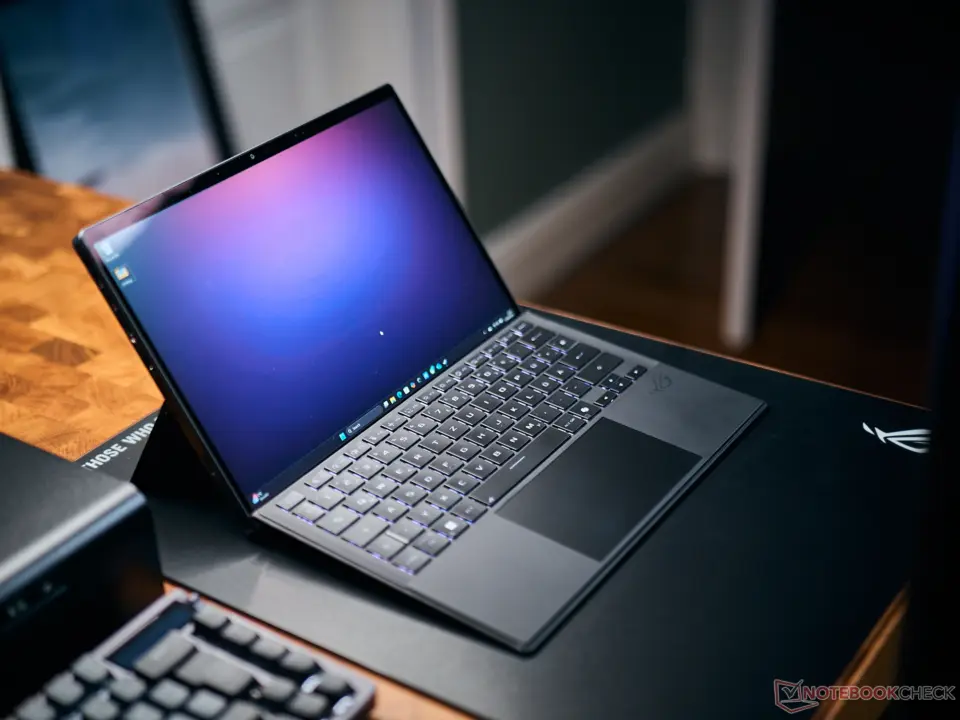
Asus claims its 2025 ROG Flow Z13 tablet is the easiest gaming device to fix, but an independent teardown tells a different story. This dispute matters because repairability scores directly influence buyer expectations for device longevity and repair costs. We need to look past marketing claims to understand what you can actually replace when hardware fails.
Independent teardown reveals soldered components limit upgrade paths
The ROG Flow Z13 is a convertible PC that blends tablet and laptop form factors for portable gaming. Asus markets this 2025 model with a perfect 10/10 repairability rating in France. iFixit tested the same device and assigned it a 7/10 score instead. The discrepancy highlights a growing tension between manufacturer self-assessments and independent verification.
Repairability Assessment
- Repairability Score (Asus Claim): 10/10
- Repairability Score (iFixit): 7/10
- RAM: Soldered
- Wireless Module: Soldered
- Ports: Soldered
iFixit found several design choices that support easy repairs. The display removes cleanly without excessive adhesive. The battery uses screws rather than glue for secure attachment. Technicians can also access the M.2 SSD and camera modules with minimal effort.
However, critical components remain permanently fixed to the motherboard. The RAM, wireless module, and all ports are soldered in place. This limits upgrade paths and makes port replacement difficult. iFixit also noted that Asus provides incomplete repair documentation and maintains inconsistent parts policies in the US market.
The device is available for $2,000 at Amazon. This price point targets users who value portability but may overlook long-term repair implications. Buyers should weigh the convenience of a tablet form factor against the reality of soldered components. Independent verification of repairability claims remains essential for informed purchasing decisions.
Source: NotebookCheck