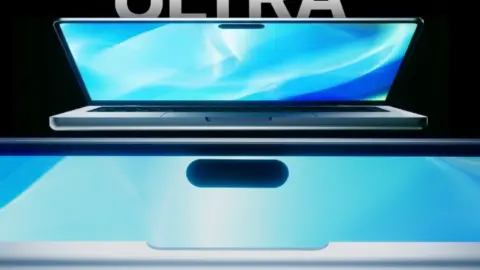
Apple plans to upgrade the MacBook Ultra display to OLED technology, a shift that directly benefits color professionals and high-end creatives. This change moves the laptop beyond the standard DCI-P3 color gamut currently used by most Apple products. The wider color range allows users to perform accurate HDR video color correction directly on the screen without external monitors.
TrendForce reports OLED panels will enable direct HDR color correction
The new display configuration targets the BT.2020 color space, which encompasses approximately 95 percent of colors perceivable by the human eye. Current Apple devices typically cover only the DCI-P3 standard, which represents about 50 percent of human-perceivable colors. BT.2020 covers roughly 75 percent of the total colors visible to humans, offering a significantly richer palette for modern 4K and 8K content.
- Display Technology: OLED
- Color Space Coverage: 95 percent of BT.2020
- Comparison Color Space: DCI-P3
- BT.2020 Human Eye Coverage: 75 percent
- DCI-P3 Human Eye Coverage: 50 percent
TrendForce reports that this switch to OLED will enable thinner, more energy-efficient, and brighter displays compared to the existing Mini-LED panels. The company notes that Apple aims to use this technology to improve both physical form factor and power consumption. This technical upgrade supports the broader goal of creating a more capable mobile workstation for video editing tasks.
Rumors have circulated for years regarding Apple's eventual adoption of OLED panels in its laptop lineup. According to TrendForce, the MacBook Ultra is expected to follow this trend as early as fall 2026. We touched on Apple Mac Studio skips M6, targets in our earlier Apple coverage.
Apple has not officially confirmed the release date or specific hardware specifications for the MacBook Ultra. The information relies on industry analysis from TrendForce regarding component supply and display technology trends. Buyers should monitor future announcements for official confirmation of the OLED transition and launch timing.
Source: NotebookCheck