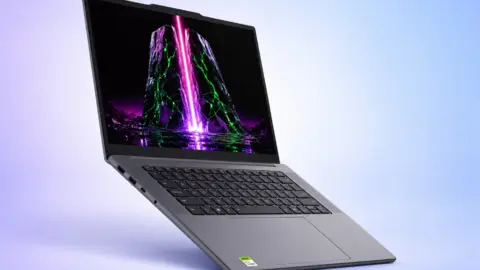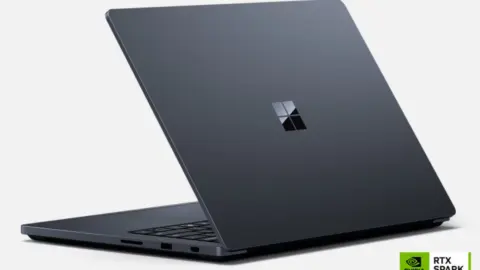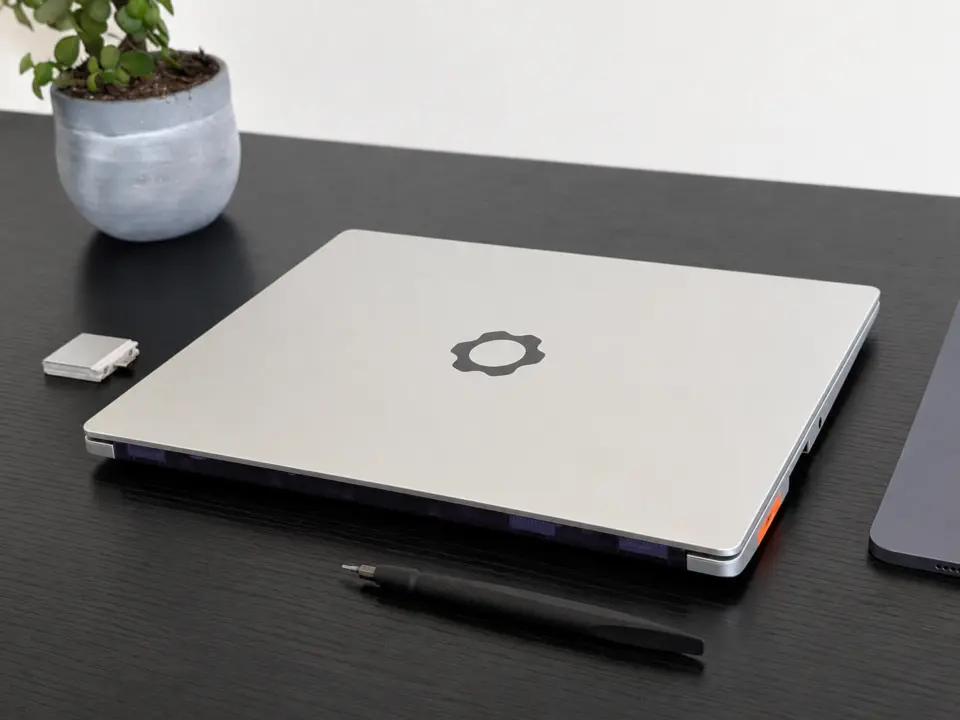
Framework is upgrading the solid state drives in its Laptop 13 Pro to improve storage performance and reduce costs for buyers. This change directly benefits customers who ordered the 500GB configuration, as the company is automatically bumping those pre-orders up to the 1TB model. The shift matters because it delivers more storage capacity at a lower price point for existing orders. Buyers who value high-speed storage and larger capacities will see immediate value without paying extra.
Framework swaps in ADATA drive while lowering the 1TB tier price
The Laptop 13 Pro now ships with the ADATA XPG MARS 970 drive as its standard storage option. Framework is replacing all previous PCIe Gen 5 SSDs with this specific model across the lineup. The new drive connects via the PCIe Gen 5 interface to ensure maximum data transfer speeds. This hardware swap affects all units that were previously configured with older Gen 5 storage solutions.
Specifications
- SSD Model: ADATA XPG MARS 970
- Interface: PCIe Gen 5
- Standard Upgrade: 500GB to 1TB
- New Capacity Options: 1TB and 2TB
The ADATA XPG MARS 970 is available in 1TB and 2TB capacities for this update. Framework states that the new drive promises better performance, efficiency, and long-term reliability compared to its predecessor. The company also confirmed that the 1TB tier is priced lower than the previous 500GB tier. This pricing adjustment means customers get more storage for less money on new orders.
Framework warns that CPU prices are expected to rise soon, which could increase the total cost of new system orders. This potential price hike applies to the processors rather than the storage components. The company maintains that pre-orders remain fully refundable until shipments actually begin. Customers can cancel their orders without penalty if they choose to wait for price clarity.
We touched on Framework Raises Memory and SSD Prices in our earlier Framework coverage. The current update reverses that trend for the Laptop 13 Pro storage tier. The company is delivering a free upgrade to 1TB while lowering the price for that specific configuration. This move stabilizes the value proposition for buyers before broader component costs potentially increase.
Source: NotebookCheck