
Microsoft is reshaping the Xbox division in a way that shifts power away from the console maker and toward its biggest acquisitions. This structural change matters because it signals a strategic pivot where Activision and Bethesda may dictate the creative and operational direction of the Xbox brand. Buyers should understand that the traditional Xbox development model is being replaced by a publishing-led hierarchy.
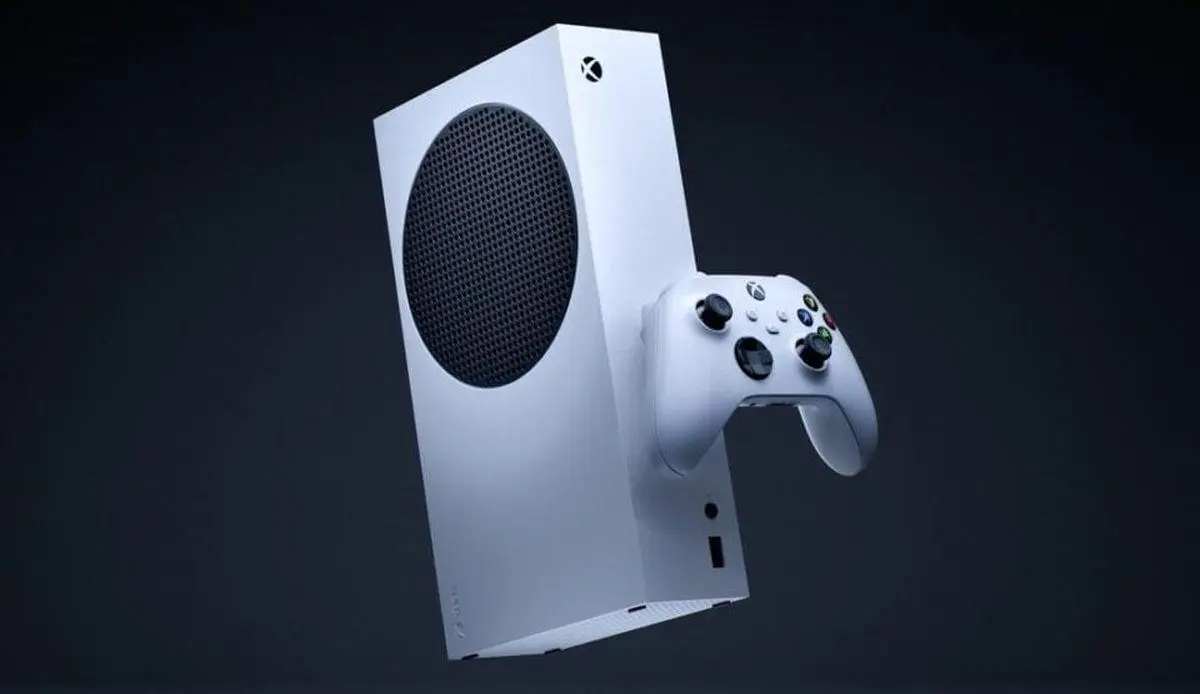
Activision and Bethesda gain control over Xbox creative direction
The core of this shift involves a "slow reverse acquisition" where acquired studios gain control over the Xbox legacy. Microsoft is reducing its internal game portfolio to focus on these large publishing structures rather than maintaining a broad first-party lineup. This reorganization aims to streamline decision-making but fundamentally alters the relationship between the platform holder and its developers.
Genre distribution is now assigned to specific divisions to align with each studio's strengths. Shooters will fall under Activision, RPGs to Bethesda, casual games to King, and racing games to Playground Games. This specialization allows each division to operate with greater autonomy but reduces the central Xbox team's direct involvement in genre creation.
The strategy faces risks as Game Pass subscription growth has not expanded the audience as expected. This lack of expansion may deter full-price game purchases, creating financial pressure on the new structure. Ninja Theory's failed attempts to sell the studio highlight the difficulties in monetizing expensive single-player projects within this new framework.
Analysts warn that excessive simplification of the structure could strip acquired studios of their individuality. Dr. Serkan Toto of Kantan Games notes that the failure of key future projects could lead Xbox into an even deeper crisis. The success of this reorganization depends on whether these divisions can maintain their unique identities while serving the broader Xbox ecosystem.
Source: IXBT

Discussion
0 comments