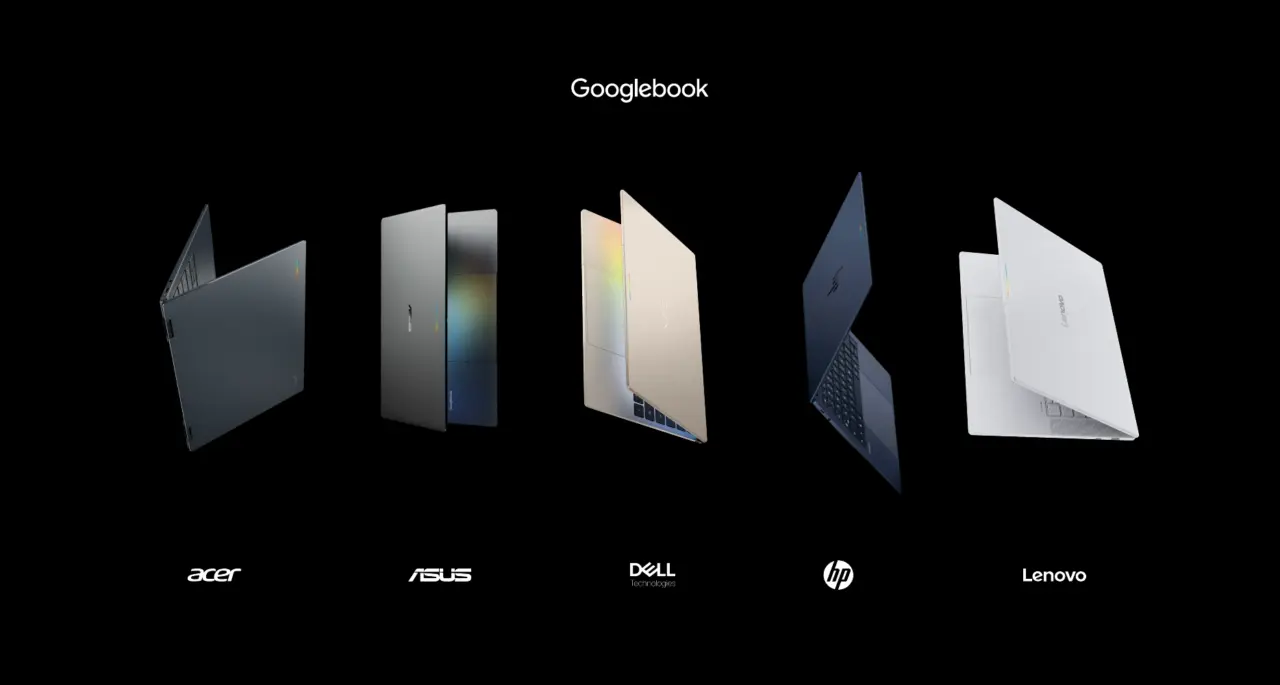
Google is introducing a new laptop operating system called Googlebook OS that merges Android, ChromeOS, and Linux into a single platform. This shift matters because it moves Android apps from virtualized containers to native execution, which should improve performance and battery life for users who rely on mobile applications on their laptops. The change signals a strategic pivot toward a more integrated ecosystem for premium hardware.
Native Android execution replaces virtualization in new platform
The core of Googlebook OS rests on the Android technology stack, but it incorporates desktop foundations inherited from ChromeOS. Unlike current Chromebooks that use the ARCVM virtualization layer to run Android apps, Googlebook OS executes Play Store applications as native apps. This architectural change allows the operating system to handle mobile software with greater efficiency and lower overhead.
Security and development environments form the technical backbone of the new platform. Google describes the system as featuring the first Level 5 security-certified hypervisor in a laptop platform. A pKVM-based hypervisor provides an isolated Linux environment that grants users full terminal access for development tasks. This setup ensures that Linux workloads run securely without compromising the host Android or ChromeOS layers.
The operating system targets the premium laptop market and aims to integrate tightly with Android phones. Key features include 'Continue' for task resumption, 'Quick Access' for file sharing, and 'Cast My Apps' for streaming Android applications to the desktop. Google promises quarterly feature and security updates for up to 10 years, mirroring the long-term support policies established for Chromebooks.
We tracked the internal codename 'Aluminium OS' during early development phases to understand the architectural goals. The platform distinguishes itself from standard Chromebooks by prioritizing native Android execution over virtualization. This approach positions Googlebook OS as a distinct product line designed for users who need both desktop productivity and mobile app compatibility.
Source: NotebookCheck


Discussion
0 comments