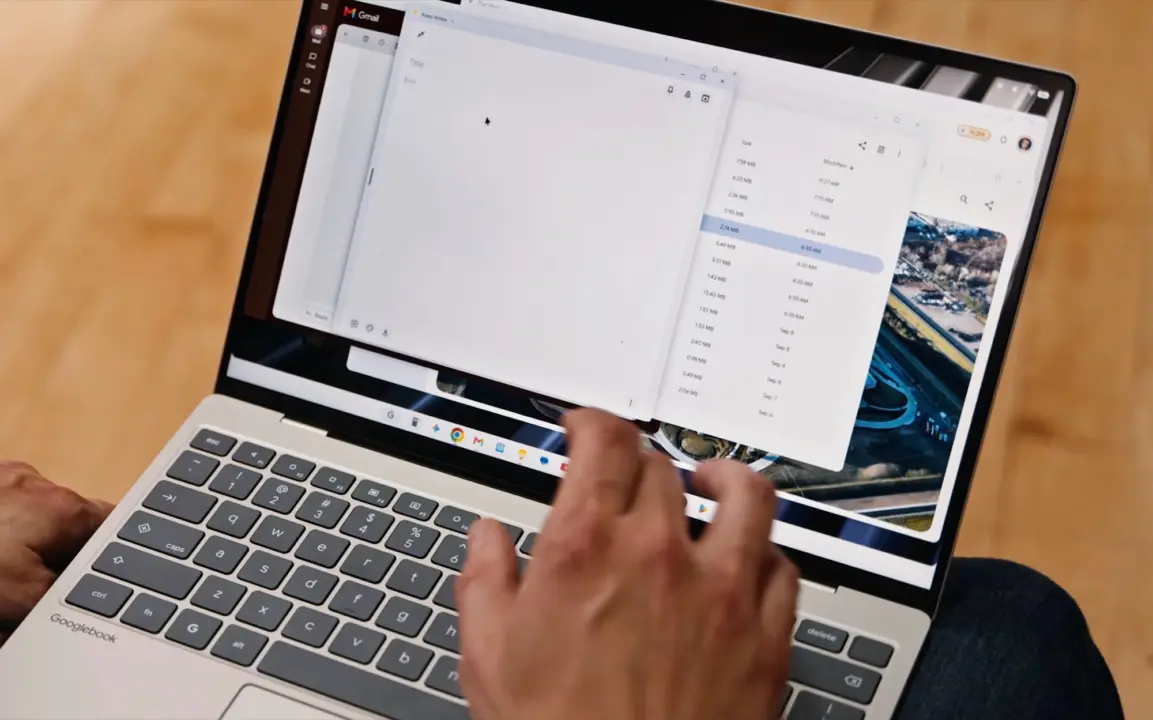
Google is shifting its laptop strategy by introducing Googlebook OS, a new operating system that replaces Chrome OS and natively supports conventional Android applications. This transition matters because it allows users to run mobile apps directly on their laptops, bridging the gap between mobile and desktop computing. Users who depend on Android applications for professional or leisure activities will experience a more cohesive workflow that eliminates the need for emulators or additional hardware.
Intel laptops face Android compatibility limits
The Googlebook platform relies on a specific hardware and software ecosystem to function as intended. Googlebook OS is designed to run conventional Android apps, but the experience varies depending on the processor architecture. The system supports cross-device features such as file system access, task transfer, notification sync, and screen streaming to the laptop display. These capabilities establish a cohesive ecosystem in which the laptop and smartphone function together as an integrated system.
Compatibility requirements are strict for these cross-device integrations. Many Googlebook features require an ARM-based CPU and a smartphone running Android 17. Google explicitly stated that many Googlebook features require ARM CPU and Android 17 smartphone. Intel-based Googlebooks face limitations with Android app compatibility compared to ARM-based models. Complex Android apps and games may require optimization updates to run smoothly on X86 processors.
Google has not published a list of Android apps that currently do not run smoothly on Intel laptops. Users with Intel-based devices should expect potential performance issues with unoptimized applications. When we covered the last Googlebook update, several of the same balance and stability themes came up. The developer is actively improving the operating system to enhance compatibility with a wider range of hardware setups.
Googlebook OS launches with native Android app support and a Linux terminal. The operating system marks a definitive shift away from Chrome OS for new Googlebook devices. Users must ensure they have an Android 17 smartphone and an ARM processor for the full feature set. The system is designed to deliver a smooth user experience for individuals who combine their mobile and desktop computing tasks.
Source: NotebookCheck