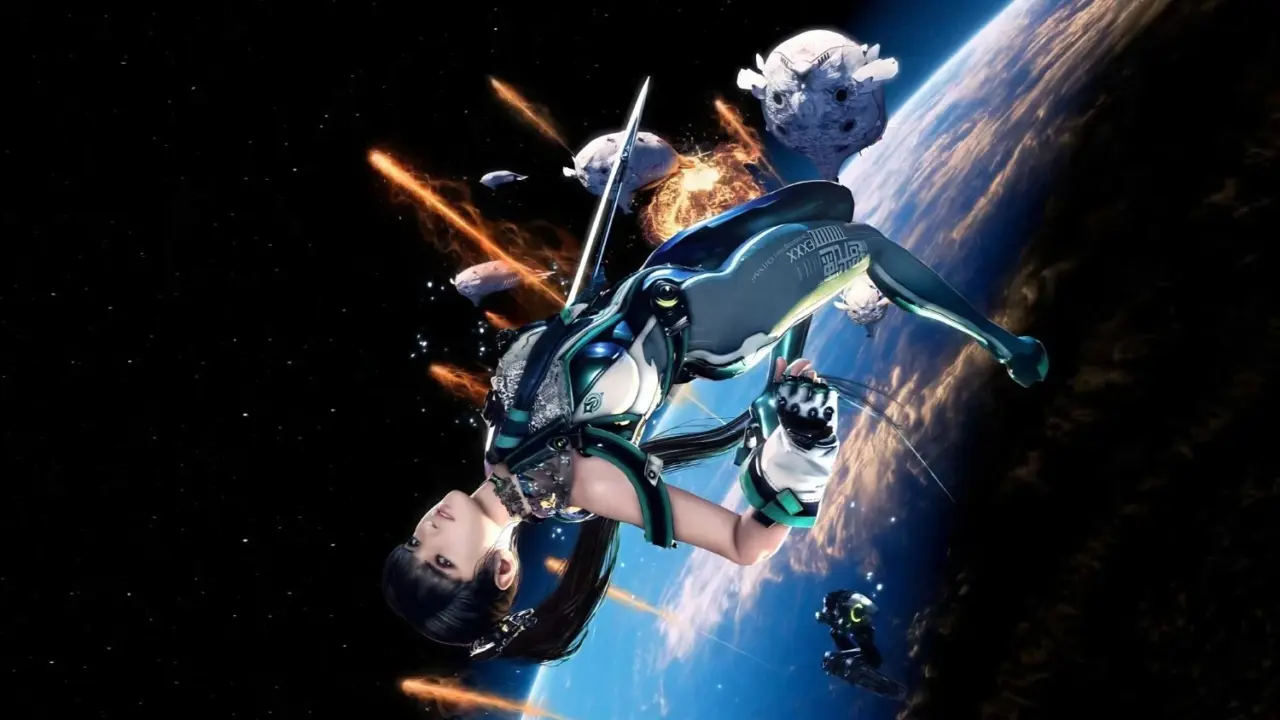
The Nintendo Switch 2 port of Stellar Blade targets a steady 60 frames per second in both docked and handheld modes. This performance goal matters to players who want consistent gameplay without the stuttering that often plagues console ports. Shift Up achieves this target by combining two different upscaling and frame generation technologies. The studio uses a custom NVIDIA DLSS model for image resolution and AMD FSR 3.1 for frame interpolation.
Shift Up combines custom NVIDIA DLSS with AMD FSR 3.1 frame generation
The game runs on a Switch 2 system chip based on NVIDIA's Ampere architecture. This architecture powers the GeForce RTX 30 Series and provides the necessary compute headroom for the hybrid rendering approach. Shift Up tailored a lightweight DLSS model specifically for this low-power hardware. The team then layers AMD's FSR 3.1 frame generation on top of the upscaled image to boost the frame rate.
DongKi Lee, the CTO and technical director at Shift Up, explained the technical pipeline in detail. He stated, "What we did was take AMD's FSR 3.1 for PC and used the feature called frame interpolation to achieve the target for 60 frames per second. We use DLSS for upscaling, and then use frame interpolation from FSR 3.1 to be able to target 60 frames per second." This combination allows the game to hit 1080p while docked and 720p in handheld mode.
Using frame generation introduces potential tradeoffs in visual quality and input response. The generated frames can produce artifacts and inconsistent frame pacing compared to native rendering. Players sensitive to input latency may notice a difference in how the game feels during fast-paced combat. The port relies on these technologies to meet its performance target, which means some visual compromises are expected.
We looked at the last Stellar Blade update earlier while tracking Shift Up's development progress. The current port focuses on technical execution rather than new content or story elements. The game ships with these specific rendering settings to ensure it runs on the new hardware. Players can expect a stable frame rate, though they should be aware of the frame generation artifacts.
Source: TweakTown