Modders have unlocked a new level of visibility into the thermal behavior of NVIDIA's upcoming GeForce RTX 50 Series graphics cards. This development matters because it gives PC builders and enthusiasts a way to verify memory cooling before final assembly. You can now check individual GDDR7 memory module temperatures instead of relying on broad GPU averages. This precision helps identify potential hotspots that might otherwise go unnoticed during stress testing.
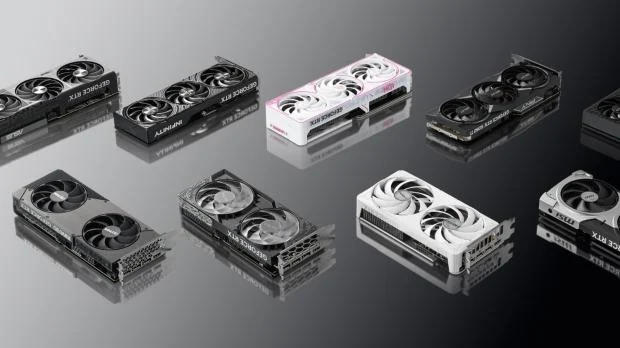
Modders use MMIO to track individual memory chip heat
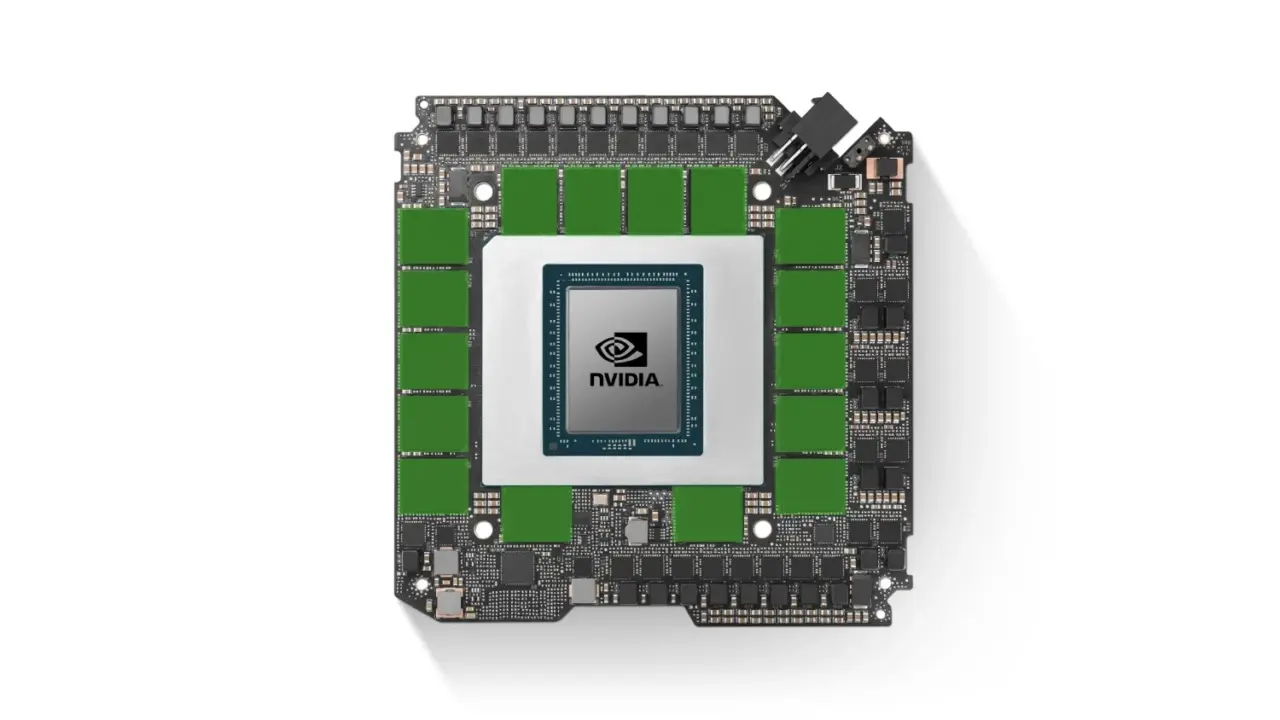
The technical breakthrough comes from the Paulo Gomes team, who discovered a method to access memory-mapped I/O (MMIO) registers. This technique allows monitoring software to map data directly to the physical memory modules surrounding the GPU die. The feature has been integrated into the latest beta version of HWiNFO, a popular system information tool. Additionally, a Hotspot.dll plugin developed by Asder00 brings this capability to MSI Afterburner for real-time overlay display.
- Memory Technology: GDDR7
- Monitoring Capability: Per-module temperature readings via MMIO
- RTX 5090 Configuration: 16 memory packages, 8 measurement points
- Supported Memory Types: GDDR6, GDDR6X, GDDR7
This monitoring solution supports GDDR6, GDDR6X, and the new GDDR7 memory types found in the RTX 50 Series. On the flagship RTX 5090 GPU, the configuration involves 16 memory packages but only eight measurement points. The system reports temperatures for paired GDDR7 modules, effectively halving the granularity compared to the total number of physical chips. This pairing structure is a specific hardware design choice that the software now accounts for in its readings.
It is important to note that this is an unofficial modding effort without official backing from NVIDIA. Official documentation does not currently cover all of the thermal sensors associated with GeForce RTX 50 Series memory. The modders developed this workaround to help users troubleshoot thermal pad contact issues and ensure proper cooling installation. This third-party tool provides critical data for builders who want to verify their hardware setup before committing to a final build.
Source: TweakTown