A new strategy game called Little Incrementisle has taken Steam by storm, proving that simple mechanics can drive massive player engagement. This release matters because it challenges the industry standard of free-to-play titles that rely on intrusive ads or microtransactions for revenue. The game's free-to-play structure, which includes no advertisements or microtransactions, has attracted a large player base.
The colony simulation game challenges free-to-play norms by rejecting ads and microtransactions
Developed by Little Incrementisle Developers, the game falls into the colony simulation genre where players gather wood and food to establish a small settlement. The core loop involves assigning villagers to various tasks and sailing to new islands that present unique conditions and random disasters. The gameplay involves gathering resources and assigning villagers to tasks within a colony simulation framework.
The game features a highly minimalist visual style that uses simple icons to represent islands, buildings, and villagers instead of detailed graphics. The game features a minimalist visual style with simple icons for islands, buildings, and villagers. The developers have confirmed that the game is completely free to play with absolutely no advertisements or microtransactions included in the base experience.
Early metrics show strong initial interest, with the title surpassing 25,000 downloads within its first day of release on Steam. The game reached a peak of nearly 2,300 concurrent players according to SteamDB data during its launch window. The game has received 433 Steam reviews with an 89% positive rating.
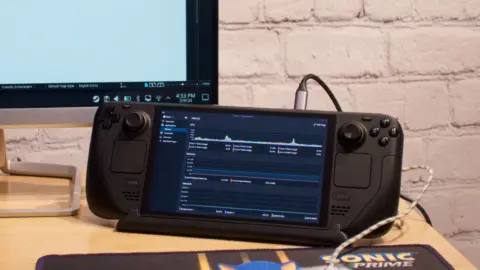
While the current offering is entirely free, it remains uncertain whether the developers will introduce monetization features in future updates. The game is currently available on Steam for PC, though its compatibility with handheld devices like the Steam Deck is listed as unknown. We looked at other viral indie hits earlier while tracking Steam trends, but this title stands out for its strict adherence to a no-microtransaction promise.
Source: NotebookCheck