Xiaomi has resumed its HyperOS update cycle after pausing for the Golden Week holiday, pushing 32 new software builds to users. This release matters because it restores the steady stream of security patches and stability fixes that keep older and newer devices running safely. Users with supported hardware should check their update settings to ensure they do not miss these critical maintenance releases.
Restores security patches and stability fixes for Xiaomi, Redmi, and POCO devices
The update wave targets a wide mix of Xiaomi, Redmi, and POCO devices across multiple regions including EEA, Global, Russia, Turkey, and China. Most of the new builds run on HyperOS 3, while a small number of older builds still operate on HyperOS 2. This broad distribution ensures that devices ranging from recent flagships to budget models receive necessary system-level improvements.
- Build Count: 32
- Security Patch Level: September 2026 (26 builds), August 2026 (6 builds)
- OS Version: HyperOS 3
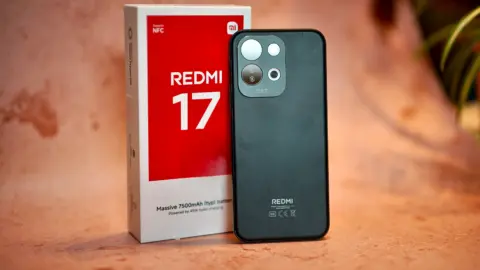
- Affected Devices: Redmi K50 Ultra, Xiaomi 12T Pro, Redmi Note 14 Pro 4G, POCO M7 4G, REDMI 15 4G, REDMI Note 15 Pro 4G, POCO C65, REDMI 13C, Redmi Pad Pro 5G, POCO C81, REDMI A7 Pro, POCO Pad, POCO F7 Ultra, REDMI K80 Pro, Redmi Note 12 NFC 4G, POCO F6 Pro, Redmi K70, POCO F7 Pro, REDMI K80, POCO C85 4G, REDMI 15C 4G, Redmi K60 Ultra, Xiaomi 13T Pro, Redmi Pad SE 8.7 Wi-Fi, POCO X7, Redmi Note 14 Pro, POCO M8 5G, REDMI Note 15 5G, POCO X7, Redmi 14R 5G, Xiaomi 13 Ultra, POCO C95 Pro, REDMI 17 4G
Security patch levels vary across the 32 builds, with 26 devices receiving the September 2026 patch and the remaining six carrying the August 2026 patch. The update includes specific build identifiers such as OS3.0.6.0.VLFEUXM for the Redmi K50 Ultra and OS3.0.305.0.WDTRUXM for the POCO C95 Pro. These version numbers help users verify that the correct regional build has been delivered to their specific hardware.
Affected devices include the Xiaomi 12T Pro, Redmi Note 14 Pro 4G, POCO M7 4G, and several other models like the Redmi Pad Pro 5G and POCO F7 Ultra. The update list also covers older hardware such as the Redmi K60 Ultra and Xiaomi 13 Ultra, ensuring long-term support for legacy devices. This wide range of compatibility demonstrates Xiaomi's continued commitment to maintaining its diverse ecosystem.
No official changelog details are available for these builds, so updates likely contain standard security fixes and stability improvements. When we covered the last HyperOS update, several of the same balance and stability themes came up. The absence of public feature lists suggests these releases prioritize system reliability over new user-facing capabilities.
Xiaomi confirmed the rollout of these 32 builds to resume post-holiday operations. The updates provide essential security patches for a broad range of devices across multiple global regions. Users should monitor their device settings for these incoming builds to maintain system integrity.
Source: GIZMOCHINA