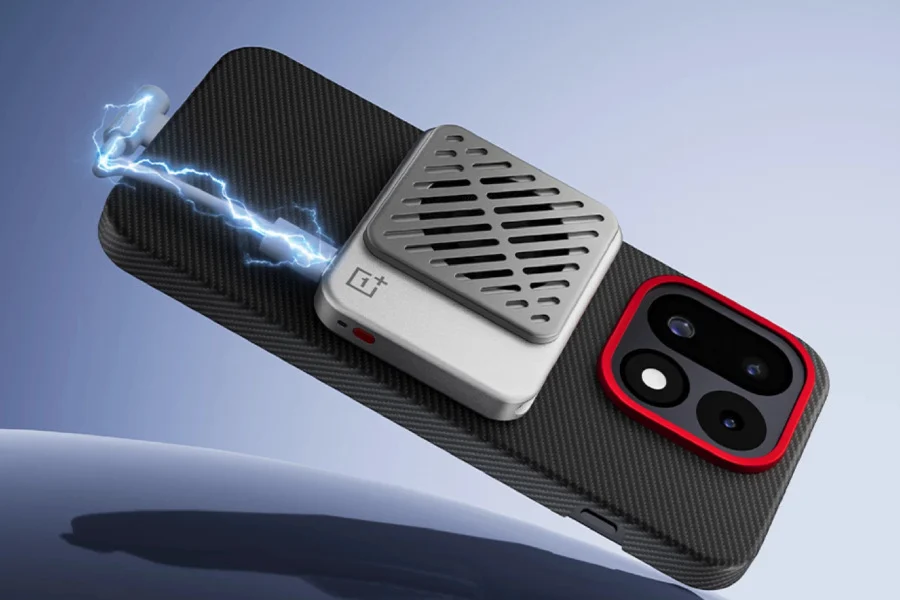
OnePlus has introduced a compact magnetic cooling accessory for smartphones, addressing the thermal limitations of high-performance mobile gaming. The Ice Card Mini Magnetic Cooler offers a dedicated active cooling solution for users who need to maintain device temperatures during intensive sessions. This release provides a tangible option for mobile gamers looking to prevent thermal throttling without relying solely on passive heat dissipation.
Compact magnetic cooling accessory weighs 50g and uses TEC chip for smartphone thermal management
The device is designed to attach magnetically to the back of smartphones, functioning as an external heat sink. It utilizes a combination of a TEC cooling chip and air cooling to actively draw heat away from the phone's chassis. The cooler is compatible with both Apple and Android devices, though non-magnetic phones require a separate magnetic plate included for attachment.
Specifications
- Dimensions: 70mm x 53.4mm x 9.7mm
- Weight: 50g
- Cooling Technology: TEC chip and air cooling
- Noise Level: 25dB (low) / 35dB (high)
- Power Input: USB-C, 5V at 0.7A
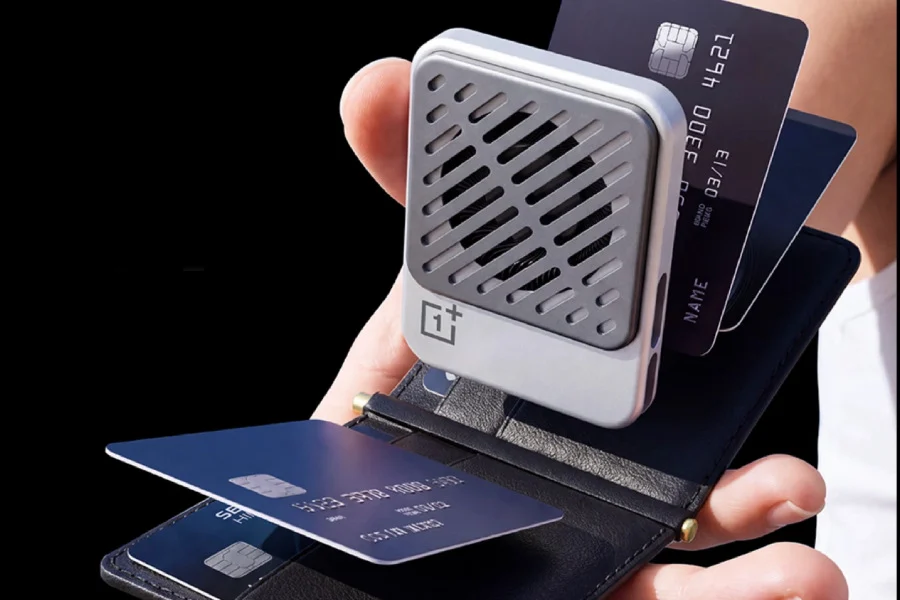
The unit measures 70mm by 53.4mm and weighs approximately 50g, making it comparable in size to a standard bank card. It connects via a USB-C port with a power input of 5V at 0.7A. The cooling system operates at 25dB on the low setting and reaches about 35dB on the high setting, providing quiet operation during use.
OnePlus states that a 10,000mAh power bank can run the cooler for up to eight hours on the high setting. The accessory is available in a single color called Silver Wing Grey. Official release in China is scheduled for October 12 at 19:00, with the final retail price yet to be announced.
A previous model from the company launched at 229 YUAN (around $34.10), providing a potential price reference for this new iteration. The Ice Card Mini represents a focused effort to extend mobile gaming performance through targeted thermal management. Users can expect a lightweight, portable cooling solution that integrates directly with their device's back panel.
Source: GIZMOCHINA
Discussion
0 comments