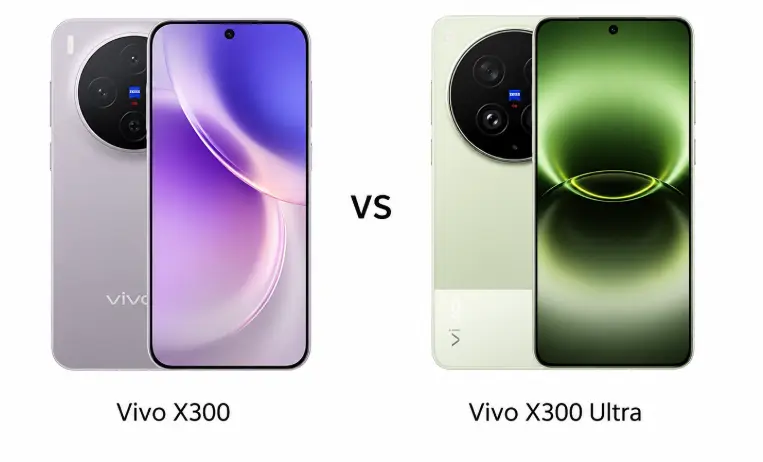
Vivo is preparing to launch two new flagship smartphones, the Vivo X300 and the Vivo X300 Ultra, which offer distinct performance profiles for different user needs. The standard X300 targets users who prioritize efficiency and a compact form factor, while the Ultra model caters to photography enthusiasts who demand the highest possible image quality and display fidelity. These devices represent a clear split in Vivo's strategy, allowing buyers to choose between a balanced daily driver and a specialized camera powerhouse.
Comparing the MediaTek and Snapdragon flagship smartphones
The Vivo X300 is powered by the MediaTek Dimensity 9500 processor built on a 3nm process, which drives its 6.31-inch LTPO AMOLED display. This screen supports a 120Hz refresh rate and delivers a resolution of 1216×2640 pixels with HDR10+ and HDR Vivid support. The device is designed for users who want a manageable size without sacrificing smooth visual performance in apps and media consumption.
Spec comparison
| Spec | Vivo X300 | Vivo X300 Ultra |
|---|---|---|
| Processor | MediaTek Dimensity 9500 | Snapdragon 8 Elite Gen 5 |
| Display | 6.31-inch 120Hz | 6.82-inch 144Hz |
| Main Camera | 200MP with OIS | 200MP with gimbal OIS |
| Battery | 6,040mAh | 6,600mAh |
| Price | Around $910 | Around $1,500 |
In contrast, the Vivo X300 Ultra uses the Snapdragon 8 Elite Gen 5 chip to power a larger 6.82-inch LTPO AMOLED panel. This display operates at a 144Hz refresh rate with a QHD+ resolution of 1440×3168 and includes Dolby Vision certification. The Ultra model also features a more advanced camera system with a 200MP main sensor that uses gimbal optical image stabilization, alongside a 200MP periscope telephoto lens with 3.7x optical zoom and macro capabilities.
Both devices run on Android 16 with Vivo's OriginOS 6 interface and are confirmed to receive five years of Android upgrades. The standard X300 includes a 6,040mAh battery with 90W wired and 40W wireless charging support. The X300 Ultra expands on this with a 6,600mAh battery, 100W wired charging, reverse wireless charging, and satellite SOS connectivity for emergency situations.
Pricing for the Vivo X300 starts around $910, while the Vivo X300 Ultra is listed at approximately $1,500. These prices position the X300 as a premium mid-range option and the Ultra as a top-tier competitor in the high-end smartphone market. We looked at Vivo Android 17 Update List in our earlier Vivo coverage to understand the software lifecycle for these devices.
The Vivo X300 and X300 Ultra are confirmed consumer products with final specs based on available data. Buyers should verify details from official sources before purchasing, as actual performance may vary from the listed specifications.
Source: GIZMOCHINA