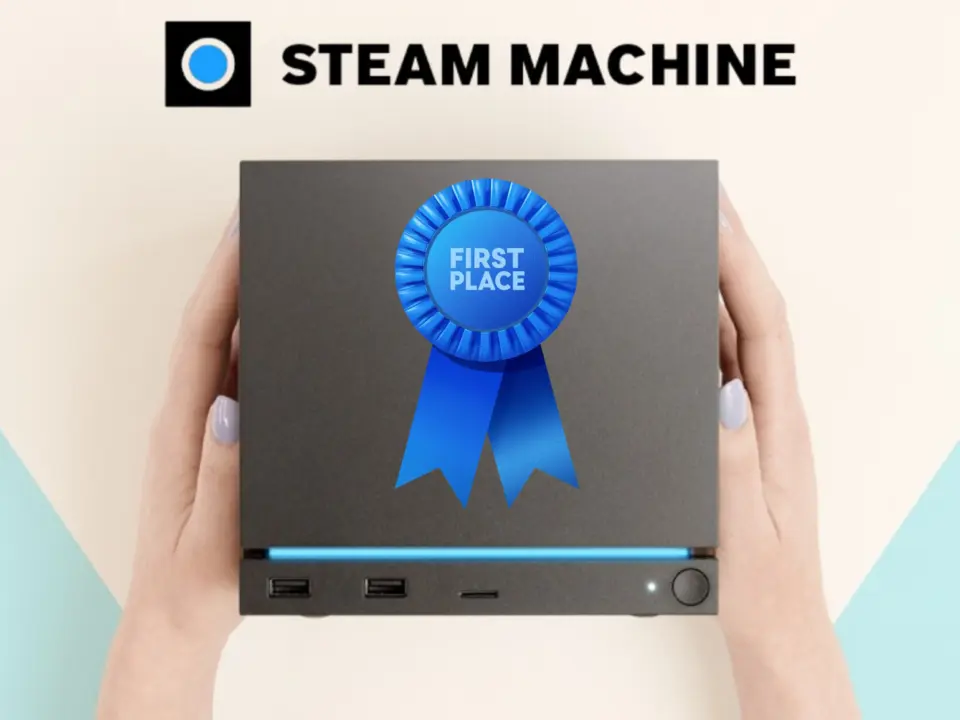
Valve's Steam Machine mini PC has claimed the No. 1 spot on the US Steam top sellers chart, driven by its high price point and strong initial demand despite mixed critical reception. This revenue-driven success signals strong interest from buyers willing to pay a premium for compact hardware, even as performance critiques and supply constraints limit broader accessibility. Gamers are facing a choice between paying over $1,000 for a console alternative or waiting for supply to stabilize.
Revenue-driven success signals strong demand despite mixed reviews
The ranking reflects total revenue rather than unit sales, allowing the $1,049 device to sit above free-to-play titles like Marvel Rivals and Counter-Strike 2. Valve uses a reservation system in the US to manage this demand, while Asian markets saw instant sell-outs without reservations. Scalpers in Asia are already reselling the hardware for prices exceeding $3,000, highlighting the gap between retail availability and actual consumer access.
The Steam Machine benefits from its position in the hardware market, where higher per-unit costs directly boost chart rankings compared to software. The Steam Deck handheld is ranked 5th, up one spot from the previous week, showing steady interest in Valve's portable lineup as well. This distribution of attention across both desktop and handheld form factors indicates a broad engagement with the Steam ecosystem.
It is unclear what impact the middling in-game performance and reviews will have on longer-term sales. The high initial demand suggests that early adopters are prioritizing the form factor and ecosystem integration over raw power metrics. Buyers interested in the device must navigate limited availability and inflated secondary market prices in regions where reservations are not offered.
We looked at the last Steam Machine update earlier while tracking NVIDIA launches, where several of the same balance and stability themes came up. The current chart performance confirms that Valve's hardware strategy is gaining traction among dedicated users. The market response validates the premium pricing model, even as long-term sustainability remains to be seen.
Source: NotebookCheck