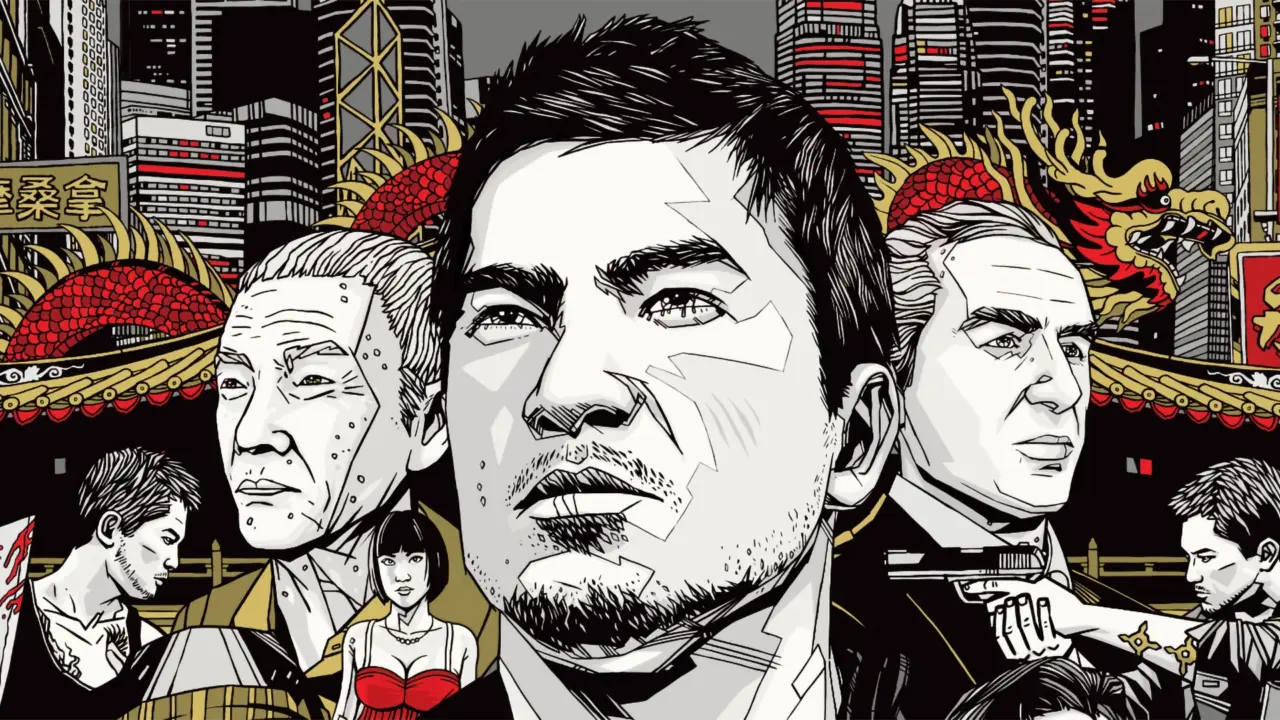
A potential Sleeping Dogs sequel remains a distant possibility rather than an active project. Former designer Alastair Cornish suggests that reviving the franchise would require a rare alignment of passionate talent and strict cost controls. This reality matters to fans who have waited over a decade for a return to the series, as it highlights the steep financial hurdles facing modern open-world development.
Former designer Alastair Cornish outlines steep financial hurdles for a franchise return
Cornish, who served as the former designer on Sleeping Dogs and currently holds the role of VP of design at Splash Damage, provided these insights while reflecting on the franchise's history. He noted that the original developer, United Front Games, faced significant challenges in Vancouver. The studio struggled with high development costs and substantial overheads that ultimately impacted the project's viability.
The path to a sequel has been blocked by multiple cancellations over the years. Sleeping Dogs 2 was officially cancelled in early 2013 due to the financial pressures mentioned above. A separate spin-off title, Triad Wars, also failed to launch after beta testing concluded in late 2015. These setbacks underscore the difficulty of sustaining the franchise's specific design vision in the current market.
Cornish argues that future open-world games should prioritize tightly focused environments over chasing larger map sizes. He believes that controlling scope is essential for managing costs and maintaining quality. Actor Simu Liu has expressed a desire to see a Sleeping Dogs movie followed by a sequel game, reflecting the ongoing interest in the IP. Meanwhile, Donnie Yen has stated that the film adaptation has effectively been cancelled, leaving the game as the primary hope for fans.
We've been tracking Sleeping Dogs closely — see our earlier coverage on Sleeping Dogs 2011 Prototype Leaked, Now. The franchise's status remains defined by these historical cancellations and the designer's cautious outlook. Fans hoping for a revival must wait for a shift in development economics or a rare convergence of creative and financial conditions.
Source: VideoGameChronicles