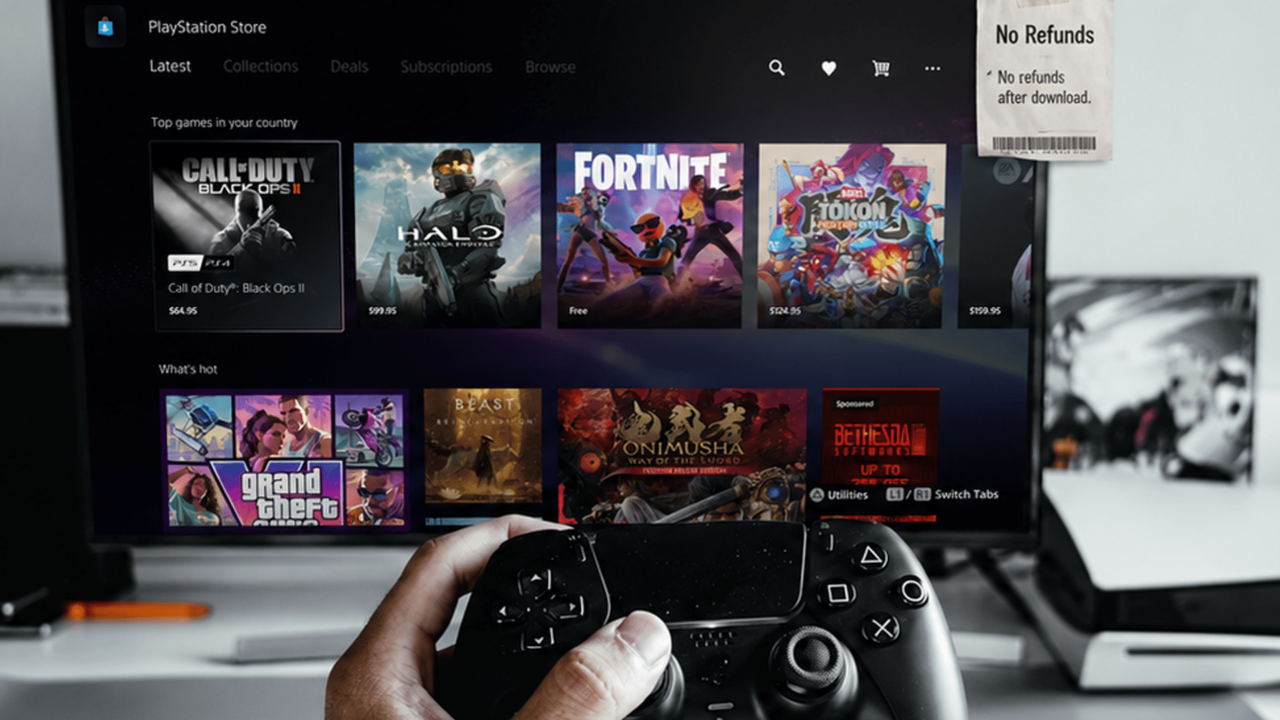
Sony is moving forward with a disc-free gaming future, a shift that leaves many players frustrated by the current limitations of the PlayStation Network Store. The digital storefront, which has been in operation since 2006, lacks essential features that modern gamers expect from a primary purchasing platform. This gap between Sony’s strategic direction and the actual user experience makes the transition to digital-only consoles significantly more difficult for consumers. Buyers who rely on digital libraries will find the existing infrastructure rigid and difficult to navigate for basic account management tasks.
Wallet caps and strict refund rules complicate the shift to digital-only gaming
The PlayStation Network Store serves as the central hub for all digital transactions on Sony’s consoles, yet it operates with outdated constraints. The platform enforces a wallet cap of $350, which restricts how much money users can store for future purchases. Shoppers can only hold ten items in their cart at any given time, forcing them to make decisions quickly or abandon items. These structural limits create friction for users who want to manage their digital libraries or prepare for sales events without constant interruptions.
Refund policies on the PlayStation Network are notably stricter than those found on competing PC platforms like Steam. Sony blocks refunds for any game that has been downloaded, even if the user has not played it for a single minute. Users cannot process these refund requests directly from their console interface. Instead, they must use a web browser or the mobile app to initiate the cancellation, adding an unnecessary step to the customer service process. This workflow forces players to leave their gaming environment to resolve simple billing issues.
Account management on the PSN is equally restrictive, particularly regarding how users share their libraries with family or friends. The system limits active accounts to only two, and sharing access requires users to exchange passwords directly. The store also does not support game gifting, currency exchange, or easy changes to account regions. These limitations prevent users from managing their digital assets with the flexibility they have come to expect from other digital entertainment services.
We looked at Sony Closes PS3 and Vita Stores in our earlier Sony coverage. The current state of the PSN Store highlights a broader trend of Sony consolidating its digital ecosystem while neglecting user-friendly features. As the industry moves away from physical media, the lack of basic storefront utilities becomes a more significant barrier for consumers. The platform needs substantial updates to align with the expectations of a fully digital gaming future.
Source: MP1ST