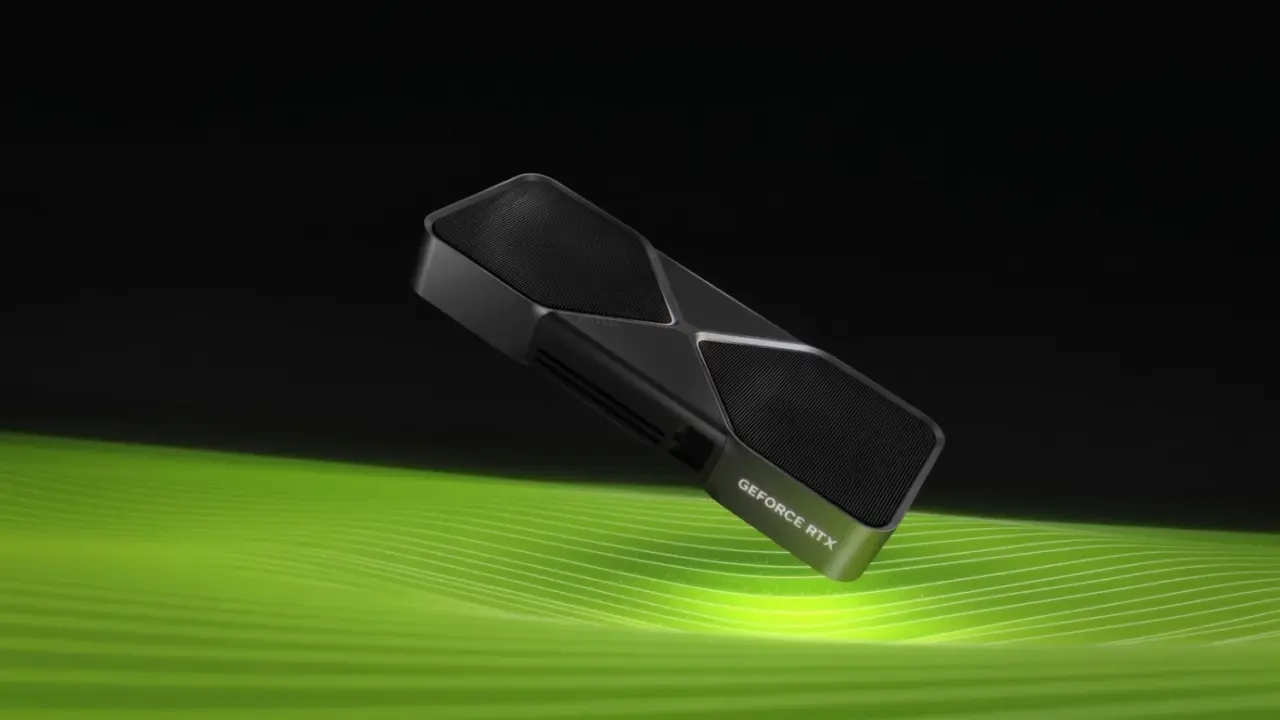
NVIDIA's next-generation GeForce RTX 60 GPUs are reportedly slipping to a 2028 launch. This delay breaks the company's decade-long habit of releasing new consumer graphics cards every two years. PC gamers who plan to upgrade their systems in the near future will need to adjust their expectations for hardware refreshes. The shift suggests a longer wait for performance gains in the mainstream market.
Supply constraints and data center priorities push consumer GPUs back
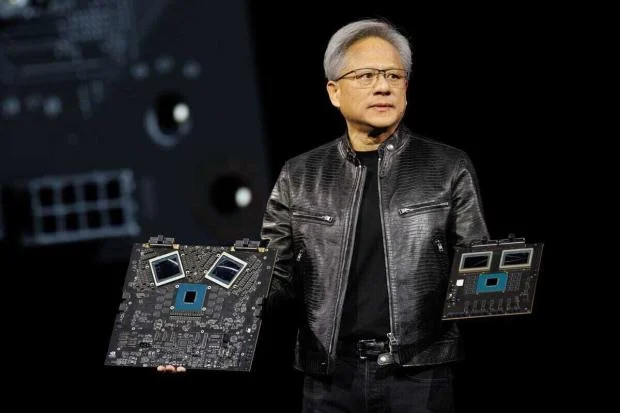
The timeline change stems from a combination of supply chain constraints and internal corporate priorities. Global memory shortages have created bottlenecks that affect component availability for consumer products. NVIDIA is simultaneously prioritizing its lucrative data-center hardware over consumer graphics. The company's next-generation data-center roadmap, known as Vera Rubin, is currently in full production.
TSMC packaging constraints and rising memory prices are cited as additional factors contributing to the delay. These technical and economic pressures are forcing NVIDIA to reconsider its consumer release schedule. The delay impacts the entire PC gaming hardware cycle, as AMD faces similar challenges. The industry is adjusting to a new reality where rapid annual or biennial updates are no longer guaranteed.
AMD's next-generation RDNA 5 family is also reportedly delayed to 2028, according to leaker Kepler_L2. The only exception is the AT2 chiplet, which is still scheduled for release to power Microsoft's Project Helix console. This parallel delay highlights the widespread nature of the supply chain issues affecting both major GPU vendors. Consumers should expect a gap in new high-end graphics releases until at least 2028.
The original rumors suggested an earlier release in the first half of 2027. Leaker kopite7kimi on X has now confirmed the shift to 2028 for NVIDIA's consumer GPUs. This confirmation aligns with the broader industry trends regarding memory and packaging constraints. The delay is a significant deviation from NVIDIA's historical release cadence and will impact planning for PC builders and enthusiasts.
NVIDIA is focusing its current resources on the Vera Rubin data-center roadmap. This strategic choice prioritizes high-margin server hardware over consumer graphics cards. The result is a two-year gap in new GeForce GPU releases for the general market. Gamers and creators will need to wait until 2028 for the next major consumer graphics architecture.
Source: TweakTown



Discussion
0 comments