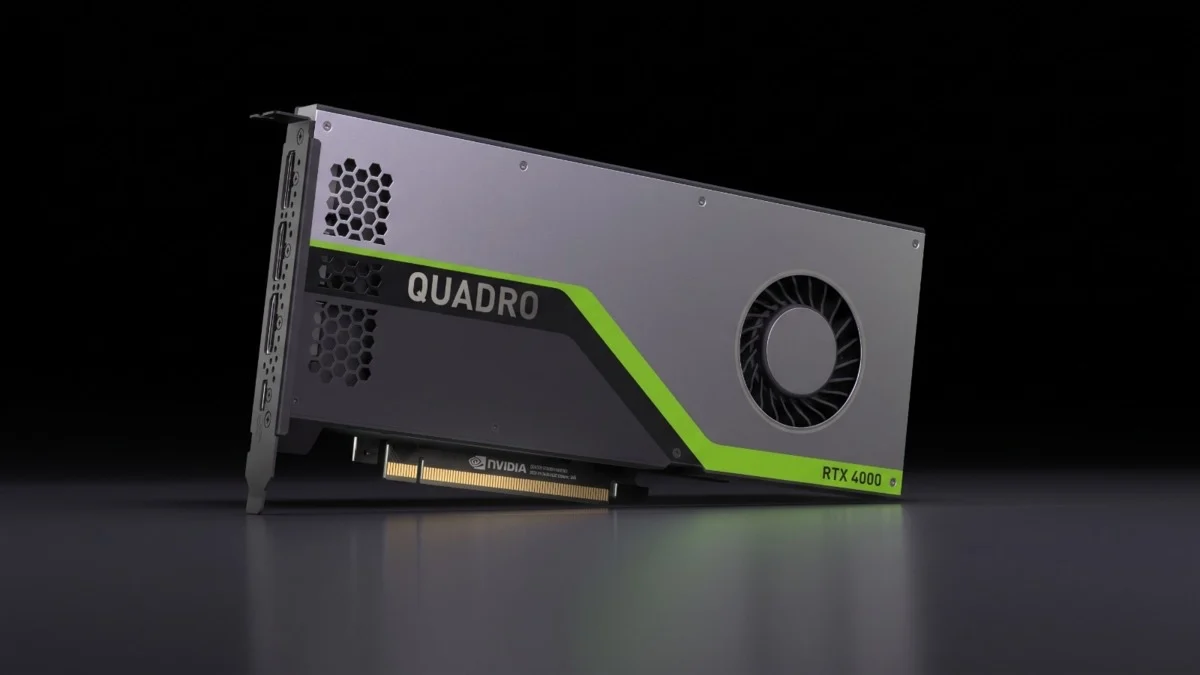
An enthusiast has reportedly pushed the NVIDIA Quadro RTX 4000 far beyond its factory limits, challenging the assumption that workstation cards cannot handle extreme overclocking. This story matters because it demonstrates that older professional hardware can still offer significant performance gains for DIY builders willing to modify power limits and cooling setups. The experiment suggests that the Quadro RTX 4000 has substantial headroom that NVIDIA typically restricts through software and hardware safeguards.
Shunt modification and homemade cooling enable extreme overclock claims
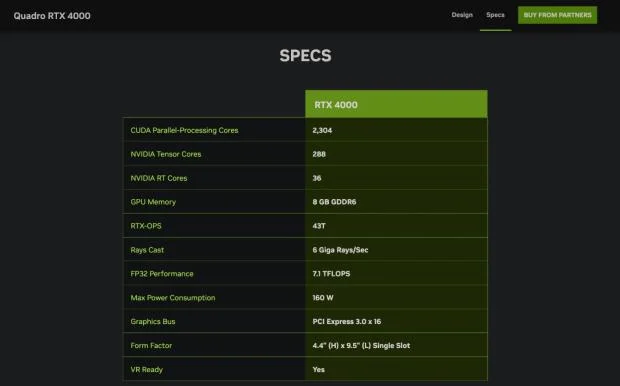
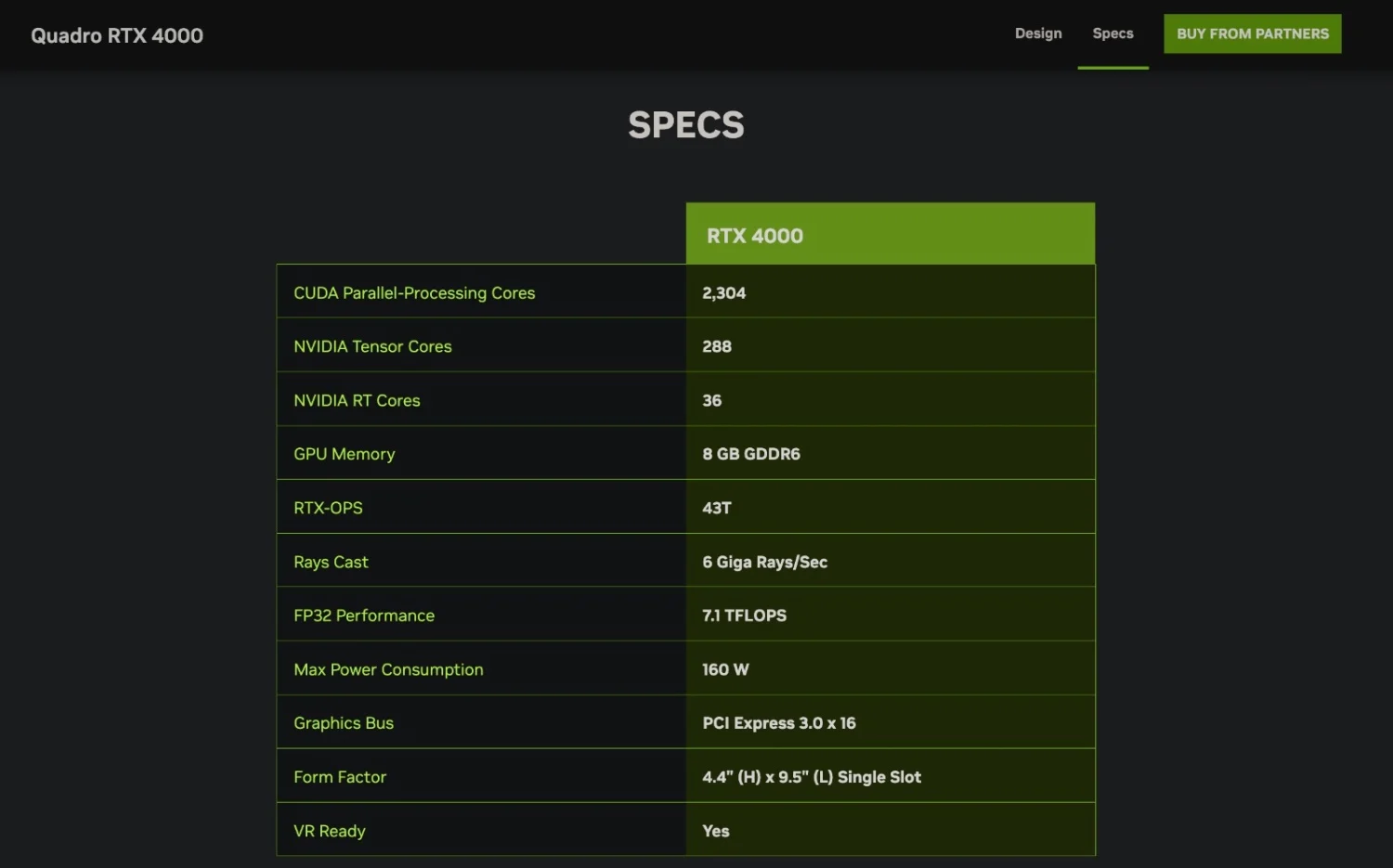
The subject of this modification is the NVIDIA Quadro RTX 4000, a workstation GPU featuring 2,304 CUDA cores and 8GB of GDDR6 memory. NVIDIA originally rated this card with a 160W total board-power limit and a boost clock of 1,545MHz. The enthusiast used a shunt modification to bypass the standard power constraints, allowing the GPU to draw significantly more energy than intended. This hardware change is the primary mechanism that enables the higher clock speeds achieved in the experiment.
Specifications
- CUDA Cores: 2,304
- Memory: 8GB GDDR6
- TDP: 160W
- Boost Clock: 1,545MHz
- Overclocked Clock: 2,010MHz
The modified card reportedly reached a core clock of 2,010MHz, which is roughly 30% higher than the factory specification. The user claims the shunt modification raises the effective power ceiling to approximately 360W, more than double the original 160W rating. To manage the heat generated by this massive power increase, the builder employed a homemade liquid-cooling loop using a $5 Alienware all-in-one cooler. The enthusiast reports peak gaming temperatures of just 68°C under this heavy load.
We have previously covered NVIDIA RTX 5090 Laptop GPU Power adjustments, showing that power limit modifications are a recurring theme in enthusiast communities. However, the Quadro RTX 4000 experiment differs because it involves physical hardware modification rather than software tools. The reported performance gains come at the cost of voiding warranties and potentially reducing the card's long-term reliability. This approach is only suitable for users who have spare hardware and understand the risks of exceeding component specifications.
TweakTown reported the claim, but no photographic or benchmark evidence has been provided to substantiate the experiment. The 360W power figure remains a calculated estimate rather than a result verified through independent power measurements. Until independent verification occurs, these results should be treated as a theoretical maximum rather than a guaranteed outcome. The story highlights the potential of unlocked workstation silicon but lacks the concrete data needed for broader adoption.
Source: TweakTown

Discussion
0 comments