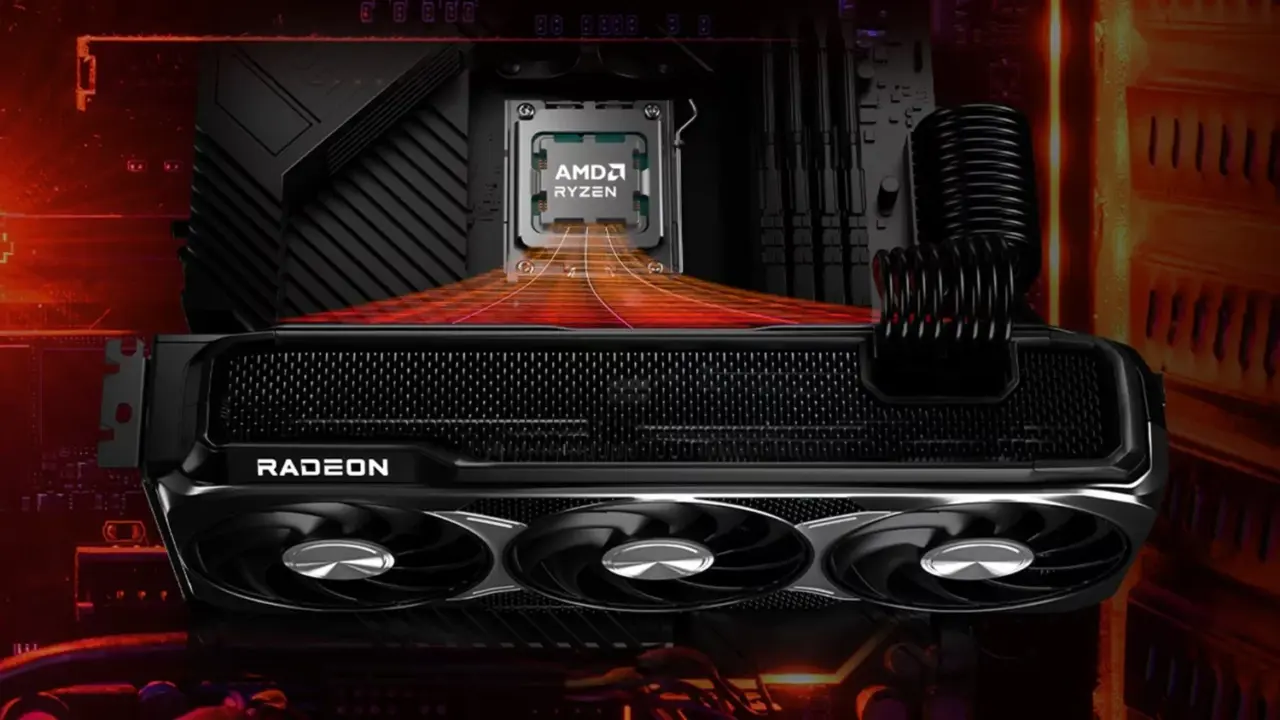
A modder has successfully run NVIDIA's DLSS 4.5 upscaling technology on AMD's upcoming RDNA 4 graphics cards. This technical feat matters to PC gamers because it demonstrates that NVIDIA's frame generation tools can bypass official vendor locks, even if the current implementation is not ready for daily gaming. The solution relies on translating proprietary code to work with AMD's new hardware architecture.
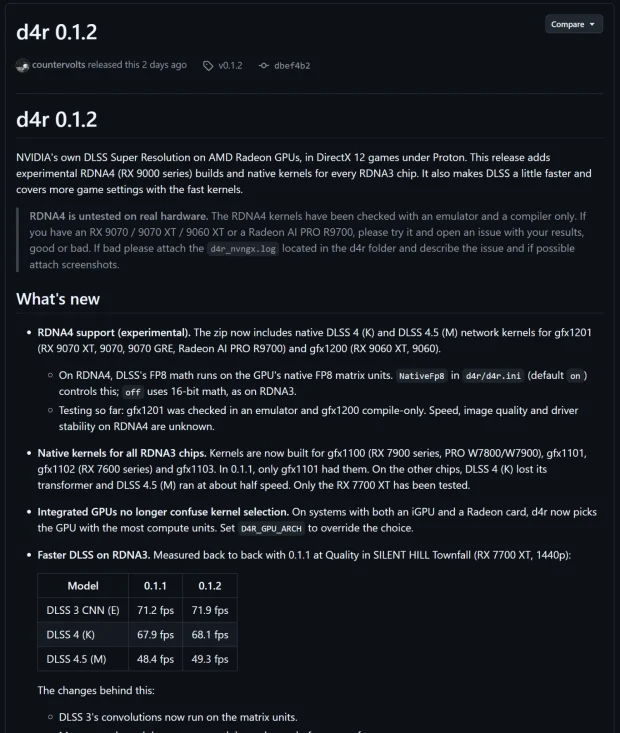
Technical feat demonstrates cross-vendor upscaling on RDNA 4 hardware
The project, dubbed 'dr4' or DLSS 4 Radeon, targets the entire RX 9000 series lineup. It supports specific models including the RX 9070 XT, RX 9070, RX 9070 GRE, RX 9060 XT, RX 9060, and the Radeon AI Pro R9700. The modder achieved this by combining ZLUDA compatibility layers with hand-written code and FP8 instructions to bridge the gap between NVIDIA's software and AMD's silicon.
The underlying mechanism requires significant system-level patches that are not yet publicly available. The mod depends on unreleased ZLUDA and Proton updates to function, which limits its immediate utility. Consequently, the solution remains a proof of concept rather than a practical driver update for consumers. It highlights the technical complexity of cross-vendor software translation.
Performance benchmarks on the tested hardware show the mod struggles to compete with native alternatives. The frame generation quality and speed are significantly lower than AMD's own FSR 4 technology. Even older DLSS 3 models run more efficiently on the same AMD GPUs. This marks the first time DLSS 4 and previous versions have been modded to operate on AMD graphics cards.
Our coverage of the last DLSS update highlighted similar themes of balance and stability across different platforms. This new mod continues that trend by showing how software can be repurposed across hardware boundaries. The technical achievement stands apart from official driver releases, which remain vendor-specific. Users seeking cross-compatibility should monitor for official support instead of depending on experimental modifications.
Source: TweakTown
Discussion
0 comments