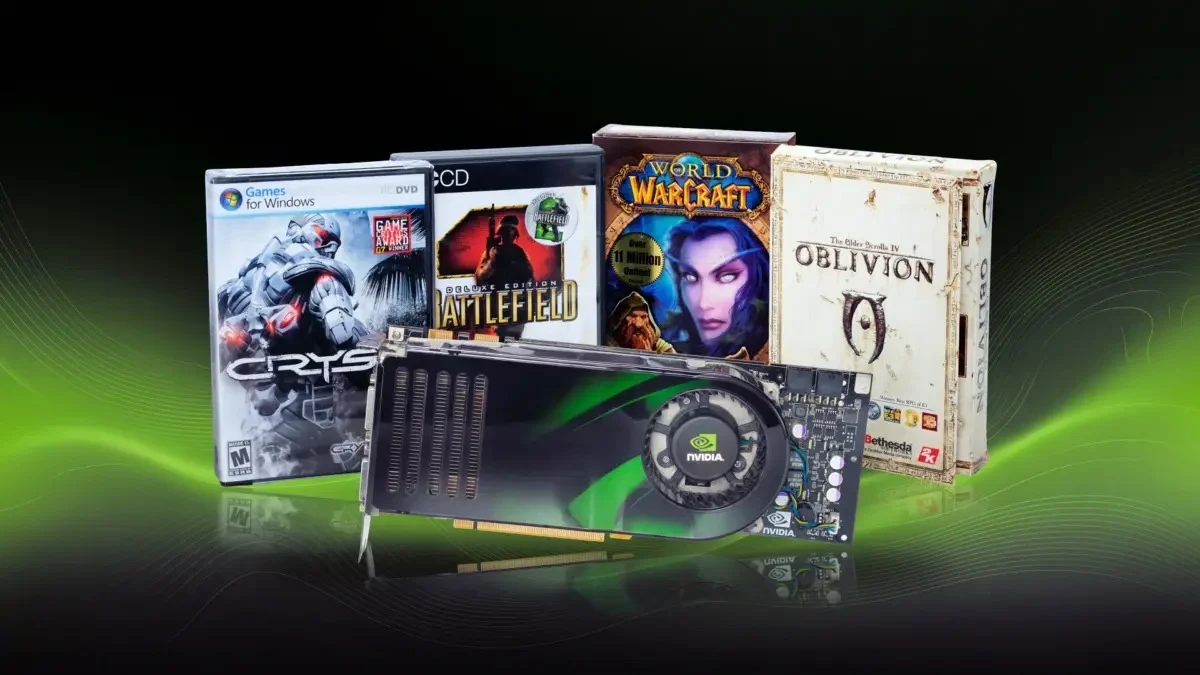
NVIDIA marks the 20th anniversary of the GeForce 8800 GTX, a graphics card that fundamentally changed how we process visual data. This milestone highlights the moment the industry shifted from fixed-function hardware to programmable shaders. Gamers and developers now have a clearer view of the architectural roots behind modern rendering techniques.
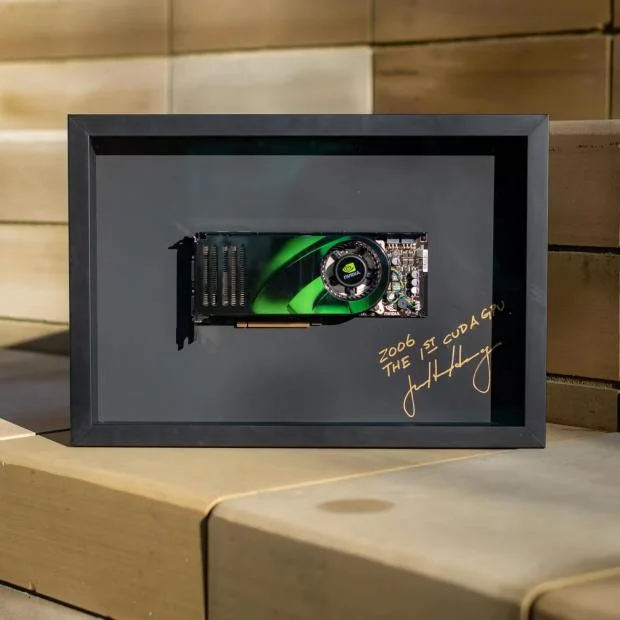
NVIDIA marks the 20th anniversary of the GeForce 8800 GTX
The 8800 GTX arrived on November 8, 2006, as NVIDIA's first DirectX 10 capable GPU. It introduced the G80 architecture, which replaced older pipeline designs with a fully unified shader model. This change allowed the card to handle complex visual tasks more efficiently than its predecessors.
Specifications
- Architecture: G80
- CUDA Cores: 128
- Core Clock: 575MHz
- Shader Clock: 1.35GHz
- Memory: 768 MB GDDR3
Technical specifications for the original 8800 GTX included 128 stream processors running at a shader clock of 1.35GHz. The core clock operated at 575MHz, driving the processing power behind the unified architecture. Memory management relied on 768 MB of GDDR3 memory connected via a 384-bit bus. This configuration delivered 86.4 GB/s of bandwidth to support high-resolution textures.
NVIDIA is commemorating this hardware milestone by distributing limited quantities of GeForce Trading Cards Series 1. These physical items serve as collectibles for enthusiasts who remember the card's launch era. The unified shader design also enabled general-purpose GPU computing through CUDA, which later drove advances in scientific computing and AI.
The GeForce 8800 GTX launched with a price tag of $599, positioning it as a premium option for early adopters. This cost reflected the significant engineering leap required to implement the G80 architecture. Today, the card remains a reference point for understanding the evolution of GPU technology.
Source: TweakTown

Discussion
0 comments