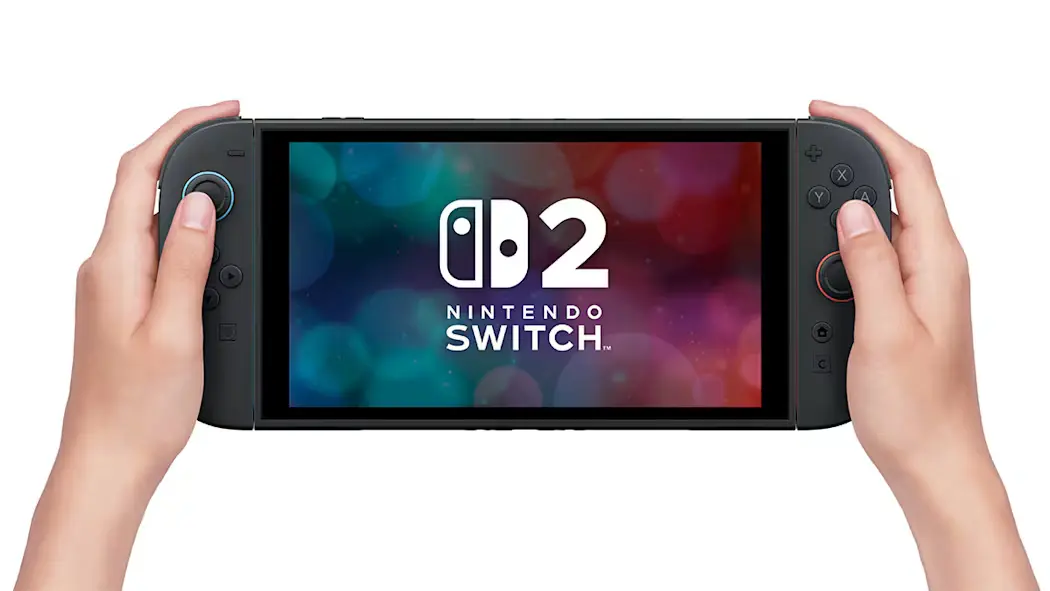
Nintendo is raising the price of the Switch 2 console across four major markets, a move that directly impacts anyone planning to buy the system in the coming months. The US MSRP will climb from $449.99 to $499.99 starting September 1, 2026. This adjustment comes as the company faces a sharp decline in hardware sales, with unit volumes dropping 39% in July alone. Buyers will need to budget an extra $50 for the base model if they purchase after the deadline.
Base model costs climb globally while unit volumes fall sharply
The price hike applies specifically to the standalone 256GB base model of the Switch 2. Nintendo cited 'various changes in market conditions' as the reason for the increase. The company did not specify which components drove the cost, though independent reports link the hike to memory or component prices. This follows a similar trend in other regions where the console has already seen adjustments.
- US MSRP (Old): $449.99
- US MSRP (New): $499.99
- Canada MSRP (Old): C$629.99
- Canada MSRP (New): C$679.99
- Europe MSRP (Old): €469.99
In Canada, the price rises from C$629.99 to C$679.99, which translates to around $490 USD. European buyers will see their costs go from €469.99 to €499.99, or approximately $583 USD. Japan saw an earlier increase on May 25, moving from ¥49,980 to ¥59,980, roughly $377 USD. The US adjustment is the most recent, taking effect next week.
Market data from Circana shows that while console unit sales fell 39% in July, average prices rose 16%. This divergence suggests that consumers are paying more for fewer units. The price increase occurs even as the console takes a hit in sales volume. We've been tracking Nintendo Switch 2 closely — see our earlier coverage on Nintendo Raises Switch 2 Price to.
Nintendo will implement the new US pricing on September 1, 2026. The change affects the official MSRP before sales tax. Shoppers waiting for a discount will find the base model more expensive than expected. The company continues to adjust its pricing strategy in response to market conditions.

Source: NotebookCheck