The Blood of Dawnwalker does not include official support for NVIDIA's DLSS 5 Neural Rendering. We tested the technology using a third-party mod to see if it improves visuals or introduces artifacts. This distinction is important because players seek high-fidelity graphics without relying on unofficial modifications that could compromise system stability.
Unofficial neural rendering creates visual artifacts on character faces
Our test configuration featured an AMD Ryzen 9 7950X3D processor paired with 32GB of DDR5 RAM running at 6000MHz. We installed Windows 10 64-bit and used the GeForce 616.92 driver to ensure the system matched the source's testing environment. The GPU in question is the NVIDIA GeForce RTX 5080, which serves as the primary rendering engine for this analysis.
We ran the game at 4K resolution with Ultra graphics settings enabled. The DLSS 5 Neural Rendering mod applies image enhancement before the standard Super Resolution step. This configuration enables the isolation of the neural rendering layer's visual impact from the upscaling process.
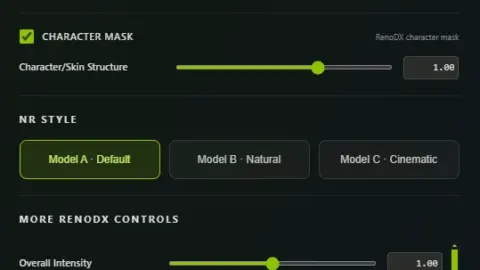
The results show mixed outcomes for visual quality. The DLSS 5 Neural Rendering improves overall scene detail but creates an 'oily' appearance on character faces when using default settings. We achieved 47 FPS at 4K/Ultra with DLSS Performance Mode, which provides smooth gameplay but does not transform the title into a next-generation experience.
We looked at The Blood of Dawnwalker PC Stutters, while tracking earlier performance issues with the title. The game lacks native DLSS 5 support, so users must rely on the DLSS Unlocked mod based on OptiScaler to access these features. The technology enhances visuals but does not fully resolve the game's visual shortcomings compared to other Unreal Engine 5 titles.


Discussion
0 comments