
Motorola has the Moto One back in play. And it's got some high-end guts. That means it could be a game-changer for those chasing a flagship Android.
Motorola revives the Moto One name with flagship specs and Qi2 charging
This handset is all about top-tier Qualcomm chips and plenty of memory. The fact that Motorola is reviving the Moto One brand shows a clear strategy to dive deeper into the high-end space, complementing their Edge series.
Moto One Specifications
- Processor: Qualcomm Snapdragon 8 Gen 5
- RAM: 12 GB
- Wireless Charging: Qi2 (15W EPP)
- Camera: Triple lens
- Fingerprint Sensor: In-display
At the heart of this phone is the Qualcomm Snapdragon 8 Gen 5 processor and 12 GB RAM. That's a powerhouse combo for anything requiring serious horsepower. We first caught wind of these specs in our Geekbench digs.
These benchmarks spilled the beans on the specs before it even hit the streets. Snapdragon 8 Gen 5 processor and 12 GB RAM: the powerhouse combo ready for some serious action.
According to Wireless Power Consortium's certification, the Moto One supports Qi2 wireless charging, kicking it up to 15 watts. And get this, it's EPP, not MPP. That certification confirms it's running on the Extended Power Profile, not the Magnetic Power Profile.
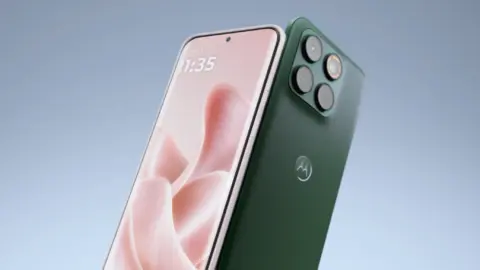
It's got Qi2 wireless charging up to 15W but it's EPP only, no MPP here. Plus, we're looking at a triple camera setup in a square block. And it's got an in-display fingerprint reader for that extra layer of security.
No official word on the price or availability from Motorola yet. But if you're thinking of grabbing one, you'll probably want to sit tight for more info. Certification was done on November 3rd so it's not too far out.
Remember that leak we posted earlier about the Motorola Edge 70 Max? That thing had Snapdragon 8 Gen 5 and Qi2 charging. Seems Motorola's future is all about these sorts of upgrades.
As of now, Motorola hasn't dropped the official launch date or price tag for the Moto One. So we're in the dark about what it'll cost or when it'll hit the shelves. All we've got is certification proof and these cheeky benchmark leaks. You'll have to keep your eyes peeled on official sources to know exactly when and how much it'll set you back.
Source: NotebookCheck


Discussion
0 comments