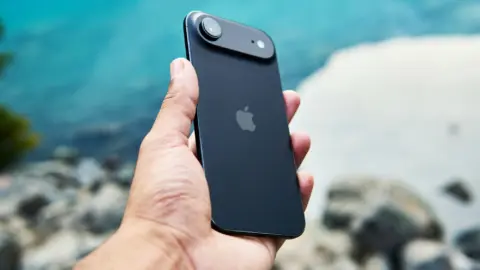
Apple adds a standalone recovery mode to upcoming iOS 27 and iPadOS 27 updates for iPhone and iPad devices. This change allows users to fix software issues without connecting their device to a computer. The new feature addresses situations where the operating system fails to boot properly.
Standalone recovery mode allows iPhone users to fix software errors without connecting to a computer
The update targets all compatible iPhone models running iOS 27 and iPad models on iPadOS 27. Apple designed this recovery environment to operate independently from macOS or Windows computers. Users can access the mode directly through their device interface when standard startup procedures fail.
Booting into recovery mode requires holding the power button past the initial Apple logo appearance. The system then presents several options for troubleshooting and repair. These choices include installing software updates, erasing all data, activating older recovery methods, starting hardware diagnostics, and using a Recovery Assistant tool to fix errors automatically.
The standalone recovery mode enables automatic Wi-Fi connection during the repair process. This connectivity allows devices to download necessary firmware files without external hardware assistance. The feature removes the previous requirement for a Mac or PC to facilitate major system repairs.
Apple expects iOS 27 and iPadOS 27 to release in the fall according to current reports. The specific month and year for the launch remain unconfirmed at this time. Consumers can follow official Apple announcements to learn the exact launch timing once it is confirmed.
This recovery mode represents a shift from previous iPhone repair procedures that relied on external computers. Previous software updates typically needed users to link their hardware to a computer running iTunes or Finder to perform comparable repairs. The new standalone approach simplifies the process for owners dealing with software corruption.
Source: NotebookCheck