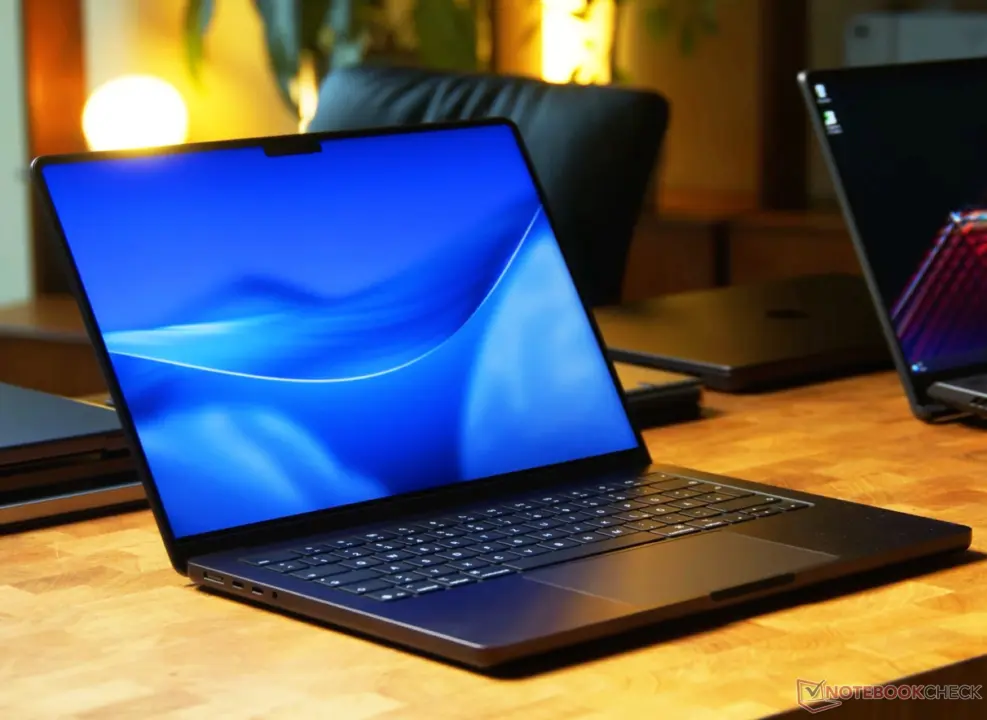
Apple reportedly cancels the M6 Pro and M6 Max chips, a shift that delays the MacBook Ultra launch or forces it to use older silicon. This change matters because buyers expecting a high-performance machine in late 2026 will face a longer wait or a less powerful alternative. The decision reflects Apple's strategy to accelerate AI performance capabilities by skipping a generation of Pro-tier processors.
Apple shifts silicon roadmap to M7 series for 2027
The MacBook Ultra will either launch with the currently available Apple M5 Pro and M5 Max chips or postpone its release until the second half of 2027. Apple focuses its near-term silicon efforts on the standard M6 chip, which remains scheduled for the second half of 2026. This standard chip will feature a faster AI accelerator and higher memory bandwidth of around 200 GB/s, up from 153 GB/s.
- Apple M6 Standard Chip Release: Second half of 2026
- Apple M6 Memory Bandwidth: 200 GB/s
- Apple M6 GPU Cores: 12 cores
- Apple M7 Series Release: First half of 2027
- Apple M7 Pro/Max Release: Second half of 2027
Apple plans to introduce the M7 series in the first half of 2027, bringing significant improvements in AI performance. The M7 Pro and M7 Max chips will follow in the second half of 2027, potentially powering the delayed MacBook Ultra. The fastest Apple M6 chip is expected to offer twelve GPU cores, but it lacks the Pro or Max tier capabilities previously anticipated.
Apple M7 Ultra for the Mac Studio is reportedly not even planned until 2028, indicating a significant gap in the ultra-high-end segment. This timeline suggests that the MacBook Ultra will not see a dedicated next-generation chip until late 2027 at the earliest. Users requiring the highest performance levels must wait for the M7 Pro or Max release to align with the Ultra form factor.
We touched on Apple Mac Studio with M5 Ultra in our earlier Apple coverage, which highlights the current state of Apple's high-end desktop offerings. The MacBook Ultra launch status remains uncertain until Apple confirms whether it will use existing M5 chips or wait for the M7 series. This roadmap adjustment prioritizes AI performance gains over immediate hardware refreshes for the Pro and Max tiers.
Source: NotebookCheck