Intel introduces Project Firefly to build low-cost laptops using smartphone supply chain infrastructure. The initiative targets budget buyers who need reliable machines for daily tasks without paying premium prices. Intel pairs the Wildcat Lake processor with components sourced from mobile device manufacturing lines to keep production costs down.
Project Firefly uses smartphone supply chain infrastructure to build affordable laptops with Wildcat Lake processors and thin metal chassis.
The project centers on Wildcat Lake chips that ship with two performance cores and four efficiency cores. These processors integrate a graphics unit built around two Xe3 cores. The configuration emphasizes routine processing tasks instead of intensive gaming or video editing demands.
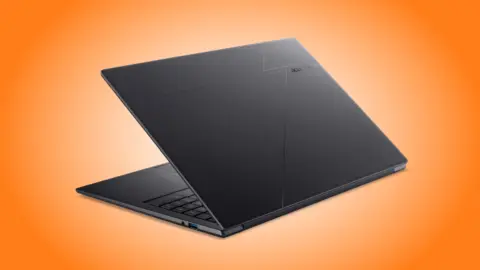
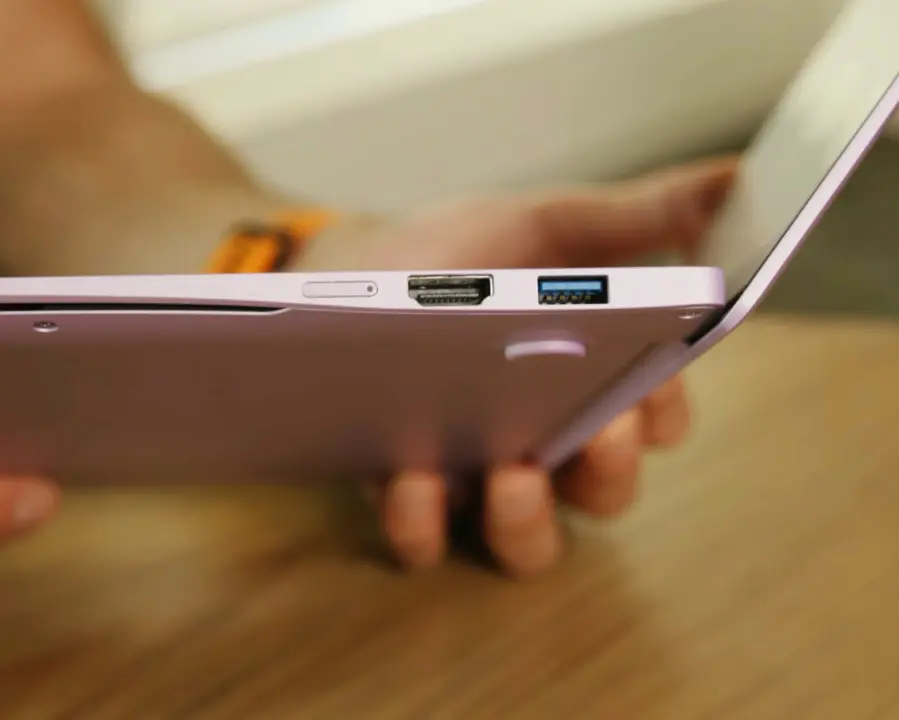
Reference laptops feature 12.9 millimeter thin metal chassis that balance durability with portability. Engineers route connections through cheaper cable assemblies to trim assembly expenses. A practical port selection includes two USB-C connectors, a USB-A slot, and an HDMI output for standard display setups.
Intel claims the chips deliver fast everyday performance for office work and web browsing. The modern GPU architecture ensures video streaming works flawlessly across all major platforms. Memory chips originally intended for smartphones now populate these budget laptops to further reduce costs.
Nish Neelalojanan emphasizes that a cheap processor alone is not enough to make good entry-level laptops. The company pairs the low-cost silicon with thoughtful chassis design and adequate connectivity options. The strategy focuses on providing full functionality instead of offering limited-feature devices.
The cooling system uses thin copper heatpipes instead of bulky traditional solutions. The arrangement conserves internal volume within the slim enclosure to ensure stable heat management under continuous operation. This method aligns with a wider market trend of adapting smartphone production networks to build budget-friendly computers.

Source: NotebookCheck