STEAM PAYDAY: Aces High launches November 5 for $24.99 on SteamVR and Quest STEAM RPG Maker U2U Map Data Created in Free Demo Carries Over to Full Release NINTENDO Zelda Ocarina of Time 3D Switch 2 download size leaks at 27 GB, largest mainline entry GAMES Call of Duty: Modern Warfare 4 Patch 1.110 Fixes Credits Bug but Stucks Some Players in Opening Menu GAMES Kuro Game’s Phantom Blade Zero Hits Xbox Game Pass, Enabling Free Play for Subscribers NVIDIA GTA 5 mod lets you talk to every NPC in cloned voices with under 1 second latency ANDROID Redmi K100 confirmed for October 27 launch with 165Hz display and Snapdragon 8 Elite ACCESSORIES Thanko launches USB-powered heated gaming gloves for around $22 ACCESSORIES Godox A2 brings 1/8,000s sync xenon flash to iPhones for around $85 AMD Lenovo ThinkCentre M75t Gen 6 adds Radeon RX 6400 graphics in Eurozone, UK, and Singapore GAMES Arkham Horror The Card Game Second Season Gets Blood Token Mechanics in New Russia-Exclusive Campaign DLSS Super Meat Boy 3D update adds DLSS and FSR support alongside crossover character GAMES Mass Effect Legendary Edition multiplayer restored by community mod with 66 characters and 19 maps INTEL Xiaomi Redmi Book 16 2027 swaps Core Ultra for Wildcat Lake Core 5 320 for better battery life

Huawei 122TB SSD Uses Die-on-Board Tech to Bypass US Restrictions

Simon Ellis 1 min read

Huawei produces a 122.88TB SSD using proprietary Die-on-Board packaging and domestic NAND, bypassing US restrictions while boosting data center storage density.

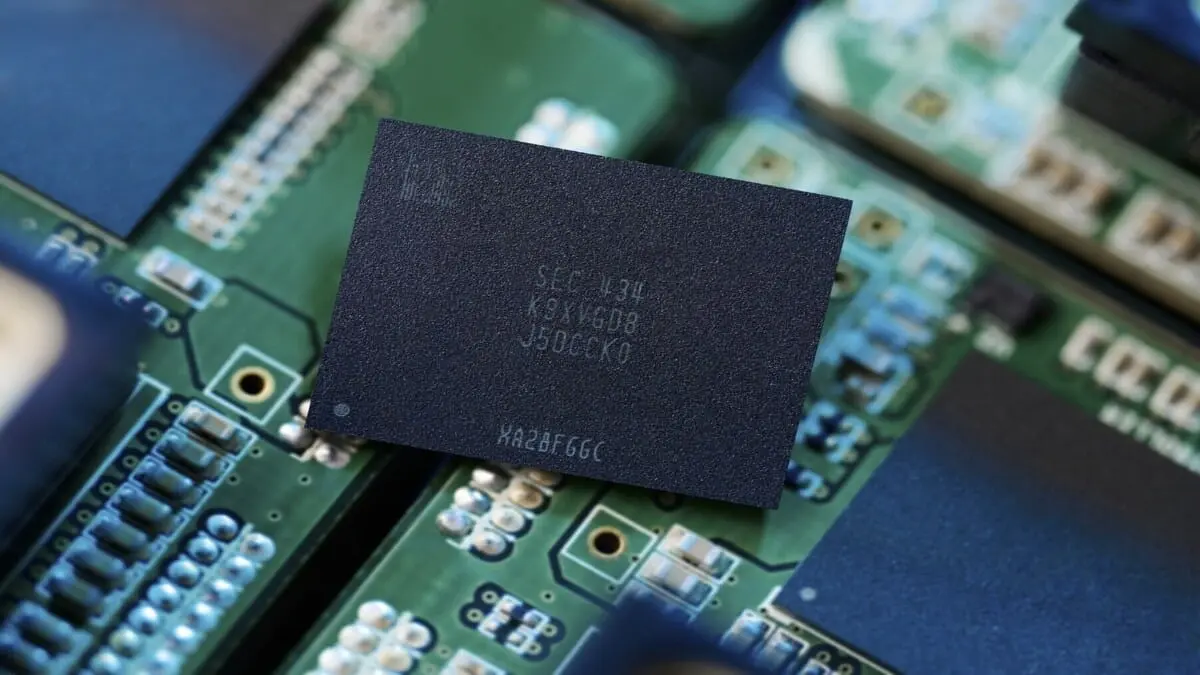
Huawei OceanDisk QLC SSD using Die-on-Board packaging technology
PC HARDWARE

Huawei has produced a 122.88TB solid-state drive using proprietary packaging technology to bypass US semiconductor restrictions. The company deployed the OceanDisk QLC PCIe Gen4 SSDs in its OceanStor Pacific 9926 AFA storage systems. This development marks a shift toward domestic supply chains after previous stockpiles of American components were exhausted.

Proprietary packaging enables higher rack density for enterprise servers

The new drives utilize Chinese-made NAND flash memory and employ a Die-on-Board packaging method. This technique mounts the memory dies directly onto the printed circuit board rather than using traditional TSOP or BGA approaches. The direct mounting creates shorter interconnects between components, which improves both performance and power efficiency compared to older methods.
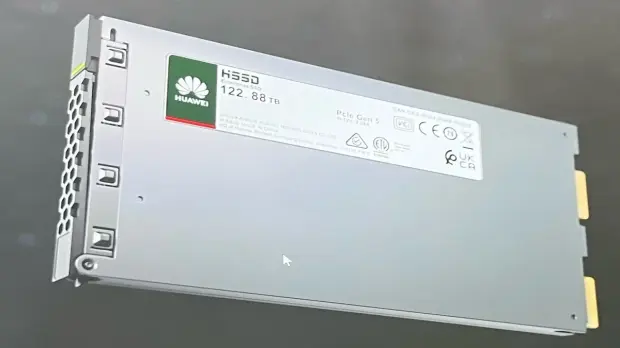
Huawei OceanDisk QLC SSD using Die-on-Board packaging technology

Huawei claims this packaging approach delivers a 33 percent improvement in capacity density over conventional techniques. The company plans to release a future version with 245TB of storage. Current production focuses on meeting enterprise data center demands for higher rack density while navigating export controls.

The exact number of stacked NAND layers remains undisclosed by the manufacturer. Huawei has not released pricing information or specific availability timelines for these drives.

Source: TweakTown